The Eswatini government has failed to pay E200 million it promised to cushion citizens against electricity tariff increases. This commitment, announced by Prime Minister Russell Mmiso Dlamini on March 11, was intended to be channelled through the Eswatini Energy Regulatory Authority (ESERA) and the Eswatini Electricity Company (EEC). The funding would have reduced the latest proposed tariff adjustment by approximately 2.5 percentage points.
The E200 million was earmarked for 2026 and 2027, with E100 million allocated for each year. The money was meant to provide relief over the 2026/27 calendar years, rather than constitute a permanent subsidy to electricity consumers. EEC's General Manager Research and Development Mpumuzi Maziya explained that had the E200 million been made available, the company would have sought an average increase of approximately 16% instead of the proposed 18.38% for 2027/28.
EEC's presentation also reflected E333.5 million in government support yet to be received as part of the company's financial shortfall for the 2025/26 financial year. The presentation placed the company's overall shortfall at E449.7 million, with higher electricity import costs also contributing significantly. The company's financial struggles have raised concerns about the affordability of electricity in Eswatini.
The Nation Editor-in-Chief Bheki Makhubu has challenged the country's power utility over the affordability of electricity, describing the cost of electricity as "ridiculously high". Makhubu questioned what it would take for the country's leaders to recognise the seriousness of the situation and the continued deterioration in affordability. He raised concerns about the reliability of electricity supply and the implications of the proposed increases for future generations.
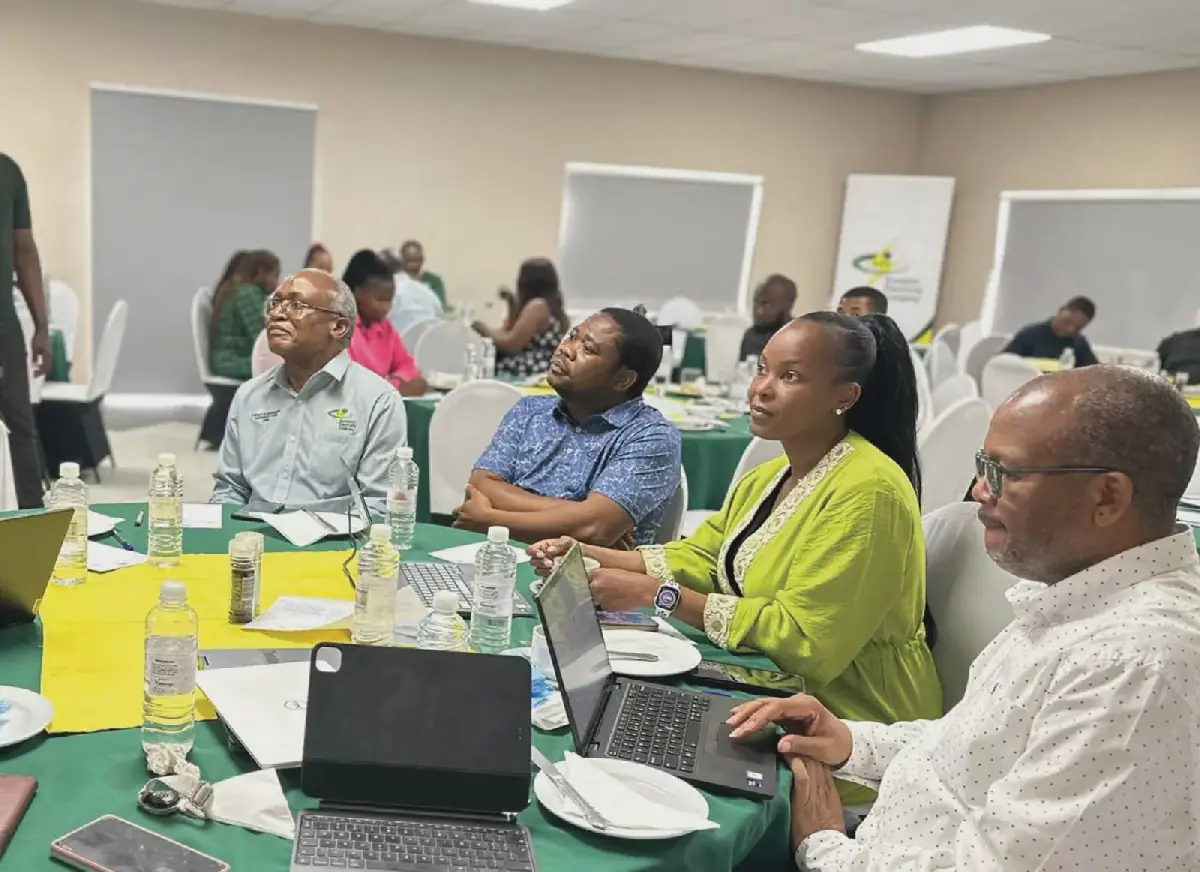
Media editors, including Eswatini Observer acting Managing Director Mbongeni Mbingo, Independent News Editor Mfanasibili Sihlongonyane, and Swazi Mirror Founder and Editor-in-Chief Charles Matsebula, also raised concerns about EEC's financial management, future generation plans, and the impact of electricity costs on businesses. They questioned the company's debt collection measures, taxation of electricity, and proposed thermal power project.
EEC has appointed Candy Stromvig as acting managing director, following her secondment by government to lead the utility while recruitment for a substantive head of the company continues. Stromvig, an experienced energy-sector professional with over 20 years of experience, has prioritised maintaining stability, continuity, and effectiveness during the transition.
EEC is seeking average tariff increases of 18.38% for 2027/28 and 14.68% for 2028/29. The company's financial struggles and proposed tariff increases have significant implications for households and businesses in Eswatini. The Eswatini Editors Forum Secretary General Jabu Matsebula sought an update on EEC's proposed thermal power project, which could potentially generate surplus electricity and supply neighbouring countries.
Key points
- The Eswatini government has not paid E200 million promised to reduce electricity tariff increases.
- EEC is seeking average tariff increases of 18.38% for 2027/28 and 14.68% for 2028/29.
- The country's power utility faces significant financial struggles, including a shortfall of E449.7 million.
Reporting sources
- Govt yet to pay E200m promised to cushion electricity consumers · Swazi Observer