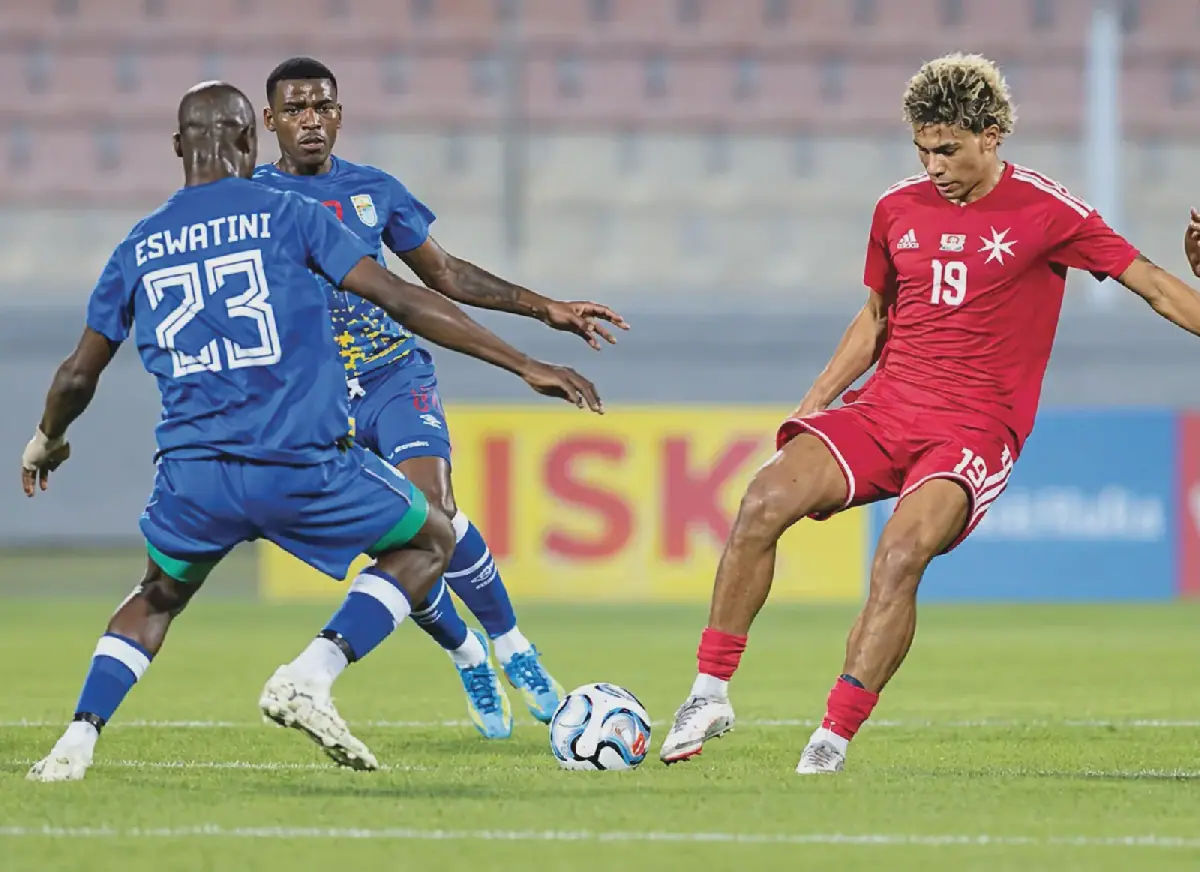
The Eswatini Football Association (EFA) has been commended for organizing two international friendly matches for the senior men's national team, Sihlangu Semnikati, against Malta and Suriname. These matches were historic, marking the first time Sihlangu had competed against European opposition. The friendlies provided Eswatini football with much-needed exposure to different football cultures, playing styles, and levels of competition. The EFA's efforts to arrange these encounters have been recognized, as such opportunities do not come around often for Eswatini.
The first match against Malta ended in a 1-1 draw, a memorable moment in Eswatini's football history. Sihlangu's performance was encouraging, demonstrating that the team can compete at an international level when given the right platform. The players showed determination, confidence, and a willingness to compete, making a good case for a potential win. Philani Mkhonto's achievement of scoring his first international goal on European soil was another highlight of the match.
In contrast, the second match against Suriname presented a different challenge, with Sihlangu suffering a 4-0 defeat. Although the result was disappointing, the match exposed areas where the players need to improve. The encounter provided a reality check and an opportunity for the team to understand where they stand in comparison with other nations. Football development is not only about winning matches but also about identifying weaknesses and learning what is required to compete at a higher level.
The two matches offered Sihlangu different footballing experiences, with Malta providing an opportunity to compete and believe, while Suriname presented a stern examination of their tactical awareness, organization, and overall competitiveness. The EFA's initiative has been praised, as these kinds of international assignments can inspire players, broaden their understanding of the game, and expose them to new dimensions of football.
There has been discussion surrounding the financial motivation behind organizing these matches, particularly the FIFA grant of E1.8 million linked to member associations meeting the requirement of playing at least four international matches in a year. Having already played Eritrea twice earlier this year, these two fixtures brought Sihlangu's tally to four matches, making the association eligible for the grant.
Despite the financial aspect, the focus should be on the benefits gained by the national team from the exposure. For years, Sihlangu has repeatedly faced familiar opposition in friendly matches, and venturing beyond their comfort zone is essential for growth. The EFA has demonstrated that this is possible, and the challenge now is to make it a consistent practice rather than a one-off achievement.
The appointment of a substantive coach should be handled with urgency to ensure continuity and provide the team with direction, stability, and a clear technical vision going forward. Nevertheless, the EFA deserves applause for taking the initiative to organize these historic international friendlies, which can have a lasting impact on Eswatini football.
Key points
- EFA organized historic international friendlies for Sihlangu Semnikati against Malta and Suriname.
- The friendlies provided Sihlangu with exposure to different football cultures and styles.
- EFA's initiative has been praised, but the association must maintain momentum and organize more matches against international opponents.
Reporting sources
- Bravo for taking Sihlangu beyond familiar territory · Swazi Observer