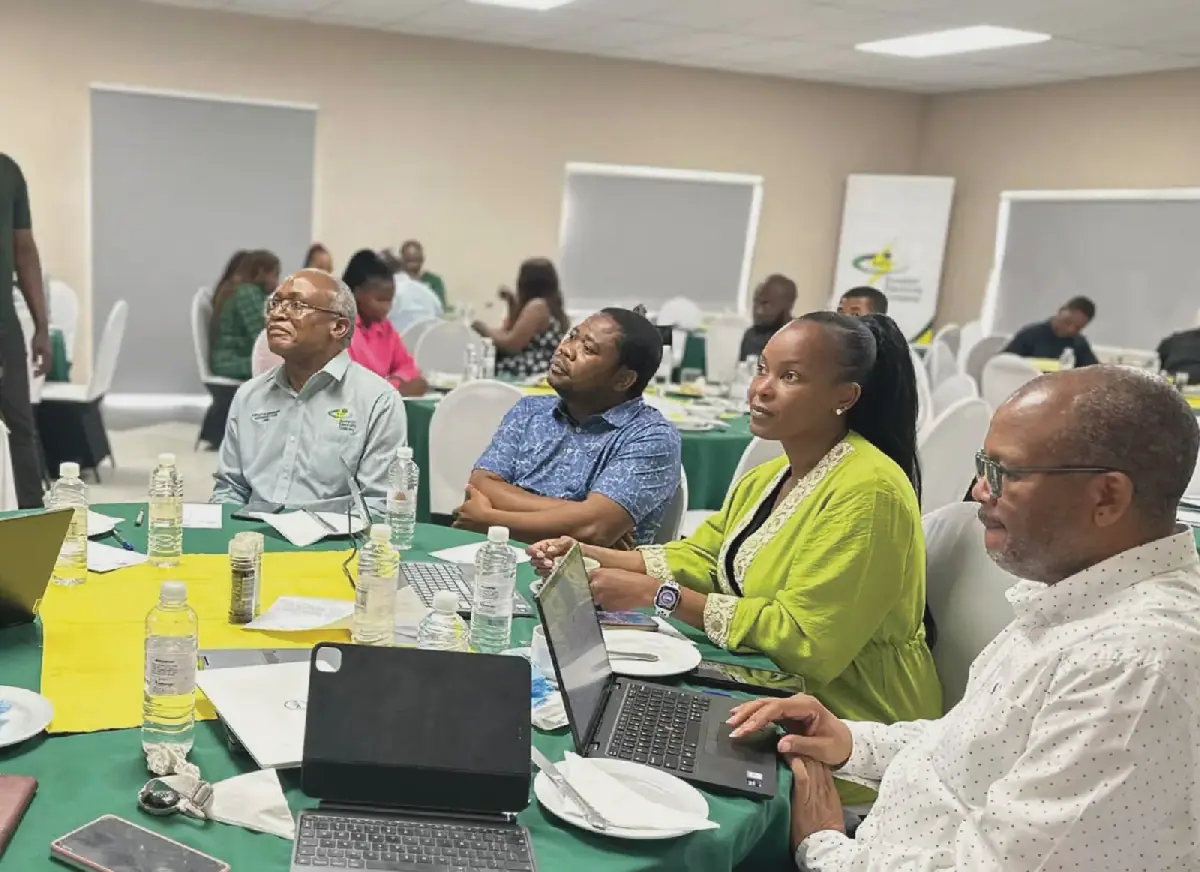
The Eswatini Electricity Company (EEC) and the Eswatini Energy Regulatory Authority (ESERA) have started public consultations on a proposed electricity tariff hike. EEC is seeking an 18.38% increase from April 2027 and a further 14% from April 2028. The public hearings aim to gather feedback from consumers on the proposed price increase, which has sparked concerns over affordability. Many Eswatini residents are already struggling to pay their electricity bills, and the proposed hike has raised fears of further financial hardship.
The EEC's tariff application is based on its costs of supplying electricity, including its wage bill and the cost of importing power from Eskom. The regulator, ESERA, will consider the EEC's application and make a decision based on its methodology. However, the government has previously intervened in the tariff-setting process, and it is unclear whether this will happen again. In the past, the government has provided financial support to cushion the impact of tariff hikes on consumers.
Consumers have expressed concerns that the public hearings are an exercise in futility, as the outcome is often predetermined. They argue that the regulator's decision can be overridden by the government, which has happened in the past. This has led to skepticism about the effectiveness of the public consultation process. Some consumers have also questioned who is accountable for the government's decision on the tariff hike.
The Eswatini government has previously provided E200 million to cushion the impact of tariff hikes on consumers. However, it is unclear how this support was used and whether it was paid immediately. Some argue that the delay in providing support only pushed the cost further onto consumers. The government has promised to provide support to mitigate the impact of the proposed tariff hike.
Eswatini has relied heavily on imported power from Eskom for many years. The country has struggled to generate its own electricity, despite plans to increase domestic power generation. The Mpaka coal mine project, which could help increase domestic power generation, is still in development. The country's reliance on imported power has contributed to the high cost of electricity.
Consumers have been urged to provide feedback on the proposed tariff hike, including the impact on their budgets and livelihoods. The public hearings will also provide an opportunity for consumers to suggest alternative solutions to the proposed tariff hike. ESERA has promised to consider all feedback and make a decision based on the evidence presented.
The outcome of the public consultations and the regulator's decision on the tariff hike will have significant implications for Eswatini's economy and households. A high tariff hike could lead to increased financial hardship for households, while a low tariff hike could impact the financial sustainability of the EEC. The government and regulator will need to balance these competing interests when making their decisions.
Key points
- EEC seeks 18.38% tariff increase from April 2027 and 14% from April 2028.
- Government provided E200 million to cushion impact of previous tariff hike.
- Eswatini relies heavily on imported power from Eskom.
Reporting sources
- An exercise in make-believe · Swazi Observer