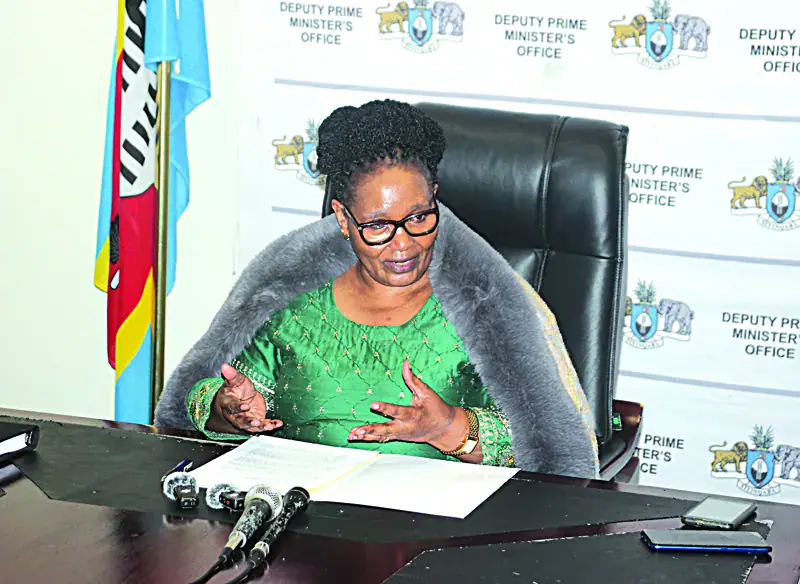
Deputy Prime Minister Thuli Dladla of Eswatini has made an urgent appeal for collective assistance as the country grapples with the worsening effects of El Niño. She emphasized that no one should die from drought while others have the means to provide help. Dladla's call to action comes as the reality of El Niño's impact is now visible across communities, with some areas experiencing severe drought conditions. The Deputy Prime Minister noted that despite warnings, not everyone took necessary precautions.
According to Dladla, some individuals heeded the warnings and prepared for the drought by setting aside resources, while others did not take the forecasts seriously. She acknowledged that people respond differently to information and warnings. The government, however, will continue to assist those struggling due to the difficult conditions, assuring vulnerable communities that they will not be abandoned. Dladla's remarks highlight the need for a collective response to mitigate the effects of El Niño.
The recent rainfall in Eswatini has been limited, with brief showers providing little relief to communities battling prolonged dry conditions. Dladla expressed concern that the rainfall lasted only a few minutes, and in some instances, hail was experienced instead of sustained rainfall. These conditions have offered little respite to those affected by the drought. The Deputy Prime Minister also noted that the short periods of rain have often been followed by extended periods of extreme heat.
The effects of El Niño should not be used as an excuse for society to overlook those in need, Dladla stressed. She called on individuals, businesses, organizations, and other stakeholders who are able to help to continue supporting affected families. The government alone cannot meet every need created by the drought, and collective action remains crucial in protecting vulnerable communities. Dladla emphasized the country's responsibility to ensure that those struggling have access to assistance.
Dladla noted that although some households had prepared after receiving early warnings, those who were unable to prepare should not be left to face the consequences alone. The government will continue to monitor the situation and assist communities where possible, while appealing to those with the means to contribute to the national response. The Deputy Prime Minister's appeal highlights the need for a coordinated effort to address the impact of El Niño.
The situation in Eswatini remains critical, with the effects of El Niño continuing to intensify. Dladla's remarks underscore the importance of collective action in mitigating the impact of the drought. The government is working to provide assistance to vulnerable communities, but more needs to be done to address the scale of the crisis. The Deputy Prime Minister's call to action is a reminder that everyone has a role to play in supporting those affected.
As the situation continues to unfold, the government and other stakeholders must work together to provide relief to those affected by El Niño. Dladla's appeal for collective assistance is a timely reminder of the need for a unified response to the crisis. The country's response to the drought will depend on the ability of individuals, businesses, and organizations to come together and provide support to those in need.
Key points
- Deputy Prime Minister Thuli Dladla urges collective action to mitigate the effects of El Niño in Eswatini.
- The government will continue to assist those struggling due to the drought, but collective action is necessary to address the scale of the crisis.
- Limited rainfall and extreme heat have exacerbated the impact of El Niño in Eswatini.