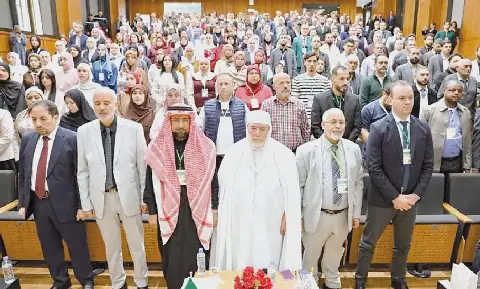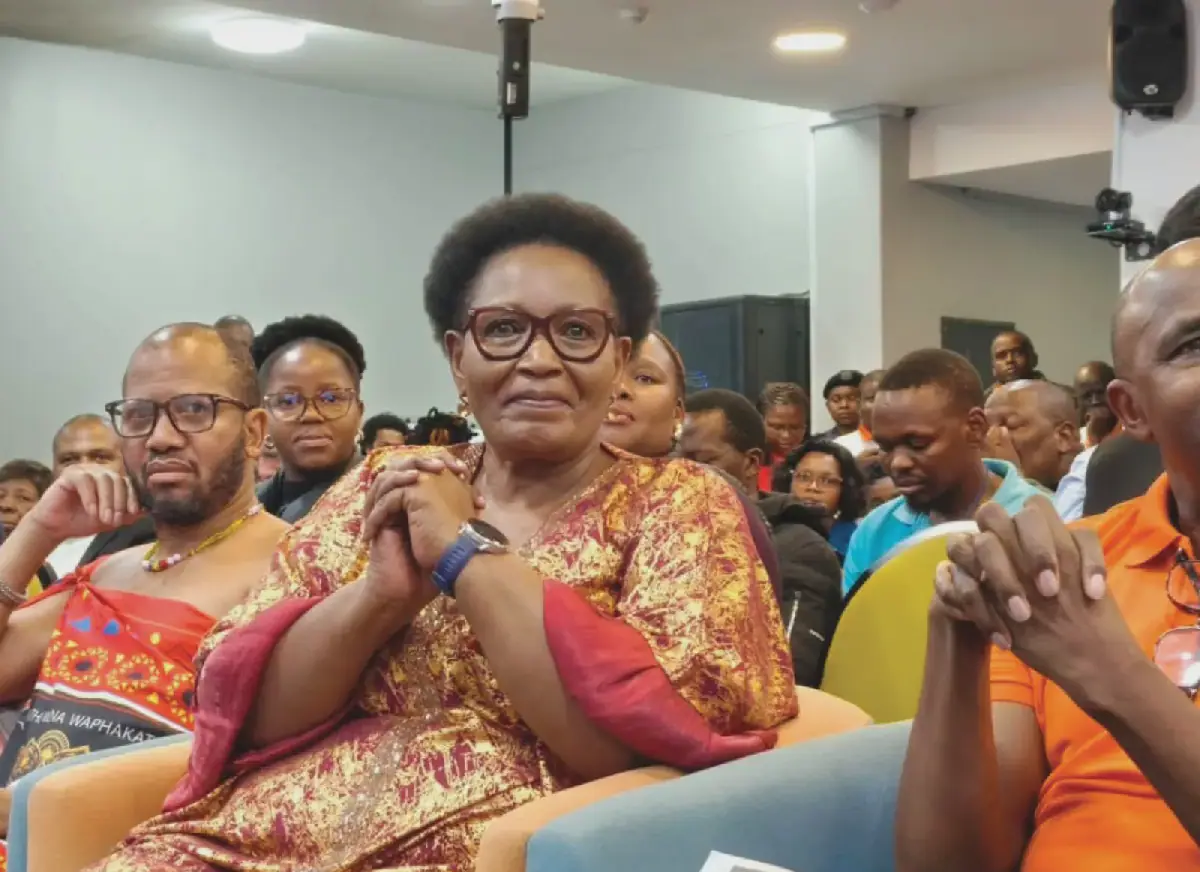
The Deputy Prime Minister of Eswatini, Thuli Dladla, has disclosed that a significant majority of gender-based violence (GBV) cases in the country occur within households. According to Dladla, 71.8% of reported GBV cases take place at home, a statistic that highlights the urgent need for government and communities to address the root causes of violence. This revelation was made during the launch of the 16 Days of Activism Against Gender-Based Violence campaign.
Between January and June, a total of 10,577 GBV cases were recorded in Eswatini, with women and girls accounting for 68% of the victims and men and boys making up 32%. Dladla emphasized that these figures represent real people and families suffering, warning against society becoming desensitized to reports of violence. She stressed that the statistics point to a breakdown of family structures and values, which must be addressed to prevent GBV.
Dladla argued that preventing GBV requires a collaborative effort from government, communities, civil society, and the private sector. She called for stronger parenting and family values, as well as a focus on preventing violations of people's rights rather than waiting until perpetrators appear in court. The Deputy Prime Minister also highlighted the growing concern of online GBV, including cyberstalking, harassment, and the non-consensual sharing of intimate images.
The launch of the 16 Days of Activism Against Gender-Based Violence campaign aims to raise awareness and mobilize efforts to prevent GBV in Eswatini. Dladla urged Emaswati to sustain their efforts beyond the 16-day campaign, emphasizing that preventing violence must become a year-round responsibility. She encouraged everyone to work together to create a safer and more supportive environment for all.
The Deputy Prime Minister's remarks underscore the need for a comprehensive approach to addressing GBV in Eswatini. This includes addressing the root causes of violence, providing support to victims, and holding perpetrators accountable. By working together, the government and communities can help prevent GBV and create a safer environment for all.
The statistics revealed by Dladla highlight the need for increased awareness and education about GBV. By understanding the causes and consequences of GBV, Emaswati can work towards creating a culture that promotes respect, equality, and dignity for all. This requires a sustained effort from all sectors of society, including government, civil society, and the private sector.
As Eswatini continues to grapple with the challenges of GBV, Dladla's call to action serves as a reminder that preventing violence requires a collective effort. By working together and taking a comprehensive approach, the country can make progress towards reducing GBV and creating a safer and more supportive environment for all.
Key points
- 71.8% of GBV cases in Eswatini occur at home.
- 10,577 GBV cases were recorded in Eswatini between January and June.
- Women and girls account for 68% of GBV victims in Eswatini.
Reporting sources
- DPM: 71.8% of GBV cases happen at home · Swazi Observer