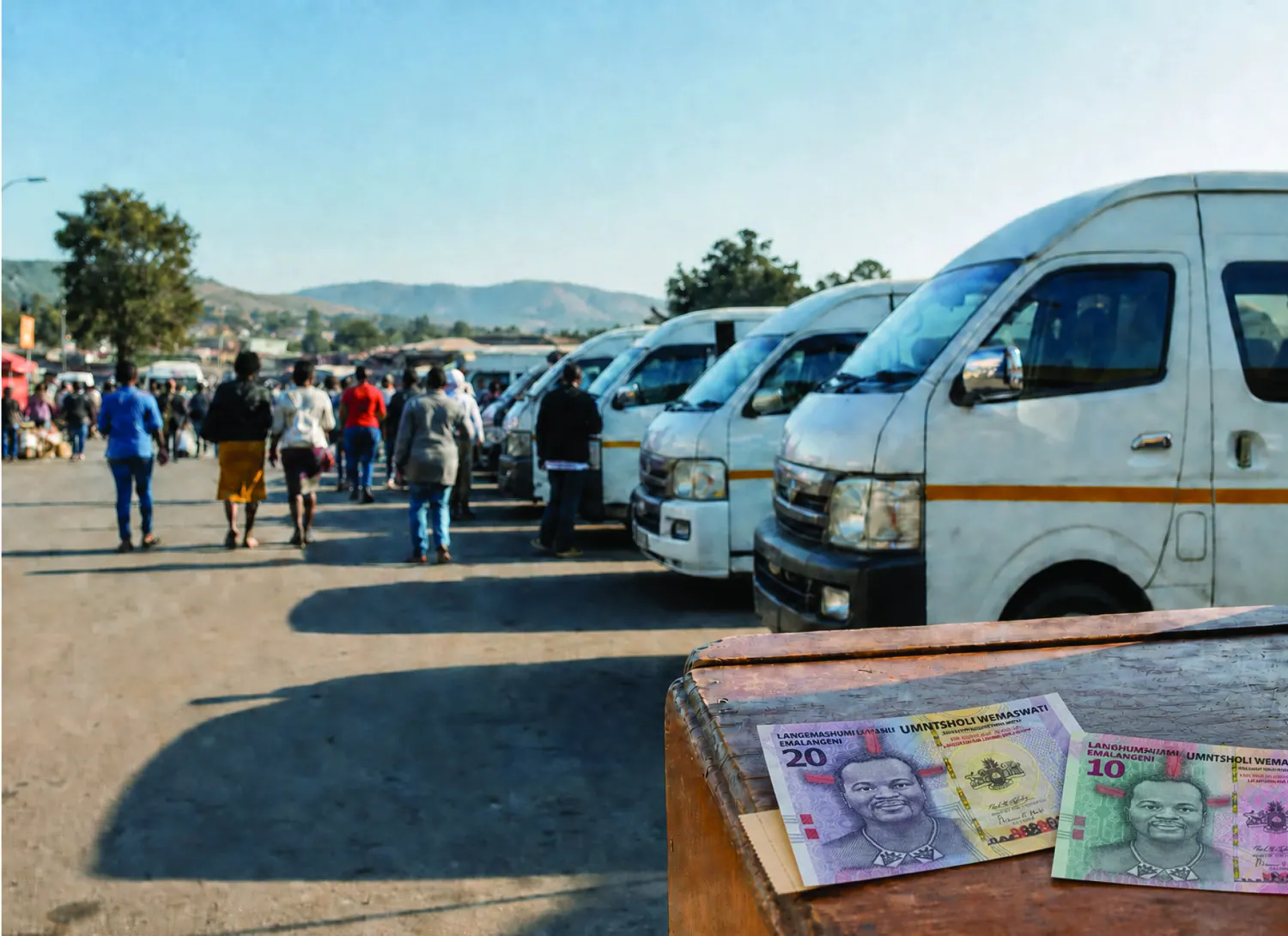
Commuters in Eswatini may soon face higher bus fares, as a parliamentary committee has recommended a 25% increase for journeys of up to 8km. The proposed hike is part of the committee's report on the Maximum Bus and Taxi Fares (Amendment) Regulations, 2026. If adopted, the new fares will see the maximum bus and taxi fare for the first 8km rise from E10 to E12.50. This change aims to address the financial pressures facing transport operators.
The committee's recommendations follow consultations with various stakeholders, including the Ministry of Public Works and Transport, the National Road Transport Council (NRTC), consumer representatives, and the portfolio committee. Initially, the transport industry proposed a 50% fare increase, citing rising fuel and operating costs. However, the ministry proposed a lower adjustment, which was later accepted by the committee. The new fare structure seeks to balance the financial needs of transport operators with commuters' ability to pay.
Under the proposed tariff structure, fares for longer distances will also increase. Journeys exceeding 8km but not more than 50km will rise from 70 cents to 77 cents per kilometer, while journeys exceeding 50km will increase from 66 cents to 72.60 cents per kilometer. The ministry cited rising fuel prices as a major factor in the review, with unleaded petrol 95 increasing from E19.45 per liter in February 2026 to E25.27 in May. Diesel prices also surged from E19.85 per liter in February to E31.60 in May.
The recommended fare increases will affect various routes in Eswatini. A 37km trip between Mbabane and Manzini via the MR103 will increase from E30.30 to E44.40, while a 41km trip between Mbabane and Manzini via the MR3 will rise from E33.10 to E48.80. Other routes, such as Manzini to Mankayane and Mbabane to Pigg's Peak, will also see fare increases. The committee acknowledged concerns about the impact of higher fares on low-income earners and elderly people.
During deliberations, committee members questioned the ministry on overtrading, permit rentals, and the number of public transport permits issued. The ministry acknowledged that overtrading remained a challenge, particularly on routes linking major urban centers. To address this issue, the Road Transportation Board has been engaged to finalize recommendations. The ministry also plans to introduce a Road Transport Permit Management System to link vehicle owners with permit holders.
The ministry has assured that future fare reviews will no longer be directly linked to fuel price increases. Instead, it plans to develop a scientific bus fare model that considers a range of operational costs incurred by transport operators. The NRTC has requested government financing for a consultancy to develop the proposed model. The Consumer Association has raised concerns about the burden of higher fares on commuters and called for tighter control over public transport permits.
The committee has recommended that Parliament adopt its report on the Maximum Bus and Taxi Fares Regulations, 2026, along with the proposed amendments. If adopted, the new fare structure will come into effect, providing relief to transport operators while protecting commuters from excessive increases. The recommendations aim to ensure the sustainability of public transport operations in Eswatini.
Key points
- A 25% increase in bus fares for journeys up to 8km has been recommended by a parliamentary committee in Eswatini.
- The new fare structure aims to balance the financial pressures facing transport operators with commuters' ability to pay.
- Future fare reviews will be based on a scientific bus fare model, rather than direct links to fuel price increases.