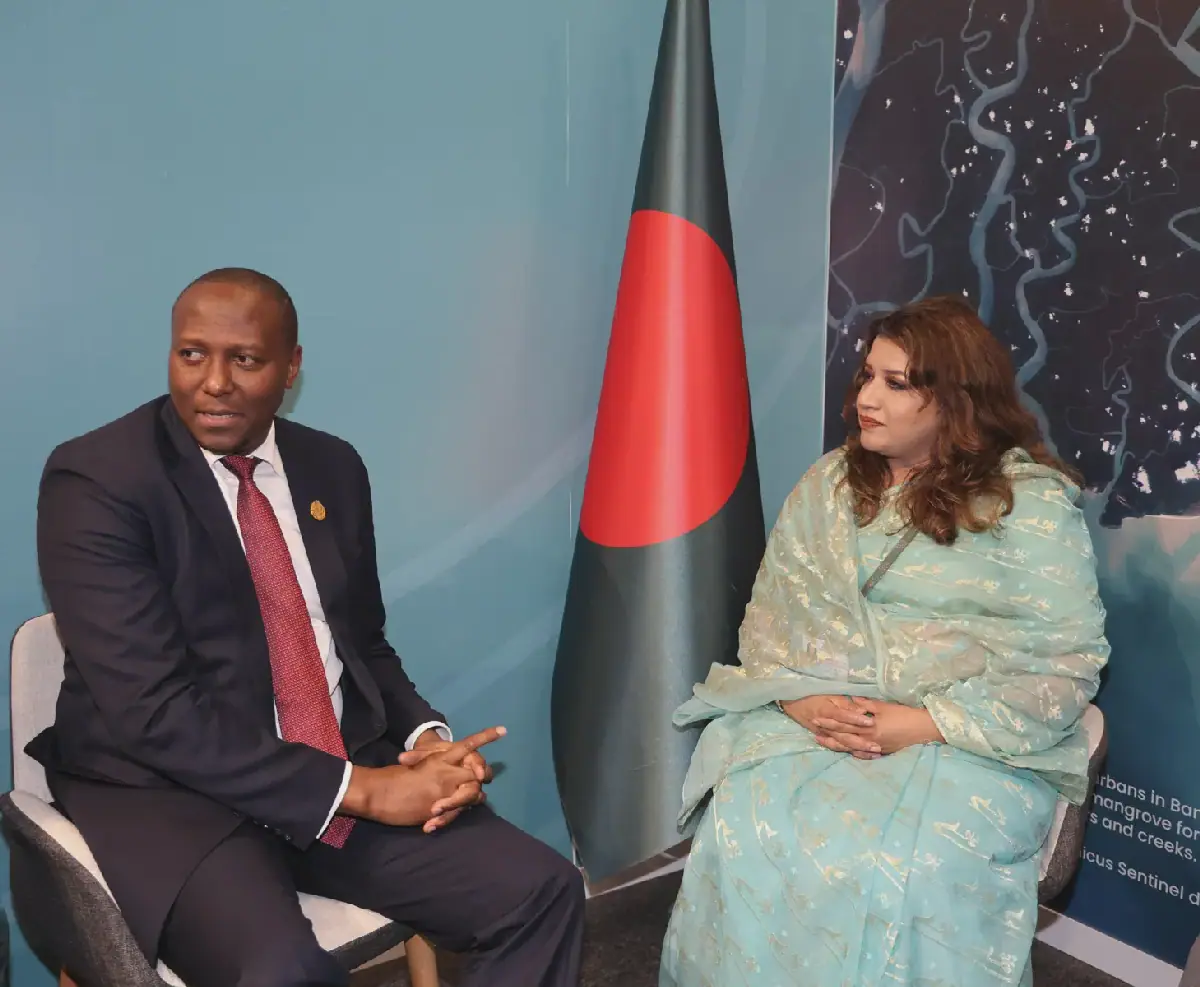
Eswatini and Bangladesh are strengthening bilateral relations, focusing on trade, investment, industrial development, and climate change cooperation. Prime Minister Russell Mmiso Dlamini met with Bangladesh's State Minister for Foreign Affairs, Shama Obaed, on the sidelines of the 31st Conference of the Parties (COP31) in Antalya, Türkiye. The meeting identified areas of mutual interest and cooperation in addressing shared development and environmental challenges.
The discussion highlighted the potential of jute as a sustainable alternative to plastic. Jute can be processed into various products, including clothing, bags, and consumer goods, offering opportunities for industrial development and investment. Both countries recognised the potential for knowledge exchange, technology transfer, and investment in the jute sector, particularly as countries seek environmentally friendly alternatives to conventional plastic products.
Climate change was a prominent topic in the discussions, with both countries acknowledging the common challenges posed by floods and droughts. They emphasised the importance of sharing experiences, technical knowledge, and innovative approaches to strengthen climate resilience and improve their capacity to respond to environmental pressures. This exchange aims to enhance their ability to address environmental challenges.
Electronic waste management was another area identified for possible cooperation. Discussions highlighted the need to develop sustainable solutions for handling the growing environmental challenge associated with discarded electronic equipment. This cooperation can help both countries address the environmental impact of electronic waste.
Prime Minister Dlamini outlined Eswatini's efforts to achieve greater energy independence, stressing the importance of strengthening national energy security and pursuing sustainable energy solutions. This effort is part of Eswatini's diplomatic and economic outreach at COP31, where climate discussions are creating opportunities for countries to build partnerships that support investment, technology transfer, and sustainable development.
The meeting was also attended by Dr Saimum Parvez, Special Assistant to the Prime Minister of Bangladesh on Environment and Climate Change. The engagement forms part of Eswatini's efforts to build partnerships that support sustainable development and address shared environmental challenges. Both countries are exploring ways to deepen their cooperation in various areas.
The discussions between Eswatini and Bangladesh demonstrate the potential for cooperation on trade, investment, and environmental issues. Key areas of cooperation include the jute sector, climate change, and electronic waste management. These partnerships can support sustainable development and address shared environmental challenges.
Key points
- Eswatini and Bangladesh discuss cooperation on jute as a sustainable alternative to plastic.
- Both countries emphasise the importance of sharing experiences and technical knowledge on climate change.
- Electronic waste management is another area identified for possible cooperation between the two countries.
Reporting sources
- Eswatini, Bangladesh explore trade and investment opportunities · swazidailynews.com