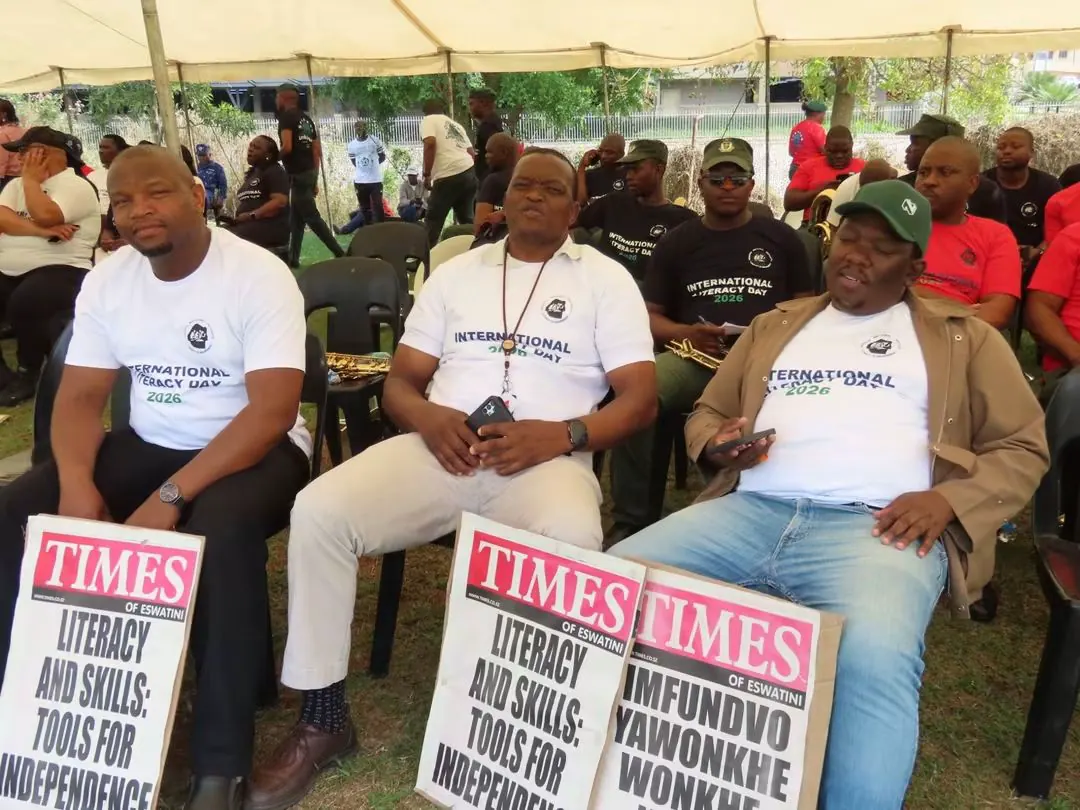
Eswatini has reached a significant milestone with a literacy rate of around 90 percent, according to Ministry of Education and Training Principal Secretary Nanikie Mnisi. This achievement is attributed to initiatives such as Free Primary Education and Orphans and Vulnerable Children (OVC) grants. Mnisi made these remarks at Millennium Park in Manzini during the 60th global commemoration of International Literacy Day. The country dedicates the entire month to engaging practitioners, policymakers, and the public to build a more literate community.
International Literacy Day, globally observed on September 8, is commemorated throughout the month in Eswatini. The goal is to create a more literate, peaceful, just, and sustainable community for all Emaswati. Mnisi emphasized that the 90 percent literacy rate marks significant progress, driven by sustained government investment in access to education. The Free Primary Education initiative has enabled thousands of children to enter and remain in school, while OVC grants support vulnerable learners.
Despite national gains, Mnisi highlighted critical challenges that remain. Globally, over 739 million youth and adults still lack basic literacy skills. Locally, the 2022 Multiple Indicator Cluster Survey (MICS) reveals gaps in early grade reading and mathematics among lower primary learners. Mnisi stressed that the survey shows there is still work to be done at the foundation level to address these learning gaps.
The Ministry of Education and Training continues to intervene to bridge these learning gaps through targeted solutions. These include rolling out Grade 0 across all primary schools to ensure children enter formal schooling with school readiness skills. Additionally, the ministry supports Early Grade Reading and Mathematics Assessments through World Bank and Global Partnership for Education funded projects. These interventions aim to identify learning gaps early and provide support before learners progress to higher grades.
Mnisi emphasized that literacy is more than the ability to read and write; it is a foundation for learning, employment, and participation in society. It is also crucial for building a just and sustainable nation. This year’s commemoration, marking 60 years since the first International Literacy Day, provides an opportunity to reflect on progress and renew commitment to reaching those still left behind.
The government is concerned about learners who struggle to read with comprehension and do basic mathematics in early grades. Weak foundation skills affect performance across all subjects and increase the risk of repetition and dropout. The rollout of Grade 0 is expected to improve school readiness, especially for children from disadvantaged backgrounds who may not have access to private pre-school.
The Early Grade Reading and Mathematics Assessments, supported by the World Bank and GPE, will help teachers measure learning and adjust instruction to meet learners’ needs. Mnisi extended her gratitude to partners and stakeholders for their support in achieving the 90 percent literacy rate. The government remains committed to addressing the remaining challenges and building a more literate community for all Emaswati.
Key points
- Eswatini achieves 90% literacy rate driven by initiatives like Free Primary Education and OVC grants.
- Early grade reading and mathematics gaps persist, highlighted by the 2022 MICS.
- The government intervenes with targeted solutions, including Grade 0 rollout and Early Grade Reading and Mathematics Assessments.