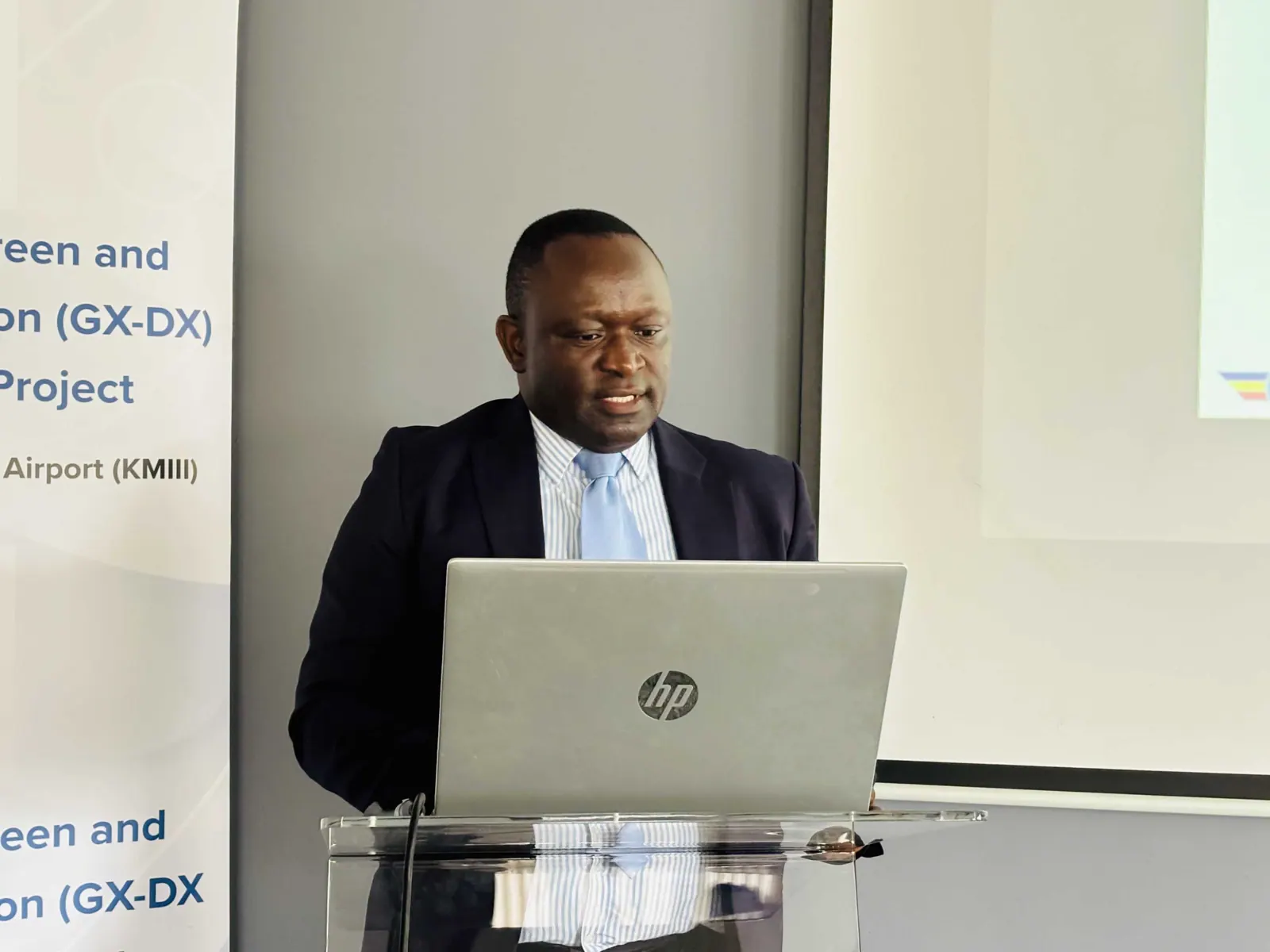
The Eswatini Civil Aviation Authority (ESWACAA) has set an ambitious target to attract E12 billion in investment and create 20,000 jobs by 2037. This forms part of its proposed Inclusive Business Development Strategy Framework, which aims to transform King Mswati III International Airport into a regional economic hub. The strategy was presented by ESWACAA Business Development Manager Richard Dlamini during the King Mswati III International Airport Business Forum.
The strategy seeks to move the airport beyond its traditional role as an aviation facility and position it as 'Southern Africa's leading integrated aviation economic hub.' Under the framework, ESWACAA envisages attracting E12 billion in investment through the Special Economic Zone (SEZ) and Airport City, while creating 20,000 direct and indirect jobs by 2037. The authority also expects the airport to handle 1.2 million passengers annually, with non-aeronautical revenue accounting for 65% of total revenue.
The strategy targets 100% renewable electricity for airport operations and local small and medium enterprise procurement accounting for 40% of addressable spending. Dlamini's presentation framed the strategy around a fundamental shift in the way airports are viewed. ESWACAA says airports are no longer simply transport facilities, but economic engines capable of driving investment, industrialisation, tourism, trade, innovation and employment.
The proposed transformation would move KMIII from a traditional regulator and airport operator towards a commercially sustainable aviation enterprise, while reducing dependence on aeronautical revenues such as landing fees, passenger charges and aircraft handling. Instead, the strategy seeks to develop diversified non-aeronautical income streams. These include commercial property, an Airport City, retail, hospitality, parking, advertising and renewable energy.
The strategy identifies six broad themes: Commercial excellence, sustainability, infrastructure development, partnerships, innovation and inclusive economic development. At the centre of the framework are eight strategic pillars designed to provide the structure for the transformation. The first is commercial sustainability, through diversified revenue streams that reduce dependence on regulated aviation charges.
The remaining four pillars focus on the capabilities needed to make the vision operational. These are operational excellence, infrastructure development, strategic partnerships and institutional excellence. Infrastructure priorities identified in the strategy include an Airport City, cargo village, solar farms, hotels, a sanitary landfill, business parks and an aviation academy.
The King Mswati III International Airport Business Forum was held at Business Eswatini offices, where the strategy was presented to stakeholders. The ESWACAA Business Development Manager Richard Dlamini presented the strategy, outlining the authority's vision for the airport's transformation. The strategy aims to drive economic growth and development in Eswatini.
Key points
- ESWACAA targets E12 billion in investment and 20,000 jobs by 2037
- King Mswati III International Airport to be transformed into a regional economic hub
- Strategy includes 100% renewable electricity and 40% local SME procurement