Estuary management forums, established under South Africa's Integrated Coastal Management Act, play a vital role in monitoring environmental degradation and pressuring municipalities to take action. These civic groups, however, lack direct enforcement powers. The forums serve as official public stakeholder platforms under national coastal legislation to advise authorities and monitor waterways. They are crucial in addressing systemic sewage pollution, vandalism, and municipal inertia threatening critical waterways like the Qinira Estuary.
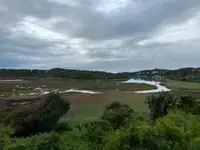
The Qinira Estuary is classified as vulnerable and poorly protected, suffering from acute pressures including failing sewage infrastructure, dumping, and alien plant infestation. Conservation experts emphasize that active civil society resistance and court oversight are critical to hold local government accountable and avert ecological collapse. The estuary management plan for Qinira was submitted to the Eastern Cape department of economic development, environmental affairs and tourism in 2022 and approved in 2023.
Estuary management forums, such as the Qinira Estuary Management Forum, are set up in terms of the National Environmental Management: Integrated Coastal Management Act of 2008. They provide public perceptions and information to the authorities. In 2021, the National Estuarine Management Protocol clarified that the forums are informal additional advisory bodies that can help implement project plans from estuarine management plans and support ongoing stakeholder engagement.
Despite their importance, critics argue that official coastal committees often function as talk shops while local municipalities fail to allocate sufficient funds for crucial wastewater repairs. Green Ripple spokesperson Dr. Div de Villiers stated that the metro is reluctant to act on environmental disasters caused by its own failure to find funds to do the obvious upgrades, repairs, and secure the system.
The forums can craft maintenance plans and seek judicial interventions, but all formal statutory enforcement powers remain strictly with municipal, provincial, and national authorities. The Qinira Estuary Management Forum’s estuary mouth maintenance plan is valid for 10 years until 2033 and is up for review in 2028. The forums also advocate for environmental protection by raising awareness and contributing to monitoring.
In the face of a lack of municipal finance and response, local marine ecologist Dr. Peter Fielding believed civil society had to be engaged as a practical solution. He argued that municipal sewerage infrastructure repair and maintenance plans must adhere to estuary management plans. The South African National Biodiversity Institute states that the Qinira ecosystem’s threat status estuarine data is “vulnerable”, its ecological condition is “near natural” but its level of protection is assessed to be “poorly protected”.
Experts argue that persistent civil society mobilisation remains the last line of defence against ecological collapse. Dr. de Villiers encouraged all members of the public to build a common resistance to environmental destruction, emphasizing that efforts from across all rivers, organisations, and individuals are the solution to force elected leaders to spend tax rands in a development plan or special infrastructure grant ring-fenced towards saving the ecosystem from ecological and social collapse.
Key points
- Estuary management forums in South Africa lack enforcement powers despite their crucial role in protecting vulnerable coastal ecosystems.
- The Qinira Estuary is classified as vulnerable and poorly protected due to failing sewage infrastructure, dumping, and alien plant infestation.
- Persistent civil society mobilisation is necessary to hold local government accountable and prevent ecological collapse.
Reporting sources
- How estuary management forums work to protect vulnerable waterways · Daily Dispatch