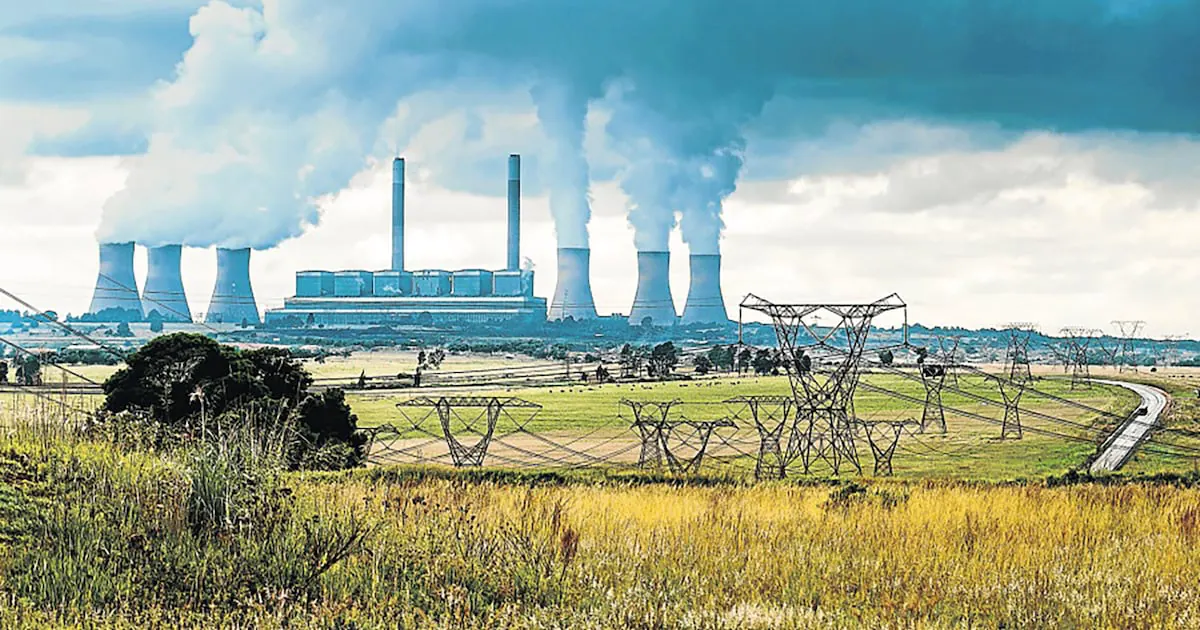
Eskom, South Africa's primary electricity supplier, has significantly reduced its diesel spending by nearly 81% since the steep fuel price increases in April 2026. The utility's expenditure on diesel dropped from R5.93bn to R1.13bn between April 1 and September 17, compared to the same period last year. This reduction is attributed to the higher availability of coal-fired power stations and a decrease in the use of open-cycle gas turbines (OCGTs) during periods of strain.
The reduction in diesel consumption is a result of Eskom's efforts to limit its exposure to rising fuel costs. Group CEO Dan Marokane stated that consumption had been reduced drastically due to improved coal-fired power station availability. Eskom aims to sustain low diesel usage levels to mitigate the impact of increasing fuel prices. The company's strategy is crucial in stabilizing the grid during periods of high demand.
The global oil supply has been affected by the US war against Iran, leading to a surge in fuel prices. Since the Middle East conflict broke out in late February, the wholesale price of diesel has increased by more than 58% to R29.31 per liter. This price hike has significant implications for Eskom's operations and the overall energy sector in South Africa.
Eskom's power generation has improved in recent years, resulting in an end to more than a decade of national rolling blackouts. The utility's energy availability factor (EAF) has reached 67.96%, the highest in six years. This improvement is attributed to a 6.92% reduction in unplanned outages and the return of approximately 3,100MW of generation capacity to the grid.
The country's energy landscape is shifting, with a growing emphasis on renewable energy sources. Eskom supplies about 90% of South Africa's electricity, with approximately 80% of it being coal-fired. The government has been hesitant to phase out coal, citing its importance in driving electricity production in developing nations. Environmental groups have been pushing for a transition to cleaner energy sources.
Eskom's progress in strengthening energy security is evident in its reduced reliance on diesel-powered generation. The OCGT load factor, which measures the ratio of energy generated to maximum possible generating capability, stood at 1.06% for the financial year to date. This is significantly lower than the 7.25% recorded during the same period in 2025. The utility's efforts have resulted in a 490-day streak without load-shedding, since May 2025.
Looking ahead, South Africa needs to expand its transmission grid by approximately 14,500km by 2034, at a cost of around R440bn. This expansion is necessary to move electricity from generation sites to areas of high demand. Eskom's continued progress in improving reliability and energy security is crucial in supporting South Africa's economic growth and development.
Key points
- Eskom reduces diesel expenditure by R4.8bn amid fuel price surge.
- The utility's energy availability factor reaches 67.96%, the highest in six years.
- South Africa needs to expand its transmission grid by 14,500km by 2034.