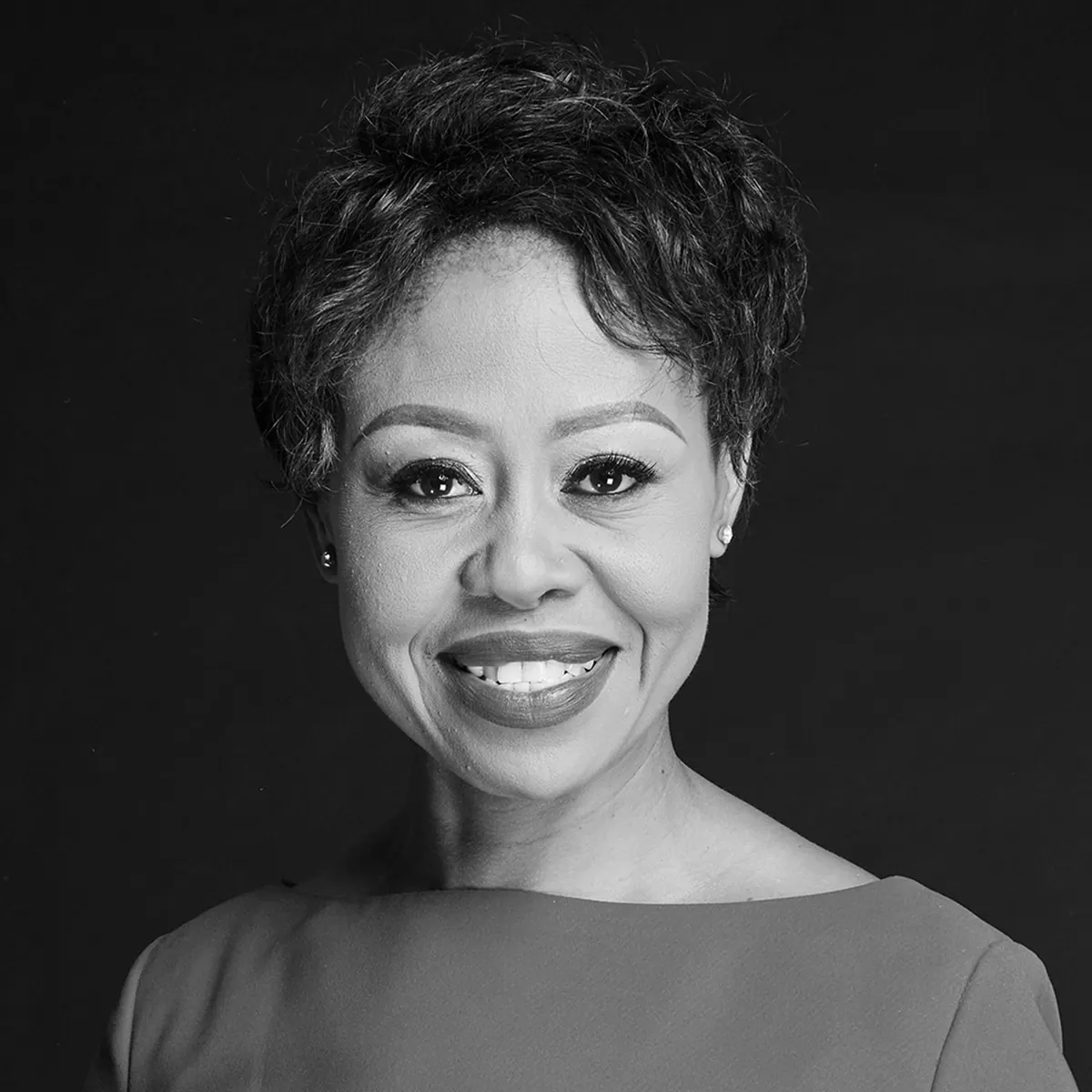
Mteto Nyati has been reappointed as chairperson of Eskom for another three years, a move that has been backed by Electricity Minister Kgosientsho Ramokgopa. Ramokgopa attributed the improvement in Eskom's performance to the work of its board, management, and employees. Eskom CEO Dan Marokane also expressed his support for Nyati's reappointment, citing his standing across government, labour, investors, and business.
However, not everyone is pleased with Nyati's reappointment. Business Leadership South Africa (BLSA) and some energy experts have been critical of Nyati's stance on unbundling, framing his caution as obstructionism and questioning whether he is acting in the national interest. This criticism has been described as acerbic and unprofessional. Nyati's reappointment should be seen as more than a routine administrative extension, given Eskom's significant turnaround in recent years.
Under Nyati's leadership, Eskom has recorded two consecutive profitable years, including a profit after tax of R30.3-billion in the 2026 financial year. The company's energy availability factor has improved substantially, and diesel dependence has fallen dramatically. South Africa has also marked almost 500 consecutive days without load shedding. This turnaround is attributed to various factors, including the government's R254-billion debt-relief package and Operation Vulindlela.
Despite this success, there is a tendency to downplay the role of Black leadership in Eskom's turnaround. When Eskom deteriorated under André de Ruyter, the context he inherited was often cited as a mitigating factor. However, when Eskom improves under a Black chairperson and CEO, context becomes an explanation for the improvement, rather than a mitigating factor. This double standard is a peculiar evidentiary test for Black competence.
This phenomenon extends beyond Eskom, with Black leadership often entering the public imagination carrying a presumption of deficiency. Competence must be demonstrated repeatedly, and even when demonstrated, somebody else is often waiting nearby to claim authorship. For example, the Financial Times recently highlighted the contribution of organised business to South Africa's reform programme, Operation Vulindlela, without acknowledging the role of the Presidency and National Treasury in creating the initiative.
Nyati's public dressing-down by the Presidency was also widely criticized. The Presidency publicly rebuked Nyati, questioning whether Eskom's leadership was genuinely committed to reform. This public rebuke played into an old racial trope, infantilizing a highly esteemed chairperson who was exercising his fiduciary responsibility and raising legitimate questions about debt, lenders, and the sequencing of a major restructuring.
Nyati's argument has been that Eskom supports an independent transmission system operator, but that transferring assets worth about R110-billion cannot be divorced from Eskom's debt, lender agreements, and financial sustainability. The government itself says the restructuring must safeguard Eskom's financial position. A board that interrogates the consequences of restructuring is not necessarily obstructing reform or "defying the President".
Key points
- The reappointment of Mteto Nyati as Eskom chairperson has sparked debate about his stance on unbundling and the role of Black leadership in Eskom's turnaround.
- Eskom has recorded two consecutive profitable years, with a profit after tax of R30.3-billion in the 2026 financial year.
- The public dressing-down of Nyati by the Presidency has been criticized for playing into an old racial trope, infantilizing a highly esteemed chairperson.