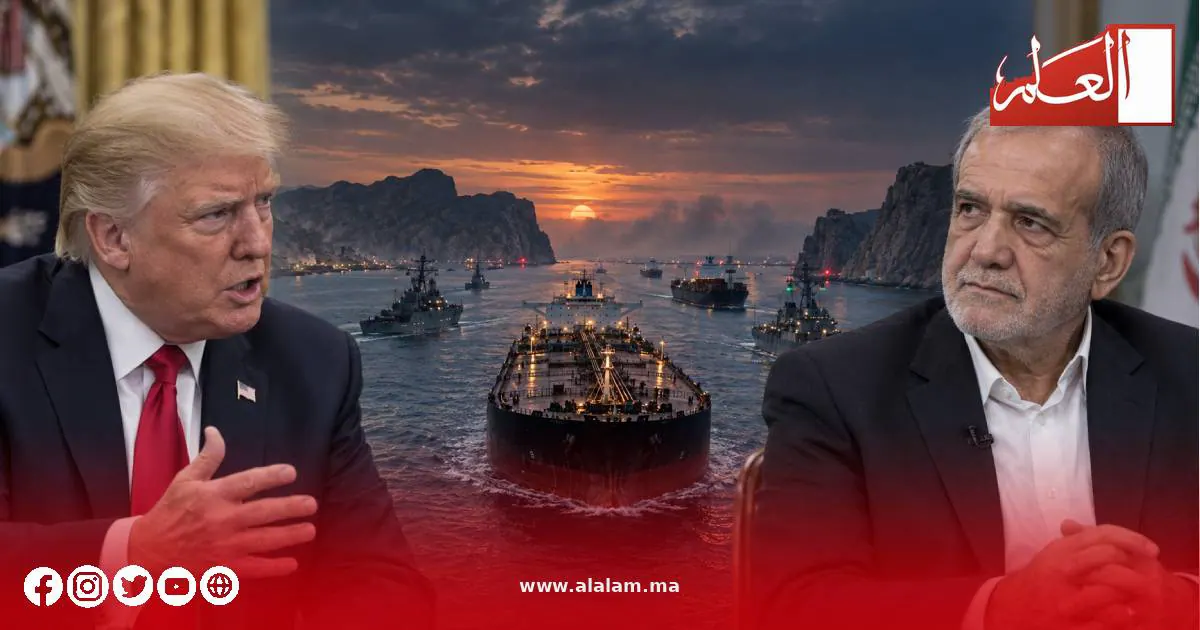
The situation in the Middle East has taken a turn for the worse, with the US and Iran engaging in a war of words. US President Donald Trump warned Iran's leadership to reach an agreement, threatening more economic pressure and escalation if they refuse to negotiate. Iranian military leaders vowed a harsh and continuous response to any new attack, stating that US bases and interests in the region would be targeted.
The tensions between the US and Iran have raised concerns about the potential for a wider conflict. The Houthis have launched missile and drone attacks on Saudi Arabia, including the capital city of Riyadh. The Saudi-led coalition reported intercepting other attacks, but the situation remains volatile. The US has issued a security warning, advising Americans to exercise caution and be prepared for possible flight cancellations or airspace closures.
The conflict is not limited to the military sphere, as it affects two of the world's most important shipping lanes. The Houthis' presence on the coast of Yemen gives them the ability to threaten ships passing through the Bab al-Mandab Strait, while Iran continues to restrict most navigation through the Strait of Hormuz. The simultaneous pressure on these two strategic waterways could lead to higher oil prices and increased concerns about energy supplies.
The US has imposed a blockade on Iranian ports, limiting Tehran's ability to export oil and exacerbating the country's economic problems. The situation has led to a stalemate, with Iran refusing to reopen the Strait of Hormuz fully before implementing any agreement. The Iranian parliament speaker, Mohammad Bagher Ghalibaf, stated that his country would continue to fight and negotiate simultaneously.
The crisis has expanded beyond a direct US-Iran confrontation to involve other regional players, including Yemen, Saudi Arabia, and the Gulf states. The international community is watching with concern, as the conflict could have far-reaching consequences for global energy supplies, trade, and navigation. The situation remains uncertain, with many questions about the ability of the parties involved to de-escalate the conflict.
The conflict has sparked concerns about the potential for a wider war, with many countries calling for restraint and diplomatic efforts to resolve the crisis. The US and Iran have shown a willingness to engage in diplomatic efforts, with Trump stating that he is open to meeting with Iranian President Masoud Pezeshkian. However, the situation remains volatile, and the risk of miscalculation or escalation remains high.
The international community is closely watching the developments in the Middle East, with many countries urging restraint and caution. The conflict has significant implications for global energy supplies, trade, and navigation, and a wider war could have far-reaching consequences. The situation remains uncertain, and diplomatic efforts are needed to prevent further escalation and find a peaceful resolution to the crisis.
Key points
- The conflict in the Middle East has escalated, with the US and Iran exchanging threats and the Houthis expanding their confrontation with Saudi Arabia.
- The situation has significant implications for global energy supplies, trade, and navigation.
- Diplomatic efforts are needed to prevent further escalation and find a peaceful resolution to the crisis.