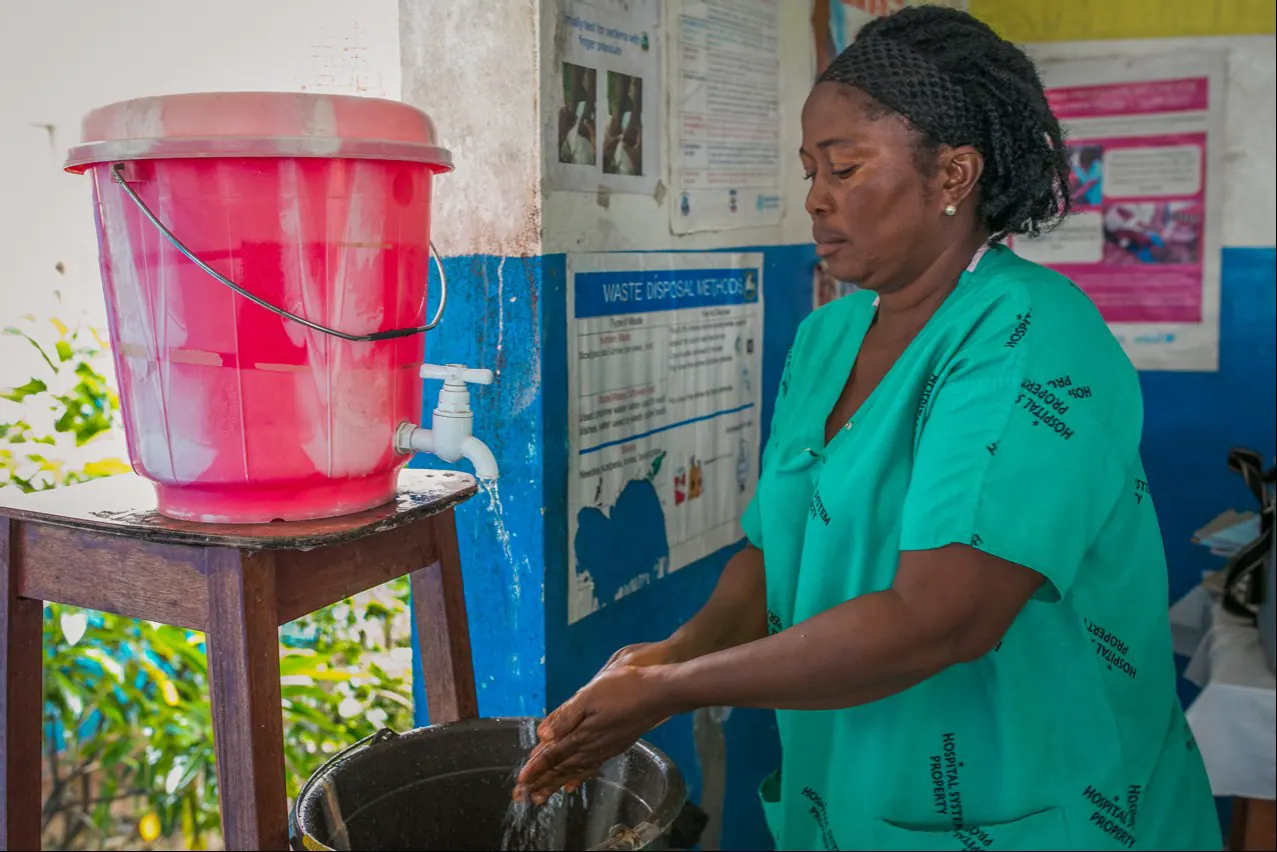
The Ghana Health Service has raised concerns about the erratic water supply at health facilities in the Upper East Region, posing significant risks to mothers and newborns during childbirth. Despite having sufficient staff and medicine, the lack of clean running water can compromise the quality of care. Dr. Braimah Baba Abubakari, Upper East Regional Director of the Ghana Health Service, emphasized that a health facility without adequate water, sanitation, and hygiene services cannot deliver quality care.
Dr. Abubakari noted that every health facility in the Upper East Region has access to potable water, either through the Ghana Water Company Limited or boreholes. However, the supply is often erratic, compromising infection prevention and control during critical moments like childbirth. This inconsistency can lead to sepsis and other infections for mothers and babies, undermining progress made in increasing skilled birth attendants.
The Upper East Region has made mixed progress in maternal health outcomes. Skilled delivery rates reached 78.86 percent in 2025, reflecting gains from expanded Community-based Health Planning and Services compounds and training for midwives and community health nurses. However, the region's institutional maternal mortality ratio rose from 97.1 deaths per 100,000 live births in 2024 to 132.43 deaths per 100,000 live births in 2025.
Sepsis accounted for 10 percent of maternal deaths in 2025, making it the fourth leading cause. The region also recorded 4,440 cases of acute watery diarrhoea among children under five, linked to broader Water, Sanitation, and Hygiene challenges. Dr. Abubakari attributed the water supply problems to prolonged dry seasons, seasonal water scarcity, and broken-down boreholes that are not adequately maintained.
Dr. Abubakari called for stronger collaboration between the Ghana Health Service, the Regional Coordinating Council, district assemblies, development partners, and non-governmental organisations to strengthen Water, Sanitation, and Hygiene infrastructure across the region. He urged journalists to follow up on Water, Sanitation, and Hygiene interventions at facilities and communities to ensure promises are kept.
The Ghana Health Service's warning highlights the critical need for reliable Water, Sanitation, and Hygiene services in health facilities. Inadequate services can have devastating consequences, particularly for vulnerable populations like pregnant women and newborns. The situation underscores the importance of addressing these gaps to improve maternal health outcomes in the Upper East Region.
The term Water, Sanitation, and Hygiene refers to the basic services needed to prevent disease, including access to clean drinking water, proper toilet facilities, and handwashing infrastructure. In health facilities, reliable Water, Sanitation, and Hygiene services are essential for infection prevention and control, particularly during procedures like childbirth.
Key points
- Erratic water supply at health facilities in Ghana's Upper East Region poses significant risks to mothers and newborns during childbirth.
- The region's institutional maternal mortality ratio rose from 97.1 deaths per 100,000 live births in 2024 to 132.43 deaths per 100,000 live births in 2025.
- Sepsis accounted for 10 percent of maternal deaths in 2025, making it the fourth leading cause.