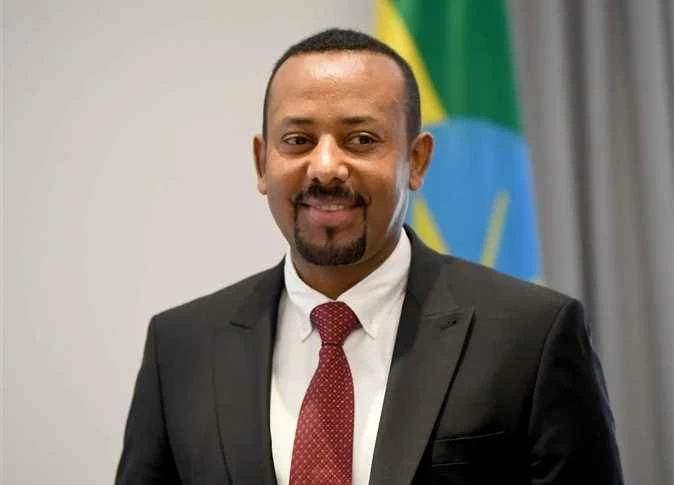
The ongoing conflict in Ethiopia is not a recent development, according to Habib Muhammad Osman, the Eritrean embassy's media advisor in Cairo. Osman stated that Ethiopia has multiple armed groups fighting the federal government led by Prime Minister Abiy Ahmed, with various national and ethnic demands. These groups have been active for some time, and their struggles have now intensified, particularly in the Tigray region.
Osman, in an interview with Egyptian journalist Hossam El Hamalawy on the "African Harvest" program broadcast on Cairo News Channel, emphasized that the conflict between Tigray and the federal government could potentially destabilize the entire region. He expressed concerns that the situation in Ethiopia does not appear promising. According to Osman, Ethiopia has historically pursued an expansionist policy, initiated by Emperor Menelik II in the late 19th and early 20th centuries.
This expansionist policy, Osman argued, has been a primary cause of instability in the Horn of Africa. He noted that Emperor Haile Selassie continued this policy, annexing territories from Somalia and Eritrea. The Eritrean advisor claimed that these historical actions have contributed to the current tensions in the region. Osman also highlighted the significance of the Tigray region, which shares a border with Eritrea, in the current developments.
The Tigray People's Liberation Front (TPLF), Osman explained, was established in 1974 amid the country's ongoing conflicts. He suggested that the group's formation was a response to the struggles faced by the Tigray people. Osman also mentioned that the conflict has led to concerns about the potential for a wider destabilization of the region.
Abiy Ahmed's government has been facing challenges from various armed groups, Osman said, adding that the situation in Ethiopia requires careful consideration. The conflict in Tigray has resulted in significant humanitarian and economic impacts, affecting not only the local population but also neighboring countries.
Osman emphasized that the Eritrean government is closely monitoring the situation, given the historical ties and geographical proximity between Eritrea and the Tigray region. He expressed hope for a peaceful resolution to the conflict, which would help stabilize the region and prevent further humanitarian crises.
The international community has been urged to pay close attention to the developments in Ethiopia and provide support to resolve the conflict. The situation in Tigray and its implications for regional stability will likely continue to be a pressing concern for African and international leaders.
Key points
- The conflict between Ethiopia's Tigray region and the federal government has historical roots and may destabilize the Horn of Africa.
- Eritrea is closely monitoring the situation due to its geographical proximity and historical ties with the Tigray region.
- The international community is urged to provide support to resolve the conflict and prevent further humanitarian crises.