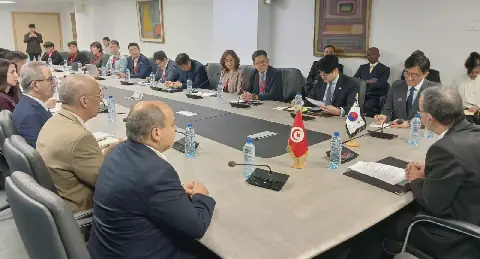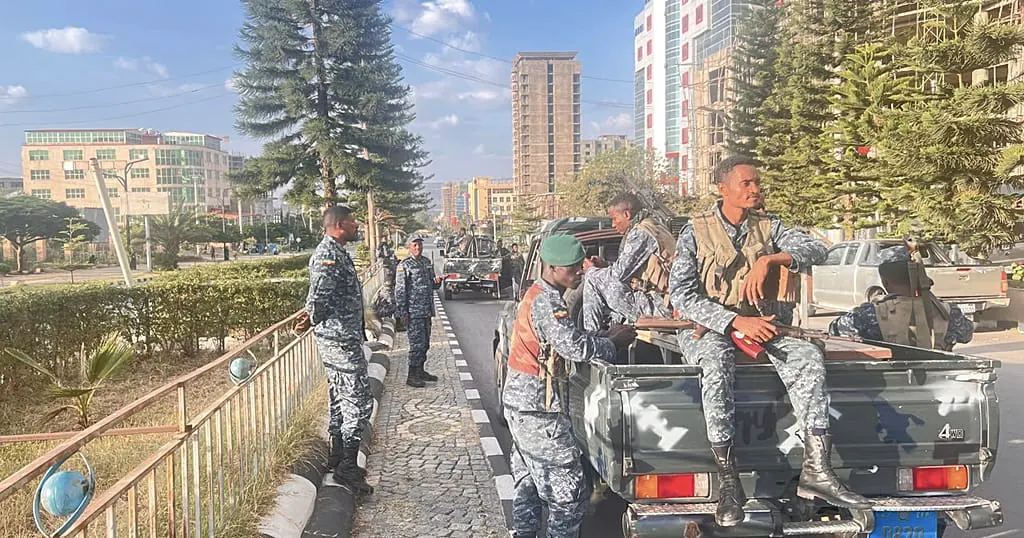
Eritrea's Foreign Minister Osman Saleh wrote to the UN, warning that Ethiopia's actions would cause "huge devastation" to both countries and destabilize the region. This move comes after Ethiopia accused Eritrea of launching an "all-out invasion" into Tigray, with Eritrean troops allegedly advancing up to 60 kilometres into the region. Eritrea has denied the incursion, which has raised fears of a return to all-out war along Ethiopia's northern border.
The conflict between Ethiopia and Eritrea has a long and complex history. Eritrea gained independence from Ethiopia in 1993, and the two countries fought a deadly border war from 1998 to 2000. Relations improved after Ethiopian Prime Minister Abiy Ahmed came to power in 2018, but have soured again in recent years. One of the main points of contention is Ethiopia's desire for direct sea access, which Eritrea interprets as a threat to invade and seize its port at Assab.
The current conflict began when rebels from the Tigray People's Liberation Front (TPLF) launched attacks against federal forces in the northern Ethiopian region. Eritrean forces have since invaded Ethiopian territory, and the Ethiopian army has pushed back the TPLF, seizing their capital, Mekelle. The situation on the ground is dire, with residents of Adigrat reporting that people are facing a severe crisis, with children and the elderly suffering from hunger and sick people dying due to a lack of medical treatment.
The humanitarian situation in Adigrat is critical, with residents urging Ethiopian authorities to help them. Hagos Woldegebriel, a resident, said that children and the elderly are suffering from hunger, and sick people are dying due to a lack of medical treatment. Teame Lemlem, a man displaced from Zalambessa during a previous conflict, said that everything is running out, including food supplies, and people are dying without medical care.
The Ethiopian government has accused Eritrea of backing the TPLF rebels, which Eritrea denies. Eritrea has also denied an incursion by its troops into Ethiopia, saying that the claim is part of Addis Ababa's plan to justify its war of aggression. The neighbours have accused each other of starting a war over Tigray, which has raised fears of a wider conflict in the region.
The conflict has already had a devastating impact on the region, with thousands of people displaced and many more affected by the fighting. The situation is likely to worsen unless a peaceful resolution is found. The Ethiopian government and Eritrea will need to engage in serious talks to resolve their differences and find a way to end the conflict.
The international community is watching the situation closely, with the UN and other organizations calling for a peaceful resolution to the conflict. The African Union has also expressed concern over the situation and has called for calm. It remains to be seen whether Eritrea's request for UN intervention will be granted, but it is clear that the situation requires urgent attention from the international community.
Key points
- Eritrea has asked the UN to take "deterrent measures" against Ethiopia, accusing Addis Ababa of declaring war over the Tigray region.
- The conflict between Ethiopia and Eritrea has a long and complex history, with tensions over issues such as border disputes and sea access.
- The humanitarian situation on the ground is dire, with thousands of people affected by the fighting and many more at risk of hunger and medical shortages.