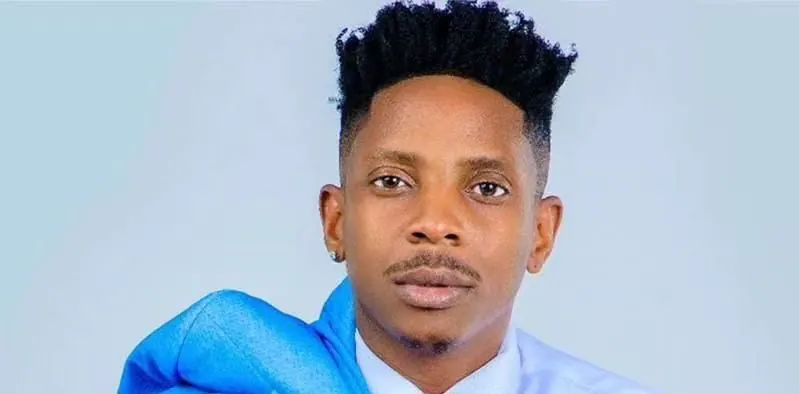
Kenyan comedian and activist Eric Omondi has spoken out on the role of public figures in politics, emphasizing that artists and influencers must prioritize the interests of ordinary citizens over those of the government. In an interview on September 30, 2026, Omondi stated that entertainers have a civic duty to reflect and amplify societal struggles, rather than serving as mouthpieces for the state. He stressed that artists must always stand with the people, regardless of the government in power.
Omondi cautioned creators against defending or marketing government programs, arguing that this compromises their role as the voice of the public. He urged influencers who engage in state branding to take clear ownership of their commercial and political partnerships, rather than masking them. According to Omondi, it is not wise for an artist to speak on behalf of the government, and instead, they should be proud of their product and transparent about their partnerships.
Omondi's remarks directly counter the position taken by filmmaker and storyteller Abel Mutua, who recently defended creators who partner with or support President William Ruto's administration. Mutua argued that creators are entitled to individual political freedom and cautioned citizens against relying on influencers to form their political views. He emphasized that influencers should not be held to a different standard than other citizens who interact with state entities in various sectors.
The debate between Omondi and Mutua highlights a growing ideological divide within Kenya's creative economy. Omondi advocates for artists as permanent advocates for the populace against power structures, while Mutua champions political neutrality, individual choice, and the rights of creators to treat their platforms as personal or business enterprises without public moral policing. This divide reflects fundamentally different views on the role of creators in shaping public discourse.
Omondi's stance is rooted in his understanding of the artist's role in society, which he described as "Msanii ni kioo cha jamii" or "the artist is a mirror of society." He believes that artists must reflect the struggles and concerns of the people, rather than serving the interests of those in power. This perspective has implications for how influencers and artists engage with government programs and policies.
The discussion has sparked a wider conversation about the civic duty of digital influencers and the responsibilities that come with their platforms. As Kenya's creative economy continues to evolve, the debate is likely to intensify, with different stakeholders weighing in on the role of creators in shaping public opinion and influencing policy. Ultimately, the conversation may lead to a clearer understanding of the expectations placed on influencers and artists in the country.
The contrasting views of Omondi and Mutua have generated significant interest and reaction on social media, with many Kenyans weighing in on the debate. While some have expressed support for Omondi's stance, others have defended Mutua's position, arguing that creators should be free to make their own choices about their partnerships and endorsements. The debate is likely to continue, with implications for the creative economy and the role of influencers in Kenyan society.
Key points
- Eric Omondi advises influencers to prioritize citizens' interests over government agendas.
- Omondi's stance counters that of Abel Mutua, who defends creators' freedom to partner with government.
- The debate highlights a growing divide within Kenya's creative economy over the role of artists and influencers in shaping public discourse.