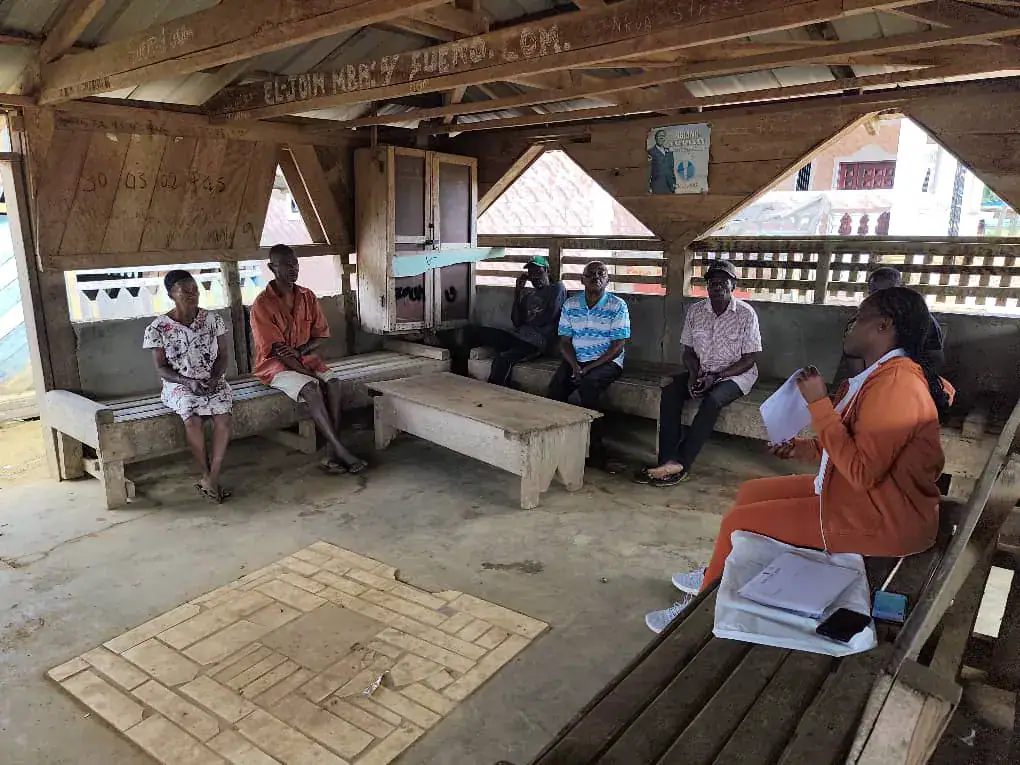
GRUPO ITA AGRO recently carried out simultaneous community diagnosis and participatory mapping activities in Rilaja, Región Insular, and Ncoangom Esawong, Mongomoyén, Región Continental. This initiative was part of the BIOCARBONO project, which aims to develop financing instruments for biodiversity and biocarbon to conserve forests and improve community livelihoods. The activities were led by Josefina Mbulito Iyanga in Rilaja and Rosa María Okomo Esi Ndanda in Ncoangom Esawong, Mongomoyén.
The simultaneous execution of these activities on October 31st allowed for coordinated progress in gathering information on household living conditions, productive activities, and natural resource utilization. The leadership of both women highlights the crucial role of females in environmental and community development initiatives. Their work demonstrates the significant contribution of women to team coordination, community dialogue, and information generation for territorial planning.
During the activities, teams conducted household interviews and community meetings to gather data on primary income sources, crops, access to basic services, and land use. They also collected information on forest resources, perceived environmental changes, and challenges in adopting sustainable practices. This diagnosis serves as a foundation for creating community land-use maps and identifying conservation and restoration priorities.
The methodological approach integrates local knowledge with on-site verification, incorporates perspectives from both men and women, and validates results with the communities. Female participation is central to this process, as understanding women's experiences, productive activities, and access to land and resources enables a more comprehensive understanding of each community's needs and opportunities.
GRUPO ITA AGRO's intervention in Rilaja and Ncoangom Esawong, Mongomoyén, demonstrates its commitment to community participation, equal opportunities, and sustainable natural resource management. By promoting planning that links forest conservation to improved livelihoods, the organization is contributing to Equatorial Guinea's environmental and development goals.
The BIOCARBONO project's focus on biodiversity and biocarbon conservation aligns with global efforts to address climate change and promote sustainable development. By engaging local communities in the diagnosis and planning process, GRUPO ITA AGRO is ensuring that the needs and concerns of those most affected are taken into account.
The successful execution of these activities showcases the potential for collaborative and inclusive approaches to environmental conservation and community development in Equatorial Guinea. As the country continues to prioritize sustainable development, initiatives like GRUPO ITA AGRO's BIOCARBONO project will play a vital role in shaping a more environmentally conscious and equitable future.
Key points
- GRUPO ITA AGRO's community diagnosis and territorial planning activities in Equatorial Guinea's two regions were led by women, highlighting their crucial role in environmental and community development initiatives.
- The BIOCARBONO project aims to develop financing instruments for biodiversity and biocarbon to conserve forests and improve community livelihoods.
- The activities demonstrated the importance of female participation in community development and environmental conservation, enabling a more comprehensive understanding of community needs and opportunities.