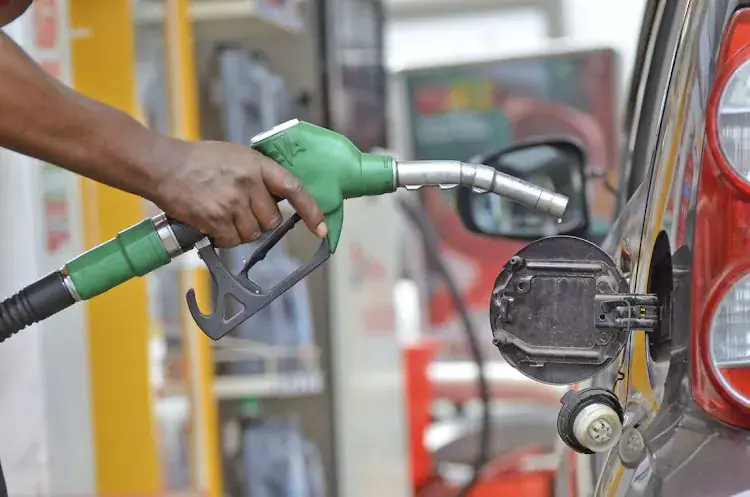
The Energy and Petroleum Regulatory Authority (EPRA) has decided to keep fuel prices unchanged across Kenya for the November-December 2026 pricing cycle. This decision comes despite an increase in the average landed cost of imported refined petroleum products. The regulator announced that the maximum retail pump prices for Super Petrol, Diesel, and Kerosene will remain the same between November 15 and December 14, 2026.
The unchanged pump prices are attributed to the government's intervention through the Petroleum Development Levy Fund (PDLF). The government injected KSh4.6 billion from the PDLF to cushion consumers against higher international costs. Without this subsidy, consumers would have faced increases of KSh8.58 per litre for Super Petrol, KSh10.54 for Diesel, and KSh1.16 for Kerosene.
In Nairobi, motorists will continue purchasing Super Petrol at KSh226.96 per litre, Diesel at KSh227.76, and Kerosene at KSh219.87. The prices include Value Added Tax (VAT) at 8 per cent, in line with government policy. EPRA reported that the average landed cost of imported Super Petrol increased by 6.11 per cent, from US$977.55 per cubic metre in September 2026 to US$1,037.30 per cubic metre in October.
The regulator also reported that the landed cost of Diesel rose by 6.73 per cent, increasing from US$1,065.38 to US$1,137.09 per cubic metre. Meanwhile, Kerosene recorded a 0.71 per cent increase, with its average landed cost rising from US$1,098.31 to US$1,106.11 per cubic metre.
The decision to maintain local pump prices came against the backdrop of declining international crude oil prices. The Central Bank of Kenya (CBK) reported that Murban crude oil had dropped to US$90.07 per barrel on November 12, from US$94.04 recorded on November 5. The shilling also remained stable against the US dollar, exchanging at KSh129.96 on November 12, unchanged from November 5.
International crude oil prices are among the factors considered by EPRA when calculating monthly fuel prices. Other components include shipping, insurance, distribution expenses, taxes, and applicable levies. The regulator has previously explained that Kenya imports all its petroleum products in refined form, making local pump prices sensitive to international petroleum costs and fluctuations in the exchange rate between the US dollar and the Kenyan shilling.
This is the second time this year that EPRA has maintained fuel prices despite changes in international oil prices. In the previous review, EPRA increased pump prices during the October-November 2026 pricing cycle, which ran from October 15 to November 14. The regulator attributed the increases to the weighted average cost of imported refined petroleum products during the review period.
Key points
- The government injected KSh4.6 billion from the Petroleum Development Levy Fund to stabilize fuel prices.
- Fuel prices in Nairobi remain at KSh226.96 per litre for Super Petrol, KSh227.76 for Diesel, and KSh219.87 for Kerosene.
- International crude oil prices declined ahead of the EPRA review, with Murban crude oil dropping to US$90.07 per barrel on November 12.