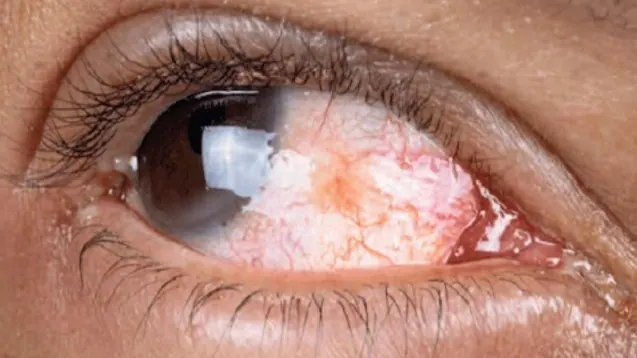
The epidemic of conjunctivitis, commonly referred to as 'Apollo', has returned to Mali for the umpteenth time. This condition, characterized by red, painful eyes, has been a recurring issue in the country since its first outbreak in the 1970s. The name 'Apollo' is attributed to its coincidental emergence with the Apollo 11 space mission in 1969, when astronauts Neil Armstrong and Buzz Aldrin successfully landed on the moon.
Health authorities in Mali are advising the public to take preventive measures to curb the spread of the infection. These measures include regular handwashing with soap and water, using hydroalcoholic gel, avoiding touching or rubbing one's eyes with unwashed hands, and refraining from sharing personal items such as towels and handkerchiefs. By adhering to these guidelines, individuals can significantly reduce the risk of contracting and spreading the infection.
The Malian health authorities are also cautioning against the use of certain medications and products without proper medical supervision. This includes collyres, serums, gels, and pomades, as well as traditional remedies like lemon, soap, or other concoctions that may exacerbate the condition. Instead, individuals are encouraged to seek professional medical help if they experience symptoms such as redness, a sensation of a foreign object in the eye, or ocular discharge.
According to Dr. N'Diaye from the Ophthalmology Unit at Mali's Hospital, it is crucial to consult an ophthalmologist if symptoms persist or worsen. A medical professional can assess the situation and provide appropriate guidance and treatment. The Ministry of Health has assured the public that the situation is not alarming, provided that proper hygiene practices are followed.
The resurgence of 'Apollo' has raised concerns among the public, with some individuals taking to social media to express their worries. A recent incident involving a young man, Boua, who was teased by his brother-in-law for wearing large black glasses to conceal his infected eyes, highlights the social stigma associated with the condition.
To mitigate the spread of the infection, the Ministry of Health is urging citizens to remain vigilant and take proactive measures to protect themselves and their loved ones. By working together, the public can help prevent the further spread of 'Apollo' and reduce the risk of complications associated with the condition.
The Ministry of Health, in collaboration with healthcare professionals, is closely monitoring the situation and providing guidance to the public. Rokia Coulibaly, a health expert, has emphasized the importance of seeking medical attention if symptoms persist or worsen, and has encouraged the public to remain informed about the condition and its prevention.
Key points
- Health authorities urge citizens to practice good hygiene to prevent the spread of 'Apollo'.
- The Ministry of Health advises against using certain medications and products without proper medical supervision.
- Citizens are encouraged to seek medical attention if symptoms persist or worsen.