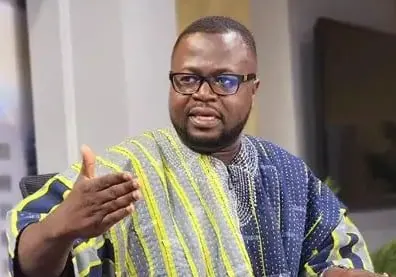
Aide to former Vice President Dr. Mahamudu Bawumia, Kofi Tonto, has expressed disappointment in the Economic and Organised Crime Office's (EOCO) inaction on the cocaine trade in Ghana. He questioned why EOCO, mandated to investigate organized crime, has not publicly provided information on its efforts to tackle organized criminal activities linked to narcotics. Tonto's comments were made on Accra-based Channel One TV's Breakfast Daily programme on October 6.
Tonto emphasized that EOCO's mandate extends beyond financial crimes and money laundering to include economic and organized crime, which covers the narcotics trade. He argued that the involvement of the Narcotics Control Commission (NACOC) in intelligence gathering on narcotics does not prevent EOCO from investigating organized and financial crimes connected to the trade. According to Tonto, EOCO should provide Ghanaians with a report on organized crimes, particularly activities connected to the cocaine business.
The NPP communicator criticized the government's handling of the ongoing national conversation on narcotics and alleged cocaine-related activities. He expressed concern that EOCO has not made any public statements on the issue, despite its mandate to investigate organized crime. Tonto specifically asked if the CID boss, Yaw Donkor, had made any statements on cocaine issues and the actions taken.
Tonto's criticism of EOCO comes amid growing concerns about the cocaine trade in Ghana. The country's narcotics trade has been a subject of discussion in recent times, with many calling for a more effective approach to tackling the issue. EOCO's silence on the matter has raised questions about its effectiveness in investigating organized crime.
The Economic and Organised Crime Office (EOCO) was established to investigate and monitor organized crimes, including financial crimes and money laundering. Its mandate also extends to economic and organized crime, which includes the narcotics trade. However, the office has been criticized for its inaction on several high-profile cases, including the cocaine trade.
Kofi Tonto's comments have sparked a renewed debate about EOCO's role in tackling organized crime in Ghana. Many have expressed support for Tonto's call for EOCO to be more proactive in investigating organized crime, particularly in the narcotics trade. The issue has also raised questions about the effectiveness of Ghana's law enforcement agencies in tackling organized crime.
The government has yet to respond to Tonto's criticism of EOCO. However, the issue is expected to continue to be a subject of discussion in the coming days. The public is eagerly awaiting a response from EOCO on its efforts to tackle organized crime, particularly in the narcotics trade.
Key points
- Kofi Tonto criticizes EOCO for its inaction on the cocaine trade despite its mandate to investigate organized crime.
- EOCO's mandate extends beyond financial crimes and money laundering to include economic and organized crime, which covers the narcotics trade.
- The issue has sparked a renewed debate about EOCO's role in tackling organized crime in Ghana.