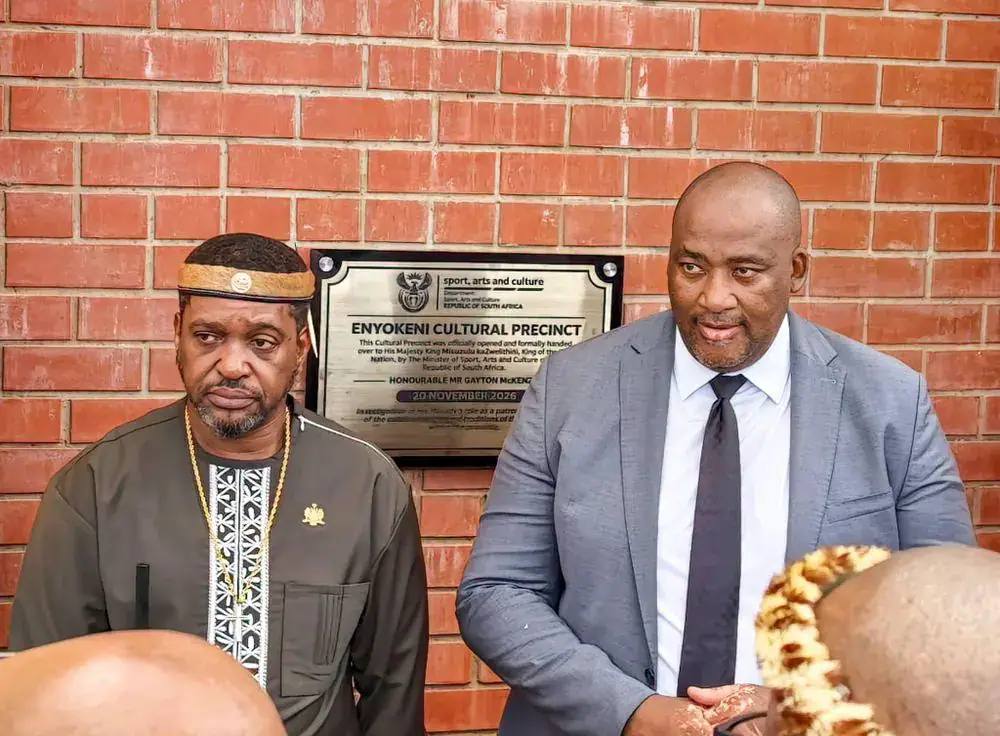
The Enyokeni Cultural Precinct, also known as the Dome and Ibhola, was launched on April 29, 2014, by then Arts and Culture Deputy Minister Dr Joe Phaahla. The multi-purpose venue is expected to become a cornerstone for safeguarding Zulu heritage while driving regional economic growth and year-round community utility. The precinct was officially handed over by the Department of Sport, Arts and Culture to the Zulu royal house last Friday.
King Misuzulu kaZwelithini expressed his gratitude to the Department of Sport, Arts and Culture for the handover, saying the royal house accepts the facility with gratitude, but the work starts now: to safeguard it, use it well and ensure it serves the people for generations to come. He emphasized that the partnership between the royal house and KwaZulu-Natal provincial government is crucial in recognizing that the heritage of the Zulu people is a part of the heritage of South Africa.
The King highlighted the importance of preserving cultural heritage, stating that it helps children understand who they are and gives visitors an opportunity to learn about the history and tradition of the Zulu people. He also noted that the facility needs regular maintenance, reliable security, and careful management, and urged the KZN provincial government to allocate an adequate budget to ensure a sustainable solution for the project.
The Enyokeni Cultural Precinct is intended to host cultural events, conferences, and community activities throughout the year, including festivals, exhibitions, and weddings. King Misuzulu said the opportunities should reach well beyond the stage of the arena, benefiting local caterers, artists, artisans, event workers, small businesses, and young people. He also suggested that the precinct could host events such as matric exams.
Department of Sport, Arts and Culture Minister Gayton McKenzie apologized for the challenges faced by the royal family during the construction phase, assuring King Misuzulu that it shall never happen again where the Zulu royal family feels disrespected. McKenzie also emphasized the importance of maintaining the facility, saying that politicians had committed to taking care of the maintenance, and they must keep their promise.
Minister McKenzie highlighted the growth of the Reed Dance ceremony, which has increased from 500 maidens in the first year to close to 50,000 maidens attending over three decades. He stated that this shows the culture is alive and vibrant, and therefore, it must be supported. McKenzie also quoted the late king, saying that heritage survives only when people have a place to practice.
The handover of the Enyokeni Cultural Precinct marks a significant milestone in preserving Zulu heritage and promoting regional economic growth. The facility is expected to become a hub for cultural activities, tourism, and community development, providing opportunities for employment and entrepreneurship. Key stakeholders will need to work together to ensure the facility's sustainability and success.
Key points
- The Enyokeni Cultural Precinct is expected to become a cornerstone for safeguarding Zulu heritage while driving regional economic growth and year-round community utility.
- King Misuzulu kaZwelithini emphasized the importance of preserving cultural heritage and urged the KZN provincial government to allocate an adequate budget to ensure a sustainable solution for the project.
- The facility is intended to host cultural events, conferences, and community activities throughout the year, providing opportunities for employment and entrepreneurship.