Angolan environmentalist Rafael Lucas, from the non-governmental organization Minuto Verde, has emphasized the need for enhanced prediction and early warning systems, as well as increased investment in water harvesting and conservation, to mitigate the potential effects of the El Niño climate phenomenon in Angola, particularly in the southern region. This call to action comes in response to reports on the risks associated with El Niño in the Southern African region.
According to Rafael Lucas, El Niño is characterized by the abnormal warming of surface waters in the Pacific Ocean, a phenomenon capable of altering atmospheric circulation and influencing climate conditions in different regions of the world. He stressed that the situation warrants special attention from Angolan authorities, given the risks associated with changes in precipitation and temperature patterns.
The environmentalist highlighted that advance preparation is crucial to reducing the vulnerability of populations, especially in communities exposed to irregular rainfall and water scarcity. Among the recommended measures, Rafael Lucas emphasized the need to improve meteorological forecasting systems and ensure that populations receive timely information on climate risks.
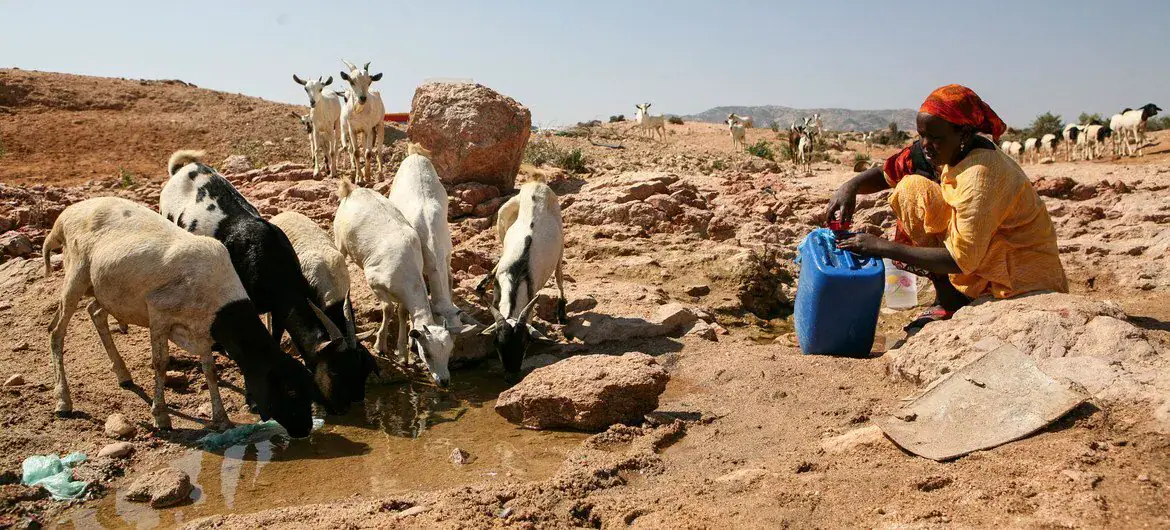
Rafael Lucas also underscored the importance of increasing investment in water harvesting, conservation, and efficient management of water resources, including the construction of storage systems, recovery of water supply points, and adoption of more efficient irrigation techniques. These measures, he believes, can help strengthen the response capacity of communities facing droughts and other changes in climate conditions.
Furthermore, the environmentalist advocated for improving drainage systems, reinforcing solid waste management, and protecting natural water flow lines. He also warned of the need to prevent the disorderly occupation of risk zones to reduce the exposure of populations to potential natural disasters.
Rafael Lucas pointed out that reforestation, recovery of degraded areas, and protection of ecosystems are important measures to enhance environmental resilience. He explained that vegetation plays a fundamental role in soil conservation, water cycle regulation, and biodiversity preservation.
The environmentalist also emphasized the need for climate education to reach communities, stressing that citizens must understand environmental risks and actively participate in adopting sustainable solutions. He highlighted the role of civil society organizations in raising awareness among populations, mobilizing communities, and monitoring nature protection initiatives.
Key points
- Strengthening alert systems and water conservation efforts can help mitigate El Niño effects in Angola.