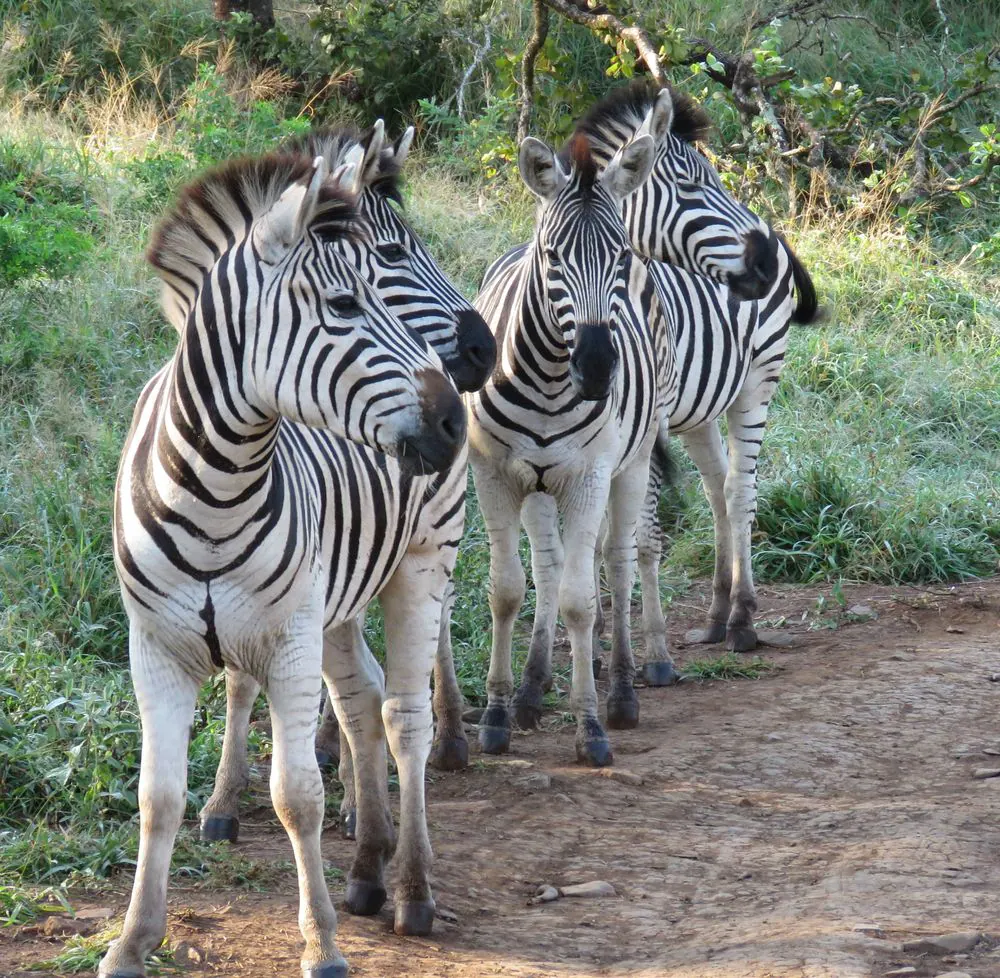
A recent study by University of KwaZulu-Natal (UKZN) master's graduate, Nksz Ongeziwe Njomi, has shed light on the importance of protecting the Hluhluwe-Imfolozi Park in South Africa. The research, supervised by Professor Michael Gebreslasie, focused on the relationship between land-use changes and their impact on human-wildlife conflict in the park. Njomi's study, titled "Remote Sensing of Land-Use and Land-Cover Change and its Impact on Human-Wildlife Conflict around Hluhluwe-iMfolozi Park, KwaZulu-Natal, South Africa," aimed to understand the dynamics of land-use changes and their effects on the park's ecosystem.
Njomi chose to pursue her master's degree at UKZN due to her passion for environmental studies and the institution's reputation for excellence in this field. Her research highlighted the significance of respecting and preserving the environment to prevent conflicts between humans and wildlife. By understanding the complex relationships between land-use changes, environmental degradation, and human-wildlife conflict, Njomi's study aimed to provide insights into how to mitigate these issues and protect the park's biodiversity.
The study used remote sensing technology to analyze land-use changes and their impact on the park's ecosystem. Njomi's research revealed that the park's surroundings are under significant pressure, leading to human-wildlife conflict. The study's findings have important implications for conservation efforts and highlight the need for sustainable land-use practices. By adopting a more informed approach to land-use planning, Njomi argues that it is possible to reduce human-wildlife conflict and protect the park's natural resources.
Njomi's research has been praised for its innovative approach to understanding the complex relationships between land-use changes, environmental degradation, and human-wildlife conflict. Her study demonstrates the importance of interdisciplinary research in addressing environmental challenges. The findings of her study will be useful for policymakers, conservationists, and local communities seeking to mitigate human-wildlife conflict and protect the park's biodiversity.
The Hluhluwe-Imfolozi Park is one of South Africa's most important conservation areas, home to a diverse range of flora and fauna, including several endangered species. The park's ecosystem is under threat from human activities such as agriculture, urbanization, and poaching. Njomi's research highlights the need for urgent action to protect the park's natural resources and prevent further degradation of its ecosystem.
Njomi's study is a significant contribution to the field of environmental science, and her findings have important implications for conservation efforts in South Africa. Her research demonstrates the importance of adopting a holistic approach to environmental conservation, one that takes into account the complex relationships between human activities, environmental degradation, and biodiversity loss.
Njomi plans to continue her academic pursuits, with the goal of pursuing a doctoral degree in environmental science. Her research has sparked interest in the academic community, and her findings are expected to inform conservation efforts in South Africa. The study's outcomes will also contribute to the development of more effective strategies for mitigating human-wildlife conflict and protecting the country's natural resources.
Key points
- University of KwaZulu-Natal master's graduate Nksz Ongeziwe Njomi has conducted research on land-use changes and their impact on human-wildlife conflict in the Hluhluwe-Imfolozi Park.