In Mauritius, a paradox exists where environmental movements and progressive political parties advocate for the inclusion of nature rights in the Constitution. However, despite this rhetoric, developers continue to clear land for construction projects, often with government approval. Recently, a seminar was held by Rezistans ek Alternativ (ReA) on nature rights, with the goal of gathering proposals to submit to the Constitutional Review Commission. While attendees expressed strong convictions and a clear ecological vision, critics argue that ReA's silence on specific issues undermines their credibility.
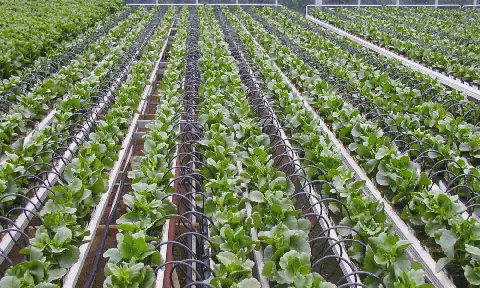
The issue of nature rights is particularly relevant in Mauritius, where unbridled development and construction are causing irreversible ecological damage. The country's agricultural land is being converted for industrial, commercial, and residential use, leading to deforestation and disruptions in ecosystems. The Alliance du Changement had promised to include nature rights in the Constitution as part of their electoral manifesto. However, it has taken two years to establish the Constitutional Review Commission, and it may take another two years to amend the Constitution.
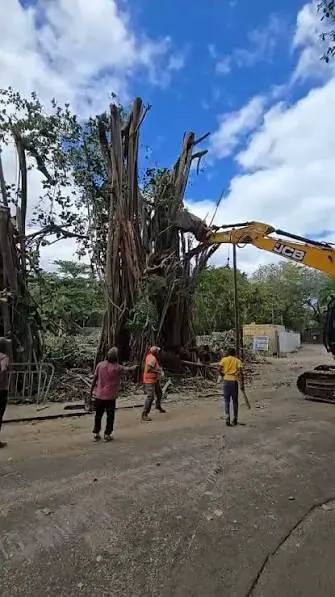
Critics are surprised that ReA has not taken an official stance on the recent destruction of a centenary banyan tree in Rivière-Noire. This silence is particularly striking given ReA's commitment to protecting nature rights. The Minister of Environment and the Minister of Agro-industry have been accused of allowing developers to circumvent environmental regulations and approving the conversion of agricultural land for construction. These ministers belong to parties that have long adopted neoliberal ideologies that prioritize development over environmental concerns.
The lack of action from ReA and other environmental groups has led to accusations of hypocrisy. While they advocate for nature rights, they remain silent on specific issues that directly impact the environment. A moratorium on development projects has been proposed to assess their ecological impact and implement corrective measures. This is particularly urgent given the effects of deforestation on rainfall patterns and the country's water scarcity issues.
The water scarcity issue in Mauritius is a pressing concern, with the Central Water Authority (CWA) struggling to capture, conserve, and distribute water equitably. The government's inability to address this issue has been criticized, particularly given the country's commitment to achieving the Sustainable Development Goals (SDGs) set by the United Nations. The right to access clean water is a fundamental human right, and the government's failure to ensure this right is being met is a significant concern.
The proposed Vision 2050 for Mauritius has been criticized for lacking a clear short-term and medium-term strategy for addressing water resource development. Two years into its term, the government has yet to demonstrate a coherent plan for managing the country's water resources. The issue of nature rights and environmental protection remains a contentious issue in Mauritius, with many calling for greater action and accountability from both the government and environmental groups.
The Economic Development Board's role in facilitating development projects has also been criticized, with some arguing that it prioritizes the interests of developers over those of the environment and local communities. The government's approach to development has been described as prioritizing economic growth over environmental concerns, with significant consequences for the country's ecosystems and natural resources.
Key points
- Environmental groups in Mauritius are facing criticism for their silence on destructive development projects, despite advocating for nature rights.
- The government's approach to development has been criticized for prioritizing economic growth over environmental concerns.
- The issue of water scarcity in Mauritius remains a pressing concern, with the government struggling to address the issue.