In Morocco's northern cities, the issue of sewage network failures continues to plague residents. Despite reports from the Court of Auditors and protests from affected populations, the problems persist. The cities of Tangier, M'Diq, and Chefchaouen are struggling with inadequate sewage infrastructure, posing significant environmental and health risks. The situation is exacerbated by the lack of connection to the public network, poor infrastructure, and sewage leaks.
The approaching 2027 local and regional elections have brought attention to the failed projects and the inability of local authorities to address the growing urbanization. Residents are demanding better public services and environmental protection. In Tangier, for example, some neighborhoods and rural areas still rely on primitive methods for collecting wastewater, posing health risks and threatening the water table and ecosystem.
The issue of sewage network failures has been ongoing for years, with several voices calling for accountability and an end to the projects' delays. In Chefchaouen, a recent incident where a young girl drowned in wastewater has raised concerns about the safety of residents. An investigation by the public prosecutor's office has been launched, and there are calls for those responsible to be held accountable.
The lack of funding is cited as a primary reason for the delays in sewage network projects. Local authorities have failed to provide sufficient budgets for infrastructure development, leading to a shortage of resources. In Tangier, for example, the urban community has been criticized for its inability to address the city's sewage needs, despite promises to improve public services.
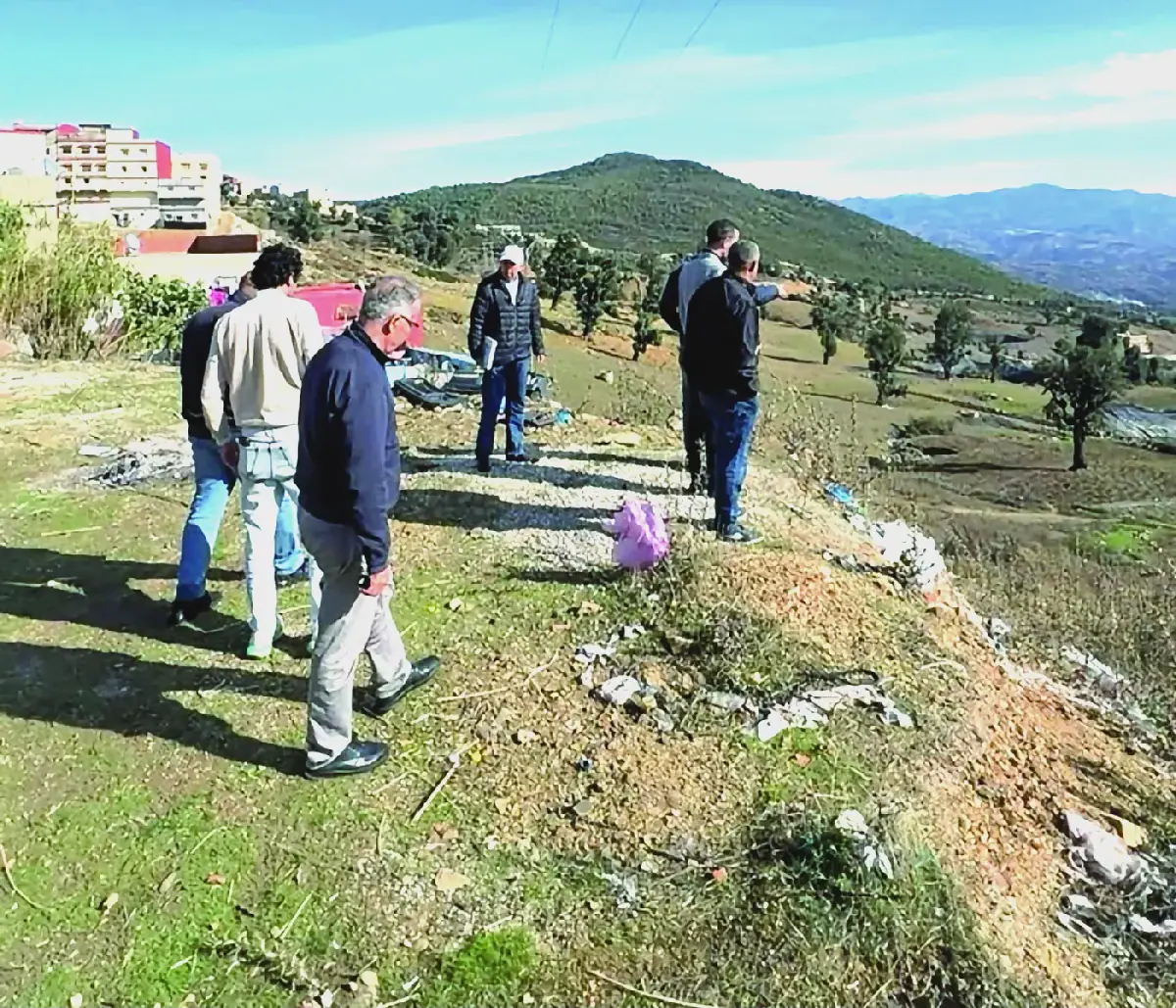
In a recent development, the Regional Company for Multi-Service has announced the launch of a project to build sewage networks in several areas, including the Bab Berd community in Chefchaouen. The project aims to address the long-standing issue of sewage network failures and provide residents with a reliable and safe system. The project's implementation is expected to improve the living conditions of residents and protect the environment.
The issue of sewage network failures has also been linked to uncontrolled urbanization and the proliferation of informal housing. In some areas, residents have built homes without proper infrastructure, including sewage connections. This has put a strain on existing infrastructure and has contributed to the environmental and health concerns.
The implementation of the sewage network project is expected to have a positive impact on the environment and public health. The project will provide a reliable and safe sewage system, reducing the risk of waterborne diseases and environmental pollution. The project's success will depend on the effective implementation and maintenance of the sewage network, as well as the cooperation of residents and local authorities.
Key points
- The ongoing sewage network failures in Morocco's northern cities pose significant environmental and health risks to residents.
- The lack of funding and poor infrastructure have contributed to the delays in sewage network projects.
- The implementation of the sewage network project is expected to improve living conditions and protect the environment.