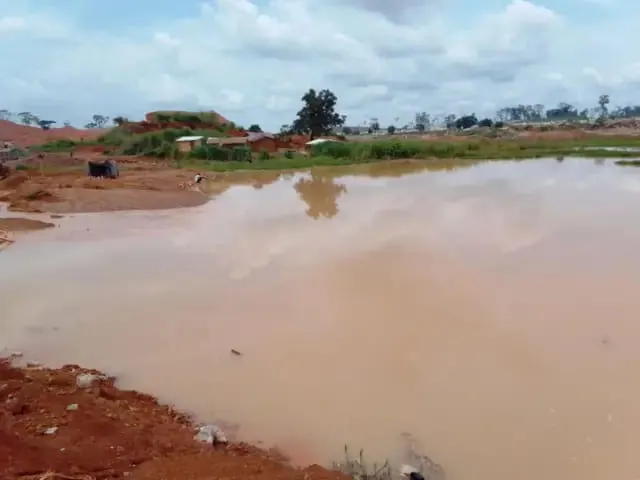
The environmental impact of mining activities in the Mambasa territory of Ituri province in the Democratic Republic of Congo has been highlighted by an expert. According to a report by the Congolese press agency, the use of chemical products in mining has led to severe pollution of water bodies and degradation of ecosystems. Robert Chedya, the environmental supervisor of Mambasa territory, warned of the dangers of unregulated mining, citing the destruction of natural habitats and loss of biodiversity.
The mining activities, mainly gold extraction, have been carried out using semi-industrial methods, including excavators and other mechanical equipment. This has resulted in significant disruptions to natural environments, including soil degradation, destruction of vegetation, and loss of biodiversity. The expert noted that the disorderly excavation of mining sites, diversion of riverbeds, and accumulation of waste have contributed to pollution and disruption of aquatic habitats.
The environmental damage has also affected local communities, with the stagnation of water in abandoned mining pits posing a risk of drowning and hindering access to agricultural roads. Chedya emphasized that the life of aquatic species in rivers, streams, and rivulets is under threat due to the disruption of their habitats and water contamination. He warned that the degradation of soil and subsoil with mining waste and changes to the soil surface can destroy animal habitats, lead to the disappearance of living organisms, and compromise ecosystem balance.
The expert recommended that provincial authorities suspend certain mining techniques deemed particularly destructive, including those known locally as "sous-courant" and "pistolet". Chedya's concerns were echoed by the Congolese press agency, which highlighted the need for urgent action to mitigate the environmental damage caused by unregulated mining. The agency noted that the situation requires a comprehensive approach to address the environmental, social, and economic impacts of mining.
The environmental impact of mining in Ituri province has significant implications for the region's ecosystems and local communities. The degradation of natural habitats and loss of biodiversity can have long-term consequences for the region's ecological balance. Furthermore, the pollution of water bodies and soil can affect agricultural productivity and human health, exacerbating existing challenges in the region.
The Congolese government has been urged to take action to regulate mining activities and prevent further environmental damage. The country's environmental regulations require mining companies to adhere to strict environmental standards, but enforcement has been inconsistent. The situation in Ituri province highlights the need for stronger environmental governance and regulation to protect the country's natural resources.
The issue of environmental degradation in Ituri province has sparked concerns among local communities, environmental groups, and government agencies. Efforts are underway to address the environmental impact of mining, including initiatives to promote sustainable mining practices and rehabilitate degraded ecosystems. However, more needs to be done to address the scale and complexity of the problem.
Key points
- Unregulated mining activities in Ituri province have caused severe environmental damage, including pollution of water bodies and degradation of ecosystems.
- The use of chemical products in mining has contributed to environmental damage, including soil and water pollution.
- Provincial authorities have been urged to suspend certain mining techniques deemed particularly destructive to prevent further environmental damage.