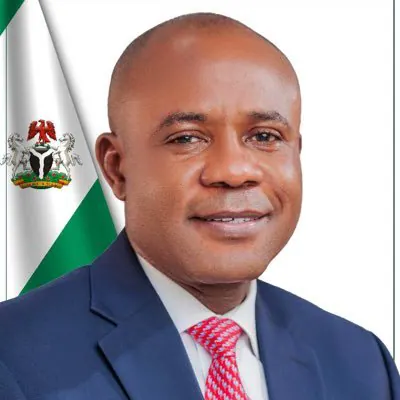
The concept of good governance in Nigeria has been redefined, where public leaders are celebrated for performing their basic duties. This has led to a situation where the people prioritize infrastructure development over essential services like education, healthcare, and poverty alleviation. The Enugu State government has invested heavily in infrastructure projects, including 260 "Smart Green Schools," a "New Enugu Smart City" project, and modernized primary health centers.
Despite these achievements, concerns have been raised about the effectiveness of the government's priorities. The smart school initiative, for example, has been criticized for masking the collapse of basic education. Many rural public schools have been abandoned, leaving them with teacher deficits. The government's focus on infrastructure development has also led to complaints of shoddy work, embezzlement, and shady contract awards.
The Enugu State government's internally generated revenue (IGR) has increased significantly, from N26.8 billion to over N406.8 billion. However, this increase has not translated to improved human development indices like poverty alleviation, affordable healthcare, and quality public education. The government's priorities have been questioned, with many arguing that basic human needs should take precedence over infrastructure development.
The bus terminal initiative, another flagship project of the government, has also faced criticism. Commercial drivers have lamented that the sudden transition to state-backed Compressed Natural Gas (CNG) buses and enforced terminal routes has threatened their livelihoods. The government's failure to engage with stakeholders and secure citizen buy-in has been cited as a major flaw in its approach to governance.
The rural healthcare project in Enugu State has also faced significant challenges. State interference in local government autonomy has undermined healthcare service delivery, with rural health centers struggling with a lack of qualified medical personnel, no reliable power supply, and a scarcity of affordable essential drugs. The poorest citizens have been left to bear the brunt of these challenges.
A proactive and pragmatic government would have deployed a stakeholder engagement strategy to secure citizen buy-in for efficiency and productivity. The government's focus on infrastructure development has also raised concerns about accountability, transparency, and the rule of law. The people of Enugu State are yet to see the tangible benefits of the government's investments in infrastructure.
As the Enugu State government looks to the future, it is essential that it prioritizes basic human needs over infrastructure development. The government must engage with stakeholders and ensure that its policies and programs are responsive to the needs of the people. Ultimately, good governance is not just about infrastructure development, but about improving the standard of living and overall well-being of the masses.
Key points
- The Enugu State government's prioritization of infrastructure development over basic human needs has sparked concerns about the effectiveness of its governance.
- The government's focus on infrastructure development has not translated to improved human development indices like poverty alleviation, affordable healthcare, and quality public education.
- The government's failure to engage with stakeholders and secure citizen buy-in has been cited as a major flaw in its approach to governance.