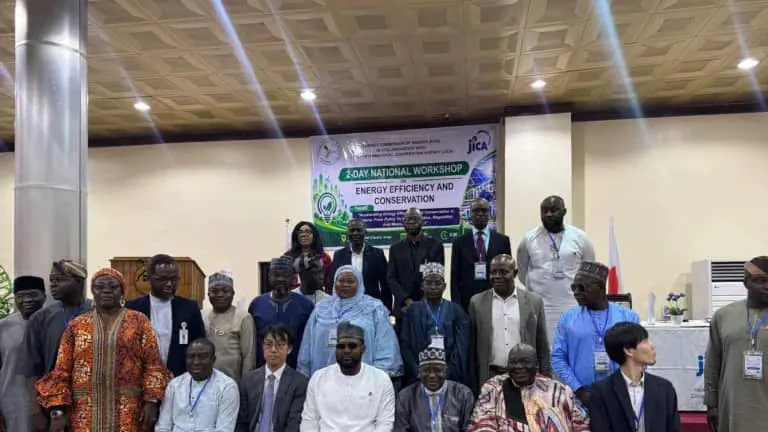
The Energy Commission of Nigeria (ECN) has urged the government to implement stricter energy efficiency policies and standards to reduce energy costs and enhance productivity nationwide. This call was made by the ECN's Director-General, Dr. Mustapha Abdullahi, at a national workshop in Abuja on September 29, 2026. The workshop, co-organized with the Japan International Cooperation Agency (JICA), focused on transitioning energy efficiency policies from paper to actionable results.
The two-day workshop, themed “Accelerating Energy Efficiency and Conservation in Nigeria: From Policy to Implementation, Regulation and Measurable Impact,” brought together stakeholders to discuss practical steps for achieving energy efficiency. Dr. Abdullahi emphasized that energy efficiency and conservation should be viewed as an additional source of energy, as they do not require new generation capacity but rather better utilization of existing energy resources.
The Permanent Secretary of the Ministry of Transportation, Mr. Olufunso Adeyemi, represented by Deputy Director Mr. David Franklin, expressed the ministry's commitment to collaborating with the ECN and other stakeholders to promote sustainable energy policies. Adeyemi highlighted that energy efficiency is not merely about reducing energy consumption but using energy more intelligently to derive greater economic and social benefits.
Mr. Ishigame Keiji, Chief Representative of the JICA Nigeria Office, noted that Nigeria must adopt improved energy efficiency technologies to address population growth, urbanization, industrialization, and increasing electricity demand. He suggested that Nigeria could learn from Japan's experience, where energy management systems, efficient technologies, standards, and regulatory frameworks have significantly enhanced energy productivity.
The workshop aimed to move beyond policy discussions and focus on the implementation and regulation of energy efficiency measures. Participants explored strategies for achieving measurable impacts in energy conservation and efficiency. The collaboration between ECN and JICA underscores the importance of international cooperation in addressing Nigeria's energy challenges.
Energy efficiency is critical to Nigeria's economic development, environmental sustainability, and national energy security, according to the Ministry of Transportation. The ministry's commitment to working with the ECN and other stakeholders reflects a broader effort to promote sustainable energy practices across various sectors.
The call for tougher policies on energy efficiency comes as Nigeria faces significant energy challenges, including high energy costs and inadequate supply. The implementation of effective energy efficiency measures is expected to contribute to economic growth, reduce environmental impact, and enhance the overall quality of life for Nigerians.
Key points
- The Energy Commission of Nigeria and JICA are pushing for stricter energy efficiency policies to reduce energy costs and boost productivity.
- Energy efficiency is critical to Nigeria's economic development, environmental sustainability, and national energy security.
- Nigeria can draw lessons from Japan's experience in energy management systems and efficient technologies.