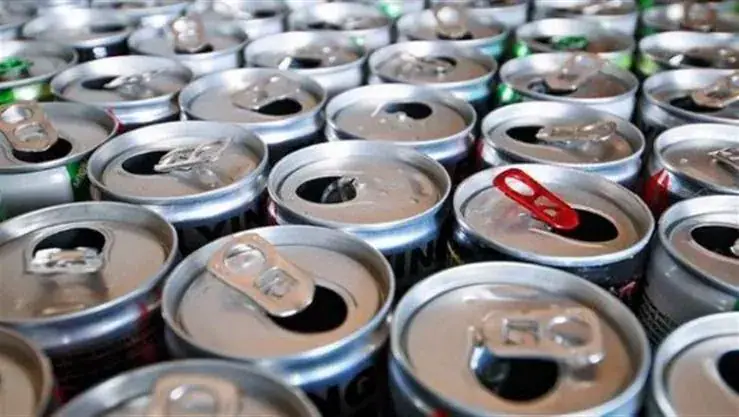
Energy drinks have become increasingly popular, especially among young people, students, and athletes, due to their claimed ability to boost energy, concentration, and endurance. However, health experts warn that excessive consumption of these drinks can have negative effects on the body. According to the National Center for Complementary and Integrative Health, energy drinks contain high levels of caffeine, sugars, and other stimulants that can impact bodily functions.
The main health risks associated with energy drinks are related to their impact on the cardiovascular system. High levels of caffeine can cause rapid heartbeat, high blood pressure, and irregular heart rhythms in some individuals. The National Center for Complementary and Integrative Health notes that excessive consumption of energy drinks may be linked to cardiovascular problems, and that these risks may be greater for people with pre-existing heart conditions or a family history of heart rhythm disorders.
The effects of energy drinks are not limited to the heart, as high levels of caffeine can also cause insomnia, anxiety, and restlessness, particularly when consumed in large quantities or in the evening. The American Academy of Pediatrics recommends that children and adolescents avoid consuming energy drinks due to their sensitivity to stimulants. Furthermore, energy drinks often contain high levels of added sugars, which can contribute to weight gain and increase the risk of sugar-related health problems.
Some energy drinks also contain other stimulants, such as guarana, which contains caffeine, potentially increasing the total amount of stimulants consumed without the individual's knowledge. The British newspaper The Guardian reported on warnings from doctors about the potential risks of excessive energy drink consumption on heart health, citing concerns about a possible link to increased risk of heart disease and stroke.
The Associated Press also reported on warnings from doctors about the impact of energy drinks on the health of children and adolescents, particularly due to their high caffeine and stimulant content, which can lead to irregular heartbeats, high blood pressure, and sleep problems. Health experts emphasize that the energy boost provided by these drinks is temporary and does not replace the need for rest and sleep.
The American Academy of Pediatrics and other health organizations recommend that children and adolescents avoid energy drinks altogether. Additionally, individuals with pre-existing heart conditions, high blood pressure, or sleep disorders should exercise caution and consult with a doctor before consuming energy drinks. Moderation and awareness of the ingredients in food products are essential for maintaining good health.
In conclusion, while energy drinks may provide a temporary energy boost, the potential health risks associated with their consumption cannot be ignored. It is essential for individuals to be aware of the ingredients in these drinks and to consume them in moderation, if at all. By prioritizing a balanced diet and healthy lifestyle, individuals can maintain their energy levels and overall well-being without relying on energy drinks.
Key points
- Energy drinks contain high levels of caffeine, sugars, and other stimulants that can impact bodily functions.
- Excessive consumption of energy drinks may be linked to cardiovascular problems, insomnia, anxiety, and restlessness.
- Children and adolescents should avoid consuming energy drinks due to their sensitivity to stimulants.