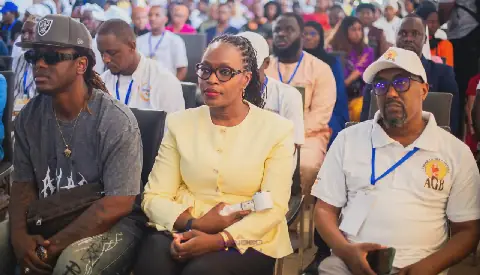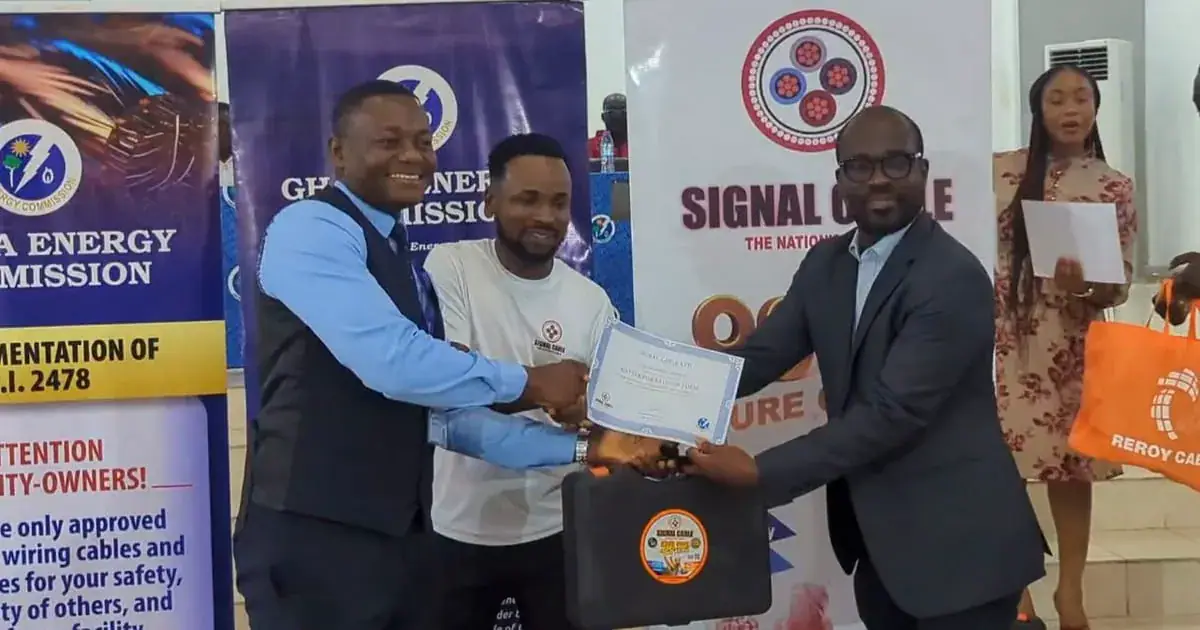
The Energy Commission of Ghana has issued a warning to electric car owners against charging their vehicles from ordinary household sockets. According to Mohammed Mikdad, Head of Investment and Partnership at the Commission, using a wall socket to charge an electric car can create serious risks, including overheating, electrical fires, and electrocution. This warning was made at the Chartered Institute of Logistics and Transport's NextGen Summit in Accra on Friday.
Mikdad emphasized that an electric vehicle is not simply another vehicle that happens to use electricity, and therefore requires special charging considerations. He urged fleet managers, transport firms, businesses, and individuals charging at home to use certified installations instead of ordinary household sockets. The Commission requires approval before a charger is installed, and individuals, companies, and institutions must obtain this approval before installing or operating a charging station or battery-swap system.
The Energy Commission's public notice PN011112025, which relies on the Energy Commission Act, 1997 (Act 541), states that skipping the approval process is a breach of the Act and can result in sanctions. The Commission has advised consumers to hire certified electrical professionals for the installation of charging stations. Nana Kwame Yeboah, assistant manager for inspections and enforcement, confirmed that certified professionals can install charging stations that meet safety standards.
In February, the Commission's Board reviewed draft rules for home, workplace, and public chargers at a meeting in Ho. The chairman, Professor John Gartchie Gatsi, emphasized that every charging point must meet a safety standard. The Commission is also studying how charging will sit on the grid, and Mikdad noted that the adoption of electric cars should not run ahead of the network or the skills to look after it.
The increasing number of electric cars on the road poses a significant load on distribution lines, and Mikdad stressed the need for more technicians trained to service the cars. He also called for a proper route for recycling used batteries. While he did not provide a figure for the number of electric cars currently in Ghana, he emphasized the importance of responsible and safe charging practices.
The Energy Commission is working to regulate the installation of charging stations, and a regulation is currently before Parliament. Joyce Ocansey, manager of the Drive Electric programme, confirmed that the Commission is taking steps to ensure that charging infrastructure is developed in a way that is safe and sustainable.
In conclusion, the Energy Commission's warning against charging electric cars from ordinary household sockets is a timely reminder of the importance of safety and responsible practices in the adoption of electric vehicles. As the number of electric cars on Ghana's roads continues to grow, it is crucial that owners and operators take the necessary precautions to ensure safe and efficient charging.
Key points
- The Energy Commission warns against charging electric cars from ordinary household sockets due to risks of overheating, electrical fires, and electrocution.
- The Commission requires approval before a charger is installed, and individuals must obtain this approval to avoid sanctions.
- Certified electrical professionals must install charging stations to ensure safety standards are met.