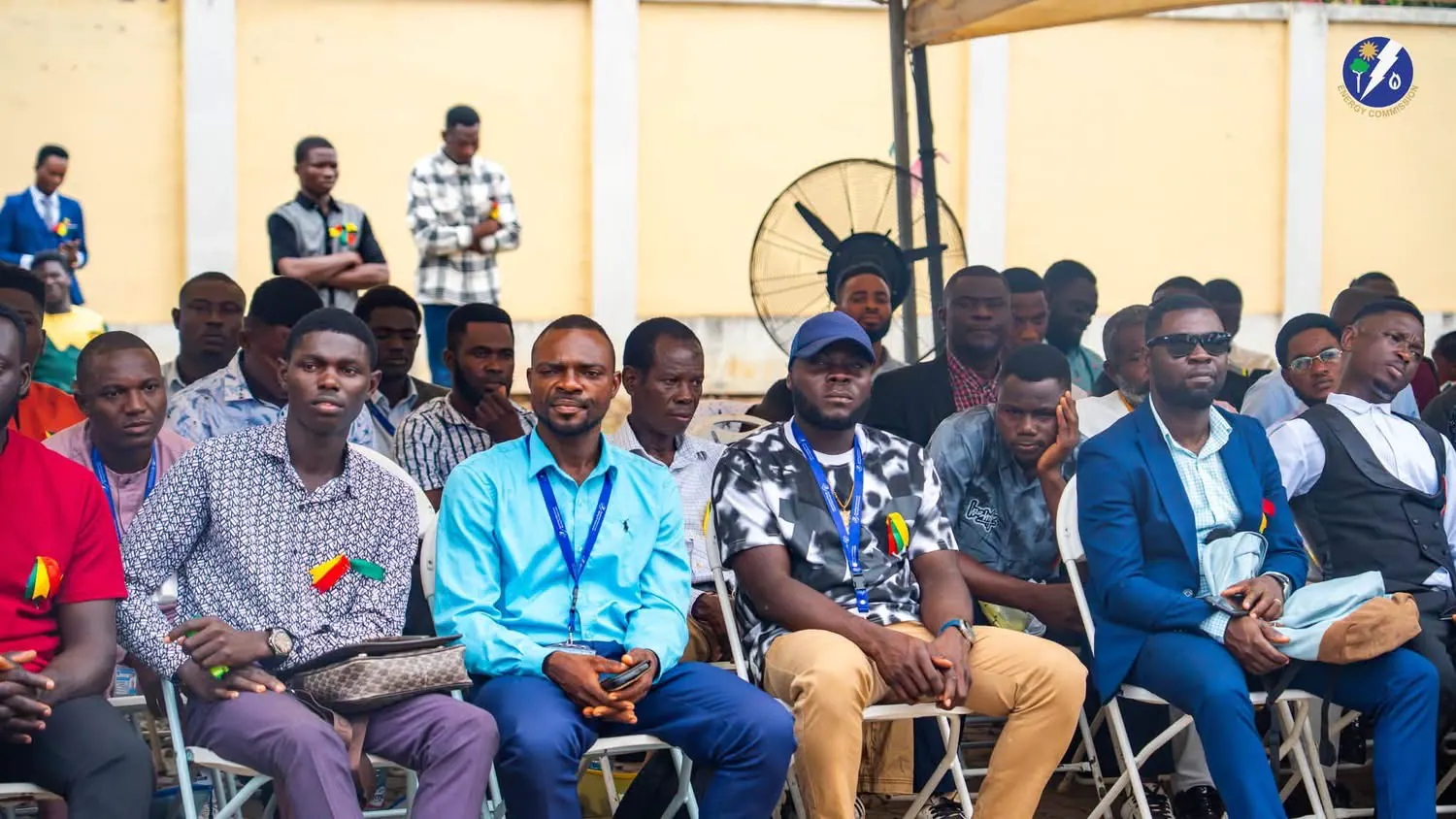
The Energy Commission of Ghana has certified 884 electrical wiring professionals after they successfully completed the May/June 2026 certification examination. A total of 1,036 candidates sat for the examination. The certification programme aims to strengthen Ghana's technical workforce and improve safety standards, particularly with the emergence of new energy technologies such as electric vehicles, solar systems, and battery storage. This latest certification brings the total number of professionals certified under the programme to 19,442.
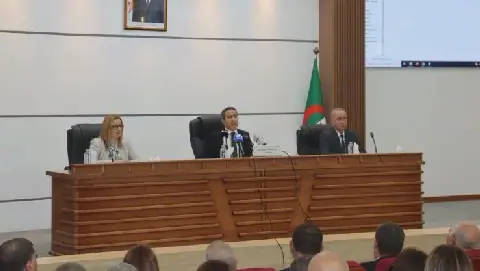
The Electrical Wiring Certification programme is part of the Energy Commission's efforts to enhance safety and standards in the industry. Acting Executive Secretary of the Energy Commission, Adwoa Serwaa Bondzie, highlighted the importance of the programme in ensuring that professionals are equipped to handle new energy technologies. The programme has been instrumental in promoting safety and standards in the electrical wiring industry, and the Commission remains committed to setting standards that promote innovation and protect consumers.
The Energy Commission, in collaboration with the Ministry of Energy and Green Transition, is developing a national platform to track electric vehicle charging stations and monitor related data. The platform will provide information on charging infrastructure, energy consumption, faults, and outages, while supporting better planning and helping the Commission assess the impact of electric vehicle charging on the national electricity grid. This initiative is expected to enhance the Commission's ability to regulate and monitor the growth of electric vehicle charging infrastructure.
According to Adwoa Serwaa Bondzie, the national platform will enable the Commission to track every charging point in Ghana, providing valuable data on energy consumption and charging patterns. This information will allow for better planning and help the Commission assess the impact of electric vehicle charging on the national electricity grid. The platform is expected to be a crucial tool in regulating the growth of electric vehicle charging infrastructure and ensuring that it is done in a safe and sustainable manner.
Board Member of the Energy Commission, Professor Ernest Ofori Asamoah, emphasized the need for a significant expansion of electric mobility and a corresponding increase in the number of skilled professionals able to install and maintain related infrastructure. He noted that Ghana's clean energy transition would require a substantial increase in electric vehicles, which would lead to a growing demand for charging infrastructure and other specialised electrical systems. By 2040, Ghana is expected to ban the importation of petrol and diesel cars, further emphasizing the need for skilled professionals.
Professor Ofori Asamoah highlighted that with 35 percent of vehicles expected to be electric, there would be a significant need for professionals to install and maintain charging systems and other related infrastructure. He emphasized that the growth of electric vehicles would require a corresponding increase in skilled professionals to ensure that the necessary infrastructure is in place to support it. The Energy Commission's certification programme is a step in the right direction in addressing this need.
Deputy Director-General of Operations at the Ghana Standards Authority (GSA), Dr Awal Mohamed, advised electricians to maintain high professional standards and avoid undertaking work outside the scope of their certification. He emphasized that certified practitioners had a crucial role to play in curbing unsafe electrical wiring practices and promoting public safety. The Energy Commission's certification programme is expected to continue to play a vital role in promoting safety and standards in the electrical wiring industry.
Key points
- The Energy Commission has certified 884 electrical wiring professionals, bringing the total number of certified professionals to 19,442.
- The Commission is developing a national platform to track electric vehicle charging stations and monitor related data.
- Ghana is expected to ban the importation of petrol and diesel cars by 2040, emphasizing the need for skilled professionals in electric mobility.