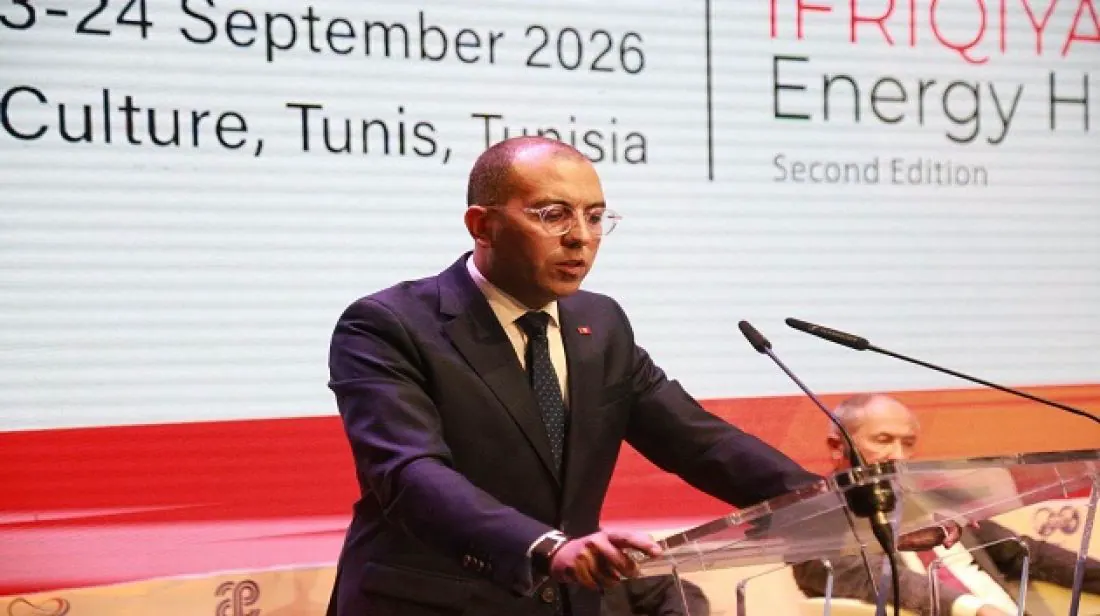
On Wednesday, September 23, 2026, Tunisian Minister of Energy Transition, Wail Chouchane, inaugurated the second edition of the African Energy Forum in the capital city. The event, themed "Leadership and Cooperation for a Secure and Sustainable Future," brought together over 200 participants to discuss the continent's energy landscape. Chouchane emphasized the crucial role of energy in achieving economic sovereignty and industrial competitiveness.
Chouchane highlighted that the decisions made today regarding infrastructure, diversification of energy sources, and technological development will determine the future of economic systems and their ability to meet increasing energy demands while controlling production costs. He noted that fossil fuels still play a significant role in achieving energy balance, alongside the opportunities provided by renewable energies to diversify supply sources and enhance energy independence.
The Tunisian minister stressed the importance of energy efficiency in reducing energy consumption and improving the performance of industrial institutions. He also emphasized the growing role of modern technologies, such as digitalization, artificial intelligence, smart grids, and storage solutions, in developing energy infrastructure management. Chouchane stated that energy transition has become a strategic priority for Tunisia, given the strong link between energy security and economic competitiveness.
Tunisia has been facing an energy deficit and has embarked on a gradual path to transform its energy system, focusing on developing renewable energies and controlling demand through energy efficiency and supporting industrial competitiveness. The country has implemented investment programs in renewable energies, with several solar power plants already operational and new projects underway. Chouchane highlighted the importance of self-production of electricity from renewable energies.
Chouchane also emphasized the significance of international and regional partnerships in supporting the energy transition, whether through financing infrastructure, transferring technology, or developing skills. He noted that Tunisia's geographical location and historical relationships with regional and international partners provide a unique opportunity for cooperation. The minister cited the long-standing energy cooperation between Tunisia and Algeria.
The partnership between Tunisia, Italy, and the European Union has also shown new dynamics, particularly through the ELMED project, which aims to connect the electrical grids of Tunisia and Italy and develop energy exchanges between the two sides of the Mediterranean. Chouchane's statements reflect the country's commitment to achieving a sustainable energy future and promoting economic growth.
The African Energy Forum has brought together experts and officials to discuss the continent's energy challenges and opportunities. The event provides a platform for stakeholders to share experiences, explore new technologies, and identify potential partnerships to drive the energy transition in Africa. As the forum continues, participants are expected to address key issues, including financing, policy, and technology.
Key points
- Tunisia's energy transition is a strategic priority, driven by the need to achieve energy security and economic competitiveness.
- The country is investing in renewable energies, energy efficiency, and modern technologies to transform its energy system.
- International and regional partnerships are crucial in supporting Tunisia's energy transition.