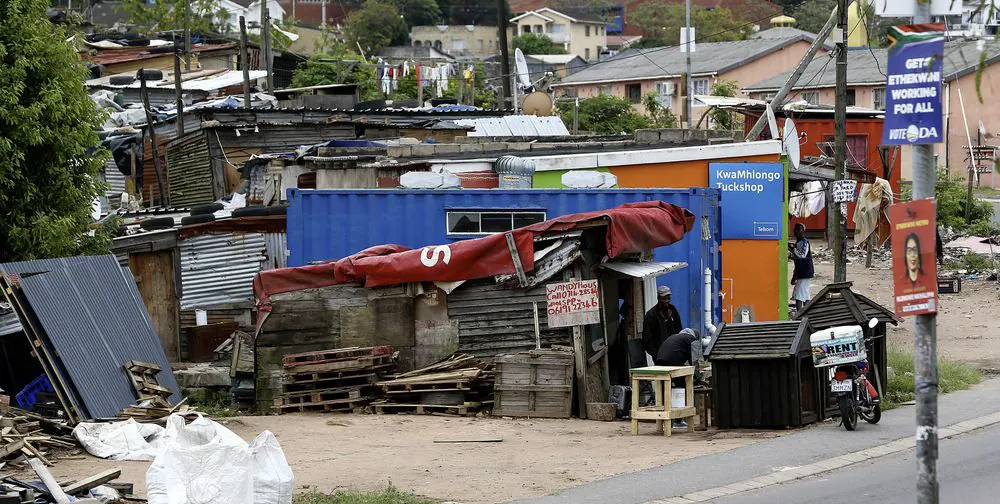
Residents of informal settlements in Phoenix and Chatsworth, South Africa, are expressing mixed feelings about the impact of their vote in the upcoming 2026 local government elections. Many are citing poor services, housing insecurity, and broken promises as key factors that will influence their decision to vote, switch parties, or stay away. In the Brookesfarm Informal Settlement in Westham, Phoenix, and the KwaMhlongo Informal Settlement in Crossmoor, Chatsworth, residents are sharing their concerns and hopes for change.
Neeta Soobramoney, a 54-year-old unemployed resident of Brookesfarm Informal Settlement, is eager to vote for a new party in the upcoming elections. She has been living in the settlement for 27 years and previously rented properties in Phoenix. Soobramoney's experience with a candidate councillor who was attentive to her needs has made her hopeful that this time, her vote will count. She is seeking help with issues such as exempting her granddaughters from paying school fees and addressing service delivery problems, including the lack of bin packets and leaking structures.
Soobramoney's mother, Radhamathie Sanichara, 78, is unsure who she will vote for, citing disappointment with previous politicians who made empty promises. As a widow, Sanichara understands the importance of her vote and wants a better-led country for the future of her great-granddaughters. She believes that voting is crucial for having a say in how the country is run and for ensuring a good education for the younger generation. Sanichara has been living in Brookesfarm for 27 years and is hoping for tangible change.
Tanya Mtolo, a 34-year-old unemployed mother of five, is not planning to vote in the upcoming elections. She previously voted in the 2021 local government elections but was disappointed with the lack of benefits she received. Mtolo's greatest concern is providing a better life for her children, including access to proper housing. She is frustrated with the current state of her home, which has holes everywhere and is infested with insects. Mtolo believes that politicians make empty promises and then disappear.
In the KwaMhlongo Informal Settlement, Lonisha Govender, 28, is looking for a candidate who will support educational opportunities and bring tangible change to her family and community. She plans to vote for the same party she voted for in 2021, citing trust in their policies. Govender is currently pursuing her Adult Basic Education and Training (ABET) Level 4 and hopes to study nursing and become a doctor one day. She believes that voting is essential for creating educational resources and opportunities for her children.
Govender's neighbour, Thembeni Nsele, 36, is undecided on who to cast her vote for. She has previously voted for the same party but is now seeking change. Nsele moved to Durban nine years ago to pursue a career as a security officer but was unable to find employment and ended up in the informal settlement. She "bought" her home for R10 000 and is hoping that a new councillor will remember the needs of her community.
Zanele Ngobese, the spokesperson for Abahlali baseMjondolo, a socialist shack dwellers' movement in South Africa, is encouraging every person to vote. She acknowledges that many people are unhappy with the government's performance but believes that casting their votes is their right and a way to have their voices heard. Ngobese notes that despite councillor candidates making false promises, they will still engage with them, hoping that the communities' pleas and concerns will be heard.
Key points
- Residents of informal settlements in Phoenix and Chatsworth cite poor services, housing insecurity, and broken promises as key factors influencing their voting decisions.
- Many residents are seeking tangible change, including access to proper housing, educational opportunities, and improved service delivery.
- Despite disappointment with previous politicians, many residents still believe that voting is crucial for having a say in how the country is run.