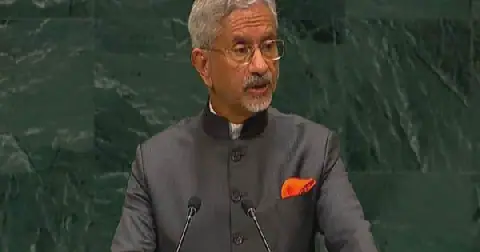
On September 26, 2026, a significant event unfolded at the 81st session of the UN General Assembly in New York. As Israeli Prime Minister Benjamin Netanyahu took the stage, over 77 diplomatic delegations from various countries withdrew from the hall, showcasing a growing diplomatic isolation. This act was seen as a form of protest against Israel's ongoing conflict with Palestine, particularly its actions in the West Bank and Gaza Strip.
Netanyahu attempted to spin the situation to his advantage, labeling the withdrawn delegations as cowards and vowing to continue fighting. He dismissed accusations of Israel committing genocide in Gaza, stating, "We will prevail; we have no other choice." This speech came as Netanyahu faces increased scrutiny, both domestically and internationally, including a warrant for his arrest issued by the International Criminal Court in 2024 on charges of war crimes and crimes against humanity.
The Prime Minister's address was aimed at two primary audiences: the Israeli public, with elections approaching, and the American public, as Israel faces waning support globally. Despite the withdrawal of delegations being perceived as an embarrassment, Netanyahu's supporters reinterpreted it as a sign of Israel's resilience and the world's hypocrisy. This incident highlighted the challenges Netanyahu faces, both in maintaining domestic support and navigating international diplomacy.
The event drew significant media attention worldwide, with many outlets focusing on the empty hall as a symbol of Israel's growing isolation. This comes amid ongoing operations in Gaza and the West Bank and follows the ICC's arrest warrant against Netanyahu. The media coverage suggested a decline in Israel's international standing, particularly among younger generations.
The reaction to Netanyahu's speech and the delegations' withdrawal has implications for Israel's diplomatic relationships and its international image. It underscores the increasing criticism of Israel's actions and the potential for strengthened diplomatic pressure. The incident may also influence discussions around sanctions or restrictions against Israel, including cultural and sports boycotts.
The empty hall at the UN General Assembly serves as a metaphor for the changing international perception of Israel under Netanyahu's leadership. While the immediate practical impact of such protests may be limited due to existing protections like US veto power in the Security Council, they contribute to a growing narrative of disapproval and could influence future policy shifts.
The diplomatic fallout and Netanyahu's continued defiance highlight the complexities of the Israeli-Palestinian conflict and the role of international diplomacy in addressing it. As Israel faces increased isolation, the path forward remains uncertain, with potential implications for both regional stability and Israel's relationship with its global partners.
Key points
- Netanyahu's appearance at the UN General Assembly was met with a significant diplomatic boycott, reflecting growing international disapproval of Israel's actions in Palestine.