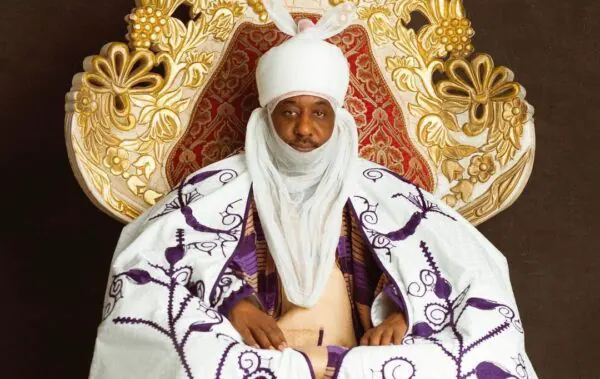
The Emir of Kano, Lamido Sanusi, has expressed concerns about the impartiality of Nigeria's anti-corruption agencies, suggesting that political connections may influence the handling of corruption cases. In an interview with Channels Television, Mr Sanusi questioned the genuineness of certain anti-corruption cases, highlighting the continued detention of former Kaduna State Governor, Nasir El-Rufai. He emphasized that enacting laws to combat corruption is insufficient without strong, independent institutions capable of investigating, prosecuting, and adjudicating cases impartially.
Mr Sanusi stressed that existing laws need to be implemented better, and institutions responsible for identifying and prosecuting corrupt individuals must be empowered to do so without bias. He alleged that some corruption cases have been dropped due to the suspects' political connections or belonging to the "right political environment". This, he said, undermines public confidence in the rule of law and raises questions about the consistency of the anti-corruption campaign.
The Emir of Kano cited the treatment of Mr El-Rufai, whom he referred to as his brother, as an example of selective prosecution. Mr El-Rufai has been in detention for seven months without being convicted of any crime. Mr Sanusi warned that such practices lead citizens to question the integrity of legal proceedings, wondering if the fight against corruption is being used as a political tool.
Mr Sanusi asserted that Nigeria will not make meaningful progress until political leaders and judicial authorities commit to applying the law strictly for its intended purpose. He emphasized that while legal reforms are welcome, institutions must be empowered to enforce them without bias. The Emir's remarks come days after Mr El-Rufai said many of his allies and associates had distanced themselves or remained silent since his detention by the ICPC.
Mr El-Rufai is currently facing trial over allegations of corruption and money laundering, charges he continues to contest in court. His detention has raised concerns about the fairness of Nigeria's anti-corruption agencies and the potential for political persecution. The ICPC has not commented on the matter.
The Emir's comments have sparked a renewed debate about the effectiveness of Nigeria's anti-corruption efforts and the need for institutional reforms. Many Nigerians have expressed concerns about the selective prosecution of corruption cases and the use of anti-corruption agencies as a tool for political expediency.
Mr Sanusi's criticism of Nigeria's anti-corruption efforts highlights the challenges faced by the country in its fight against corruption. The Emir's call for strong, independent institutions and the strict application of the law is seen as a crucial step towards ensuring that anti-corruption efforts are fair and effective.
Key points
- The Emir of Kano, Lamido Sanusi, has questioned the fairness of Nigeria's anti-corruption agencies, citing the detention of former Kaduna Governor Nasir El-Rufai.
- Mr Sanusi emphasized the need for strong, independent institutions capable of investigating, prosecuting, and adjudicating cases impartially.
- The Emir's comments have sparked a renewed debate about the effectiveness of Nigeria's anti-corruption efforts and the need for institutional reforms.