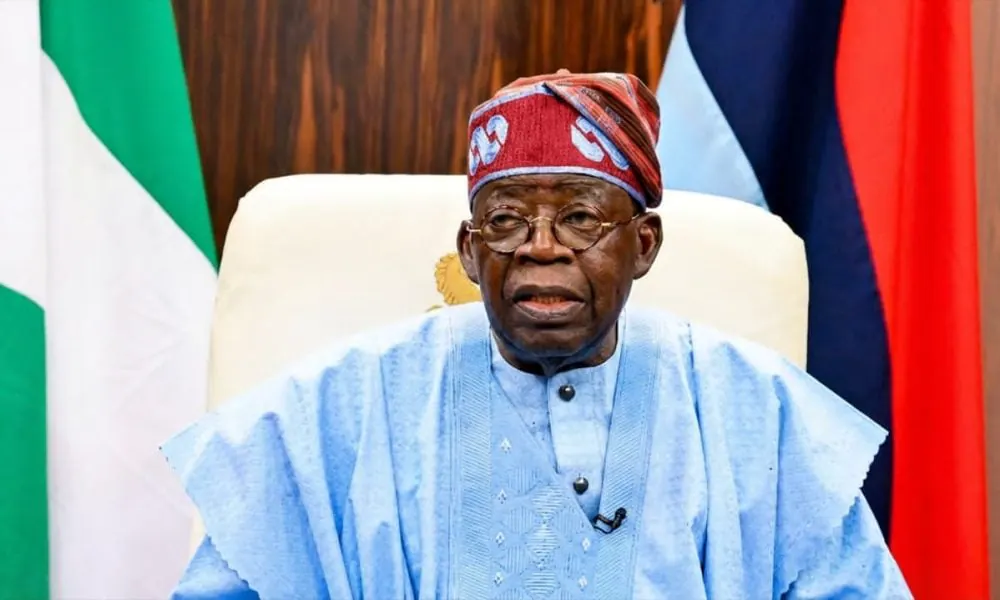
On October 1, 2026, President Bola Tinubu addressed Nigerians on the country's Independence Day, reflecting on the economic reforms his administration implemented over the past three years. He emphasized that these reforms were necessary to address longstanding economic issues, rather than being the cause of the difficulties faced by Nigerians. Tinubu used the analogy of a cancer patient undergoing painful treatment to illustrate the need for these reforms.
According to Tinubu, the previous economic arrangements in Nigeria were unsustainable, and successive governments had postponed making difficult decisions. He stated that the reforms have started to show positive results, including an economic growth rate of over four percent, lower inflation, higher foreign reserves, and a more stable foreign exchange market. These changes are visible to international institutions, investors, and other observers.
The President highlighted the growth of non-oil exports, which generated more than $6 billion in 2025. He attributed the current economic stability to the reforms and emphasized that the government would now focus on translating this stability into broader prosperity for Nigerians. Tinubu acknowledged that the reforms had created real difficulties for citizens but maintained that abandoning them would reverse the progress made.
Tinubu described the current state of the economy as having reached a turning point after three years of adjustments. He called on Nigerians to support the next phase of the government’s economic programme, which will focus on creating jobs, promoting enterprise and industrial production, and reducing living costs. The President expressed confidence that with continued support, Nigeria can achieve greater economic prosperity.
The President's address came amid concerns about the impact of economic reforms on Nigerians. He emphasized that the emergency phase of the reforms is over and that the government is now focused on sustainable growth and development. Tinubu's administration has been working to address the country's economic challenges, including low productivity and high inflation.
Tinubu's economic reforms have been a subject of discussion among Nigerians, with some expressing concerns about the difficulties faced during the adjustment period. However, the President maintained that the reforms were necessary to address the root causes of the country's economic issues. He encouraged Nigerians to look beyond the current challenges and focus on the future prospects of the economy.
The government's focus on jobs, enterprise, and industrial production is expected to drive economic growth and reduce living costs. With the emergency phase of the reforms over, Tinubu's administration is now working to consolidate the gains made and drive sustainable economic development. The President's address on Independence Day was seen as an effort to reassure Nigerians about the government's commitment to their economic well-being.
Key points
- President Bola Tinubu marks end of emergency economic reforms in Nigeria.
- Nigeria's economy shows signs of stability with growth rate of over four percent.
- Government to focus on jobs, enterprise, and industrial production in next phase.