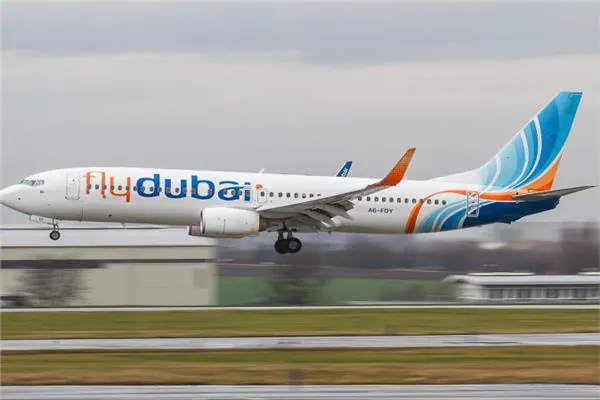
The recent incident involving a FlyDubai plane that made an emergency landing in Tabuk, Saudi Arabia, has brought attention to international emergency codes used by aircraft to communicate with air traffic control. The codes, 7500, 7600, and 7700, each signify different situations, ranging from unlawful interference to loss of radio communication and general emergency situations. According to the Federal Aviation Administration (FAA), these codes are part of a unified international system used by aircraft through their transponder devices.
The code 7700 is used to declare a general emergency situation on board an aircraft, which can be due to a technical failure, mechanical issue, medical emergency, or operational conditions that threaten the safety of the flight. When activated, this code appears on air traffic control screens, alerting controllers to prioritize the aircraft and provide a safe route. It also prompts emergency teams on the ground to prepare for the aircraft's arrival. The use of 7700 does not necessarily mean the aircraft is in imminent danger but indicates a situation that requires urgent handling.
The code 7500 is reserved for situations involving unlawful interference, including hijacking or illegal control of the aircraft, as well as security threats that affect its safe operation. This code is of particular importance due to its connection to security procedures. When it appears, it alerts air traffic controllers and relevant authorities to a potential threat on board, necessitating coordination with security forces and the implementation of protocols for handling such situations.
The code 7600 indicates a loss of radio communication between the aircraft and air traffic control, which can result from damaged communication equipment or issues preventing two-way communication. In such cases, the pilot attempts to reestablish contact using available frequencies and following established navigation procedures, while air traffic control works to secure the airspace around the aircraft.
The nature of the code used determines the actions taken by aviation authorities. A general emergency situation requires priority and coordination for landing, while unlawful interference situations necessitate security procedures. In cases of lost communication, the focus is on reestablishing contact and ensuring safe air traffic. These codes enable air traffic controllers to quickly identify the situation but do not replace voice communication with the pilot when possible.
The incident involving FlyDubai flight FZ1073, which changed course and landed in Tabuk, Saudi Arabia, due to an incident in the cockpit, highlighted the use of emergency codes 7700 and 7500. The use of these codes does not provide enough information to determine all the details of what happened on board but underscores the importance of international standardized communication systems for aircraft and air traffic control.
The Egyptian aviation authority and international regulators emphasize the significance of understanding and promptly responding to these emergency codes to ensure the safety of flights and passengers. Investigations into incidents like the one involving FlyDubai are crucial for clarifying the circumstances and the actions taken by the crew.
Key points
- The emergency codes 7500, 7600, and 7700 are part of an international system used by aircraft to communicate with air traffic control about different emergency situations.
- Each code has a specific meaning: 7500 for unlawful interference, 7600 for loss of radio communication, and 7700 for general emergency situations.
- Prompt and appropriate response to these codes is critical for ensuring the safety of the aircraft, passengers, and crew.