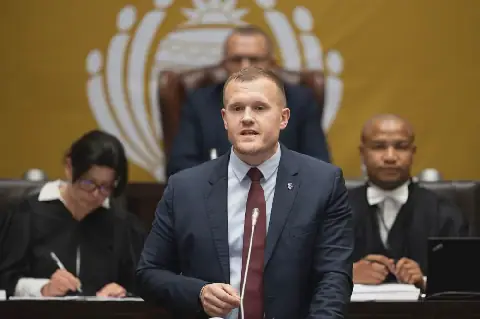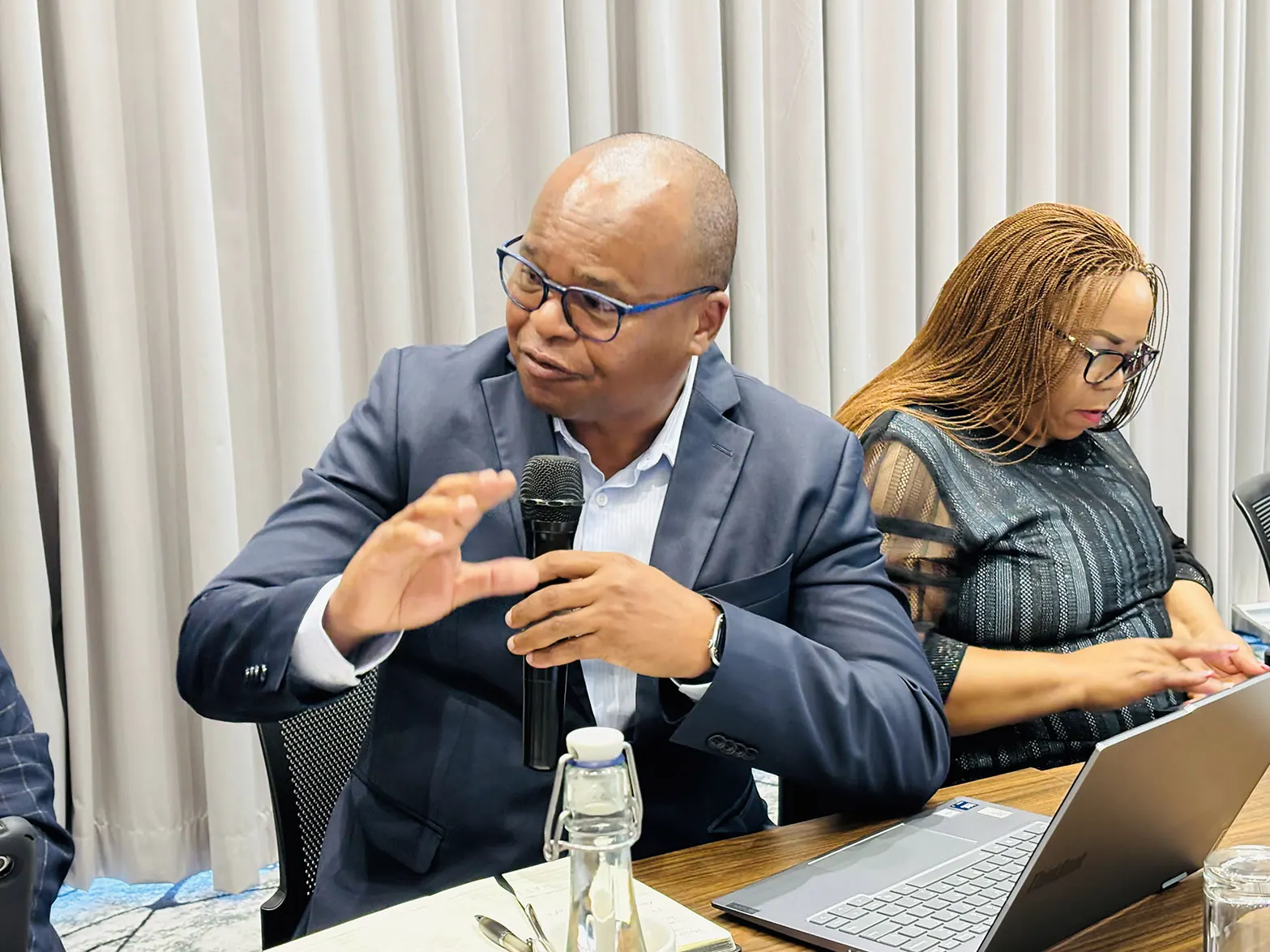
The Citizens Economic Empowerment Council Chairperson, Lincoln Motsa, has expressed confidence that EmaSwati are capable of operating businesses currently dominated by foreign nationals. He made this statement during a workshop on the proposed Citizens Economic Empowerment Act Regulations. The regulations aim to increase citizen ownership and participation in the economy. Motsa emphasized that local entrepreneurs can step into these spaces and operate sustainable businesses.
The proposed regulations seek to reserve a range of economic activities for targeted citizens while requiring greater citizen ownership in larger and strategic businesses. One of the key highlights from the workshop was that foreign-owned businesses could be prohibited from operating on Swazi Nation Land (SNL) under the proposed regulations. This move aims to give EmaSwati greater ownership and control of the economy.
The draft Citizens Economic Empowerment Regulations, 2026, were presented to Members of Parliament during the workshop. The regulations have been developed under Section 40 of the Citizens Economic Empowerment Act No. 18 of 2023. The Act is already law but requires regulations to provide the mechanisms for its implementation. The draft has been vetted by the Attorney General’s Chambers and approved by Cabinet for tabling before Parliament.
The proposed regulations include reserving certain areas of economic activity for targeted citizens. For instance, all retail businesses with an annual turnover below E8 million would be reserved for targeted citizens. This includes general dealers, supermarkets, groceries, pharmacies, hardware businesses, motor spares, and liquor outlets. A broad range of services would also be reserved, including local transport, security services, funeral services, salons, events, arts and crafts, bakeries, and catering businesses.
However, the proposed framework does not completely shut non-citizens out of larger or strategic economic activities. Businesses such as supermarkets and wholesalers with a turnover above E8 million, petrol stations, large agricultural input businesses, and cross-border transport would require joint ventures with citizens. The draft proposes a minimum 50.1 per cent targeted-citizen ownership in such joint ventures.
For quarrying and sand mining, the proposed minimum targeted-citizen ownership would be 25 per cent, subject to the necessary permits. The regulations aim to promote economic empowerment and increase citizen participation in the economy. The workshop brought together parliamentarians, particularly members of the Ministry of Commerce, Industry and Trade Portfolio Committee, to scrutinise and familiarise themselves with the proposed regulations.
The committee is chaired by Kubuta MP Masiphula Mamba. The proposed regulations are expected to be considered by Parliament soon. The Citizens Economic Empowerment Council and other stakeholders have been actively involved in the development of the regulations. The goal is to create a more inclusive and equitable economy that benefits all EmaSwati.
Key points
- EmaSwati are ready to take up economic space currently occupied by foreign-owned businesses.
- The proposed regulations aim to reserve a range of economic activities for targeted citizens.
- Foreign-owned businesses could be prohibited from operating on Swazi Nation Land (SNL) under the proposed regulations.