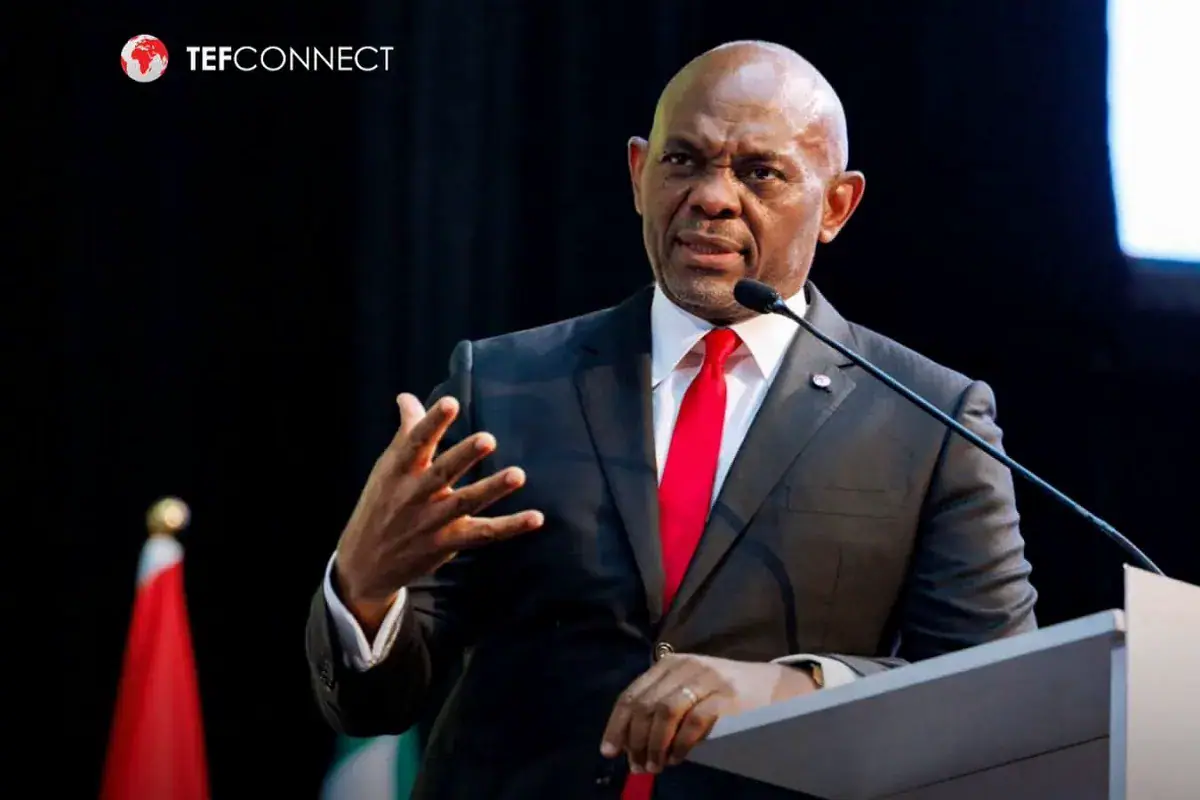
Chairman of Heirs Holdings and Transcorp Group, Tony Elumelu, has highlighted the major challenges hindering Africa's economic growth. These include unreliable electricity, inadequate access to capital, poor value addition, and limited intra-African trade. Elumelu made these remarks during the 25th annual conference of Women in Management, Business and Public Service (WIMBIZ) in Lagos. He emphasized that Africa must prioritize investment in infrastructure, mobilize domestic capital, strengthen institutions, and promote women's participation in economic leadership.
Elumelu described Africa's mineral resources, agricultural potential, youthful population, and expanding consumer market as the greatest commercial opportunity of the 21st century. However, he cautioned that possessing abundant natural resources does not automatically translate into prosperity. He cited Singapore and South Korea as examples of countries that achieved remarkable economic transformation despite limited natural resources. Elumelu emphasized that Africa's potential would remain unrealized without deliberate investments and policy decisions capable of creating an environment for businesses to thrive.
The businessman and founder of the Tony Elumelu Foundation identified electricity as a major requirement for unlocking Africa's economic potential. He stated that industrialization would be difficult without a reliable power supply. Elumelu noted that manufacturing plants, hospitals, schools, and emerging technology industries require stable electricity and adequate connectivity. He stressed that Africa has young, creative minds, but they lack the necessary infrastructure to drive growth.
Elumelu called for a shift from the traditional economic model, where African countries export raw materials and import finished products. He urged governments and businesses to invest in local processing, refining, and manufacturing. According to him, the continent must move beyond extracting and exporting natural resources to creating greater economic value from them. Elumelu argued that Africa should process its lithium, cocoa, and crude oil locally before exporting finished or value-added products to international markets.
On financing, Elumelu emphasized that African countries must reduce their dependence on foreign aid and develop stronger domestic investment capacity through savings and capital formation. He urged African pension funds, insurance companies, banks, and family offices to invest more in businesses and infrastructure across the continent. Elumelu cited his group's investment in Seplat Energy as an example of the potential of African investment.
The Heirs Holdings chairman also identified limited trade among African countries as a major constraint to economic integration. He lamented that it is easier to transport goods from Lagos to Liverpool than from Lagos to Luanda. Elumelu noted that less than 20% of Africa's trade is conducted within the continent, despite the establishment of the African Continental Free Trade Area (AfCFTA). He emphasized that the agreement would achieve little without adequate infrastructure and institutional arrangements to facilitate cross-border commerce.
The Tony Elumelu Foundation has invested over $120m in 24,633 entrepreneurs across 54 African countries, with women accounting for 48%. Foundation-backed businesses have created more than 1.5 million jobs and generated $4.2bn in revenue. Elumelu challenged African governments and business leaders to strengthen institutions, promote women into leadership positions, and create an enabling investment environment to unlock the continent's enormous potential.
Key points
- Urgent reforms are needed to address unreliable electricity, inadequate capital, and poor value addition.
- African countries must prioritize investment in infrastructure and promote women's participation in economic leadership.
- The Tony Elumelu Foundation has invested over $120m in entrepreneurs across Africa, creating jobs and generating revenue.