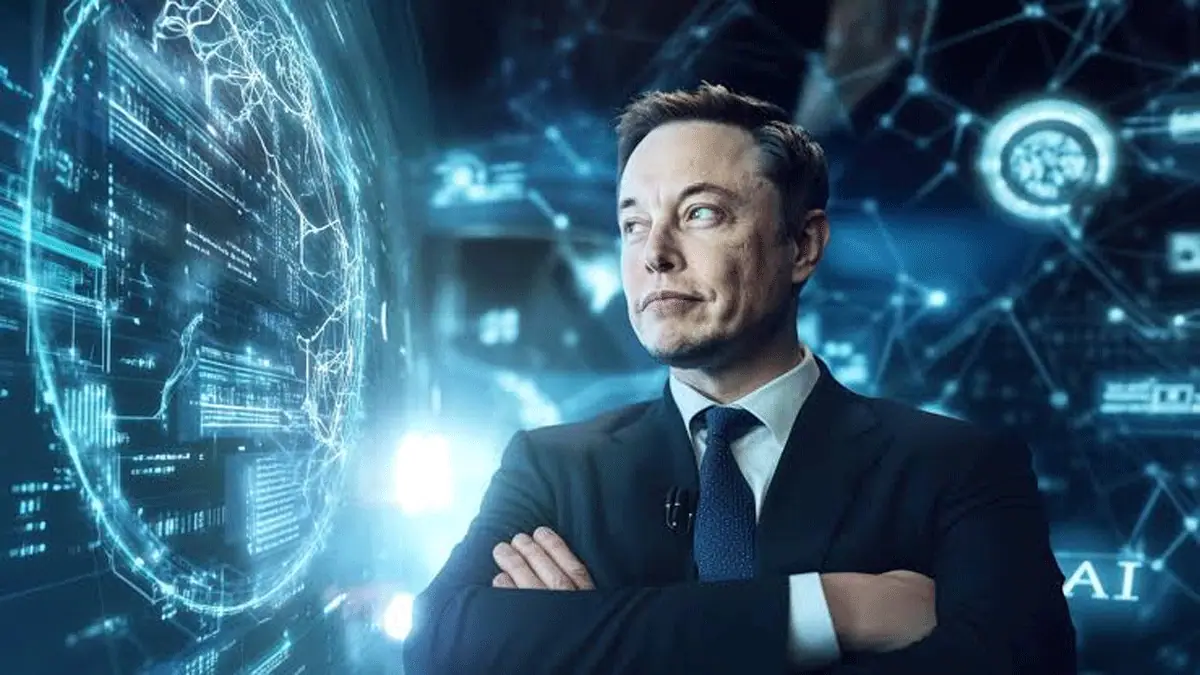
Elon Musk, a prominent entrepreneur, has expanded his influence beyond his wealth and business ventures. His presence in various technological sectors, including electric cars, space infrastructure, satellite communications, social media, and artificial intelligence, has raised questions about the concentration of power and its implications for governments and citizens. Musk's diverse portfolio of companies, including Tesla, SpaceX, X, Neuralink, and xAI, has sparked concerns about the potential for private actors to exert influence in multiple strategic domains.
Musk's influence is not limited to his business ventures, but also extends to the development of critical infrastructure. His companies operate in sectors such as mobility, connectivity, digital technologies, and artificial intelligence, giving him an unusual capacity for influence. This has raised concerns about access to infrastructure, control of technologies, and the ability of public actors to maintain their autonomy. The issue is not just commercial, but also strategic, as governments and users become increasingly dependent on private operators that provide essential services.
The case of Starlink, SpaceX's satellite internet service, illustrates the problematic nature of private companies providing critical infrastructure. While Starlink offers a significant advantage for isolated territories or areas with insufficient traditional networks, it also raises questions about who decides the conditions of access, continuity, and use of the service. This problem highlights the need for diversification of suppliers and governance of digital infrastructure, which has become an economic and political issue.
Historians Quinn Slobodian and Ben Tarnoff have developed the concept of "muskism" to analyze the model in which technological companies not only commercialize products or services but also participate in transforming relationships between the market, institutions, and society. This concept highlights the tension between the promises of technology, which offers greater autonomy and efficiency, and its use, which can reinforce dependence on those who possess or exploit it.
The extension of Musk's activity to artificial intelligence adds another dimension to this reflection. AI is not just a technological market, but also intervenes progressively in the production of information, automation of tasks, and tools used by companies and administrations. Associated with digital platforms and communication infrastructure, AI raises additional questions about data governance, system transparency, and access conditions to services.
For governments, the issue is to benefit from private innovation without transferring an excessive part of their strategic autonomy. The debate concerns particularly sectors where infrastructure is costly, difficult to replace, or concentrated among a limited number of operators. Slobodian's analysis invites us to consider Elon Musk not only as a business leader but also as an example of the new forms of power that can emerge from technological concentration.
Ultimately, the debate on Elon Musk's influence and the future of relations between states and technological giants revolves around the distinction between possessing influential companies, exercising economic power, and determining the political choices of governments. As the concentration of technological power continues to grow, it remains to be seen how governments, citizens, and private actors will navigate the implications of this shift.
Key points
- Elon Musk's influence extends beyond his wealth and business ventures, with a presence in multiple tech sectors.
- The concentration of power in the hands of private actors raises questions about governance and autonomy.
- The debate on Elon Musk's influence highlights the need for a nuanced understanding of the relationships between technological power, economic influence, and political decision-making.