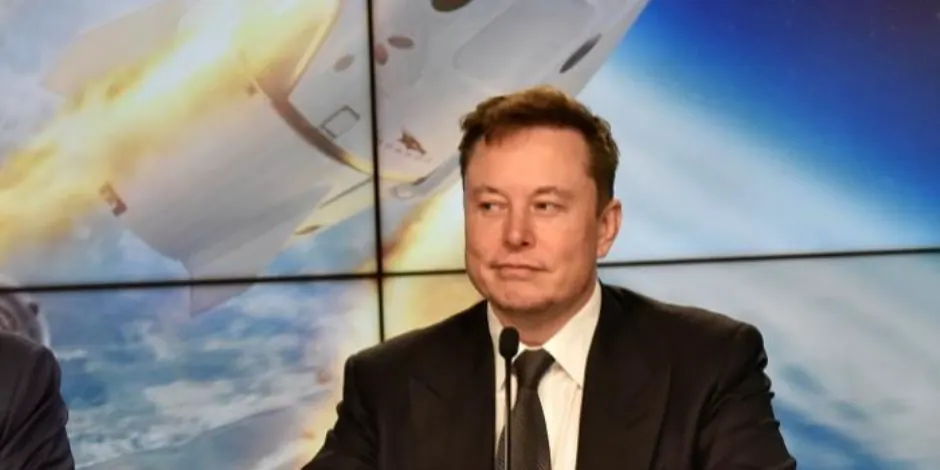
US Defense Secretary Lloyd Austin has chosen billionaire Elon Musk to co-lead the Pentagon's "Meridian" project, an initiative examining the future of warfare and military technology. This project aims to identify gaps in US military capabilities and recommend new technologies and systems for development and deployment. The project is led by the non-profit organization Metri, which will provide recommendations to the Defense Department after a 120-day review.
Musk's involvement in the project has raised questions about potential conflicts of interest, given his business interests in the defense industry. His company, SpaceX, has secured billions of dollars in government and defense contracts. The New York Times reported that Musk's role in advising the Pentagon could influence the development of technologies and systems that his company could benefit from commercially.
The Meridian project is part of a broader effort by the Pentagon to harness the expertise of the private technology sector in shaping the future of warfare. The project will examine a range of areas, including emerging technologies and new operational concepts, to ensure the US military maintains its competitive edge. Other participants in the project include Palmer Luckey, founder of defense technology company Anduril Industries, and former US House Speaker Newt Gingrich.
The Pentagon's increasing focus on artificial intelligence, drones, and autonomous systems is driving its efforts to engage with the private technology sector. The department has announced plans to establish a new military command for autonomous warfare, aimed at accelerating the development and deployment of drones and robotic systems. Musk's involvement in the Meridian project reflects the growing importance of private sector expertise in shaping US military strategy.
The choice of Musk and Luckey to co-lead the Meridian project highlights the Pentagon's desire to tap into the expertise of technology entrepreneurs and companies in reimagining the future of warfare. However, their involvement also raises questions about potential conflicts of interest, given their commercial interests in the defense industry. The project's recommendations will be closely watched for their potential impact on US military strategy and the defense industry.
Musk's return to Washington comes after a period during which he had stepped back from his role in government advisory work. His previous involvement with the Trump administration, including a stint on the President's Council on Efficiency and Effectiveness, ended abruptly in 2017. This new role marks a significant return to the public policy arena for Musk, who has become a prominent figure in the technology and space industries.
The Meridian project's focus on emerging technologies and future warfare reflects the rapidly evolving nature of modern warfare. As the US military seeks to maintain its competitive edge, it is increasingly turning to the private sector for expertise and innovation. The project's recommendations are expected to have a significant impact on US military strategy and the development of new technologies and systems.
Key points
- Elon Musk has been chosen to co-lead the Pentagon's "Meridian" project, examining the future of warfare and military technology.
- Musk's involvement has raised questions about potential conflicts of interest, given his business interests in the defense industry.
- The project aims to identify gaps in US military capabilities and recommend new technologies and systems for development and deployment.