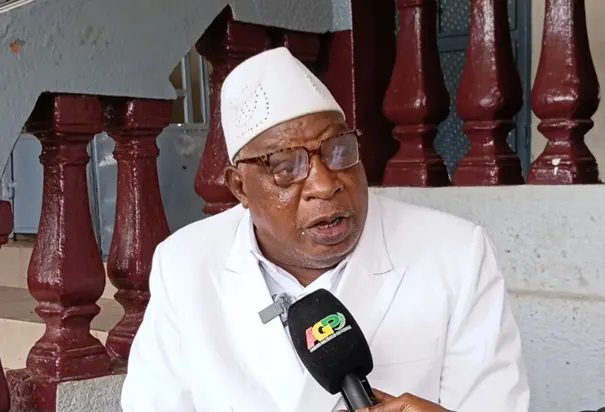
Elhadj Django Cissé, a 74-year-old former president of Kindia's special delegation, has shared his memories of Guinea's independence era. Dressed in white, he pays homage to Guinea's first president, Ahmed Sékou Touré, and the values of the country's founding era. Cissé views the color white as a symbol of the happiness and integrity that the first Guinean leaders sought to achieve. He explains that this color represents the values of the early leaders, who prioritized the nation's well-being.
Cissé highlights key dates in Guinea's independence process, including August 25, September 28, and October 2, 1958. He considers these events as stages of a single historical process that led to Guinea's independence. According to Cissé, August 25, 1958, marked a crucial moment in the confrontation between Guinea and France, preceding the referendum on September 28, which paved the way for independence on October 2.
As a product of the post-independence generation, Cissé expresses his attachment to the educational model and patriotism instilled during that era. He credits this formation for producing capable cadres who occupied important positions in Guinea's administration and public life. Cissé believes that this generation was well-trained, with a strong sense of patriotism and love for the country.
Reflecting on the changes that occurred after April 3, 1984, Cissé encourages younger generations to re-examine Guinea's national history. He advises them to study the country's evolution and understand the achievements and limitations of different societal models. Cissé emphasizes the importance of re-reading the country's history to learn from the past.
While not dismissing the current democratic model, Cissé suggests that certain values, such as education, discipline, and patriotism, should be given more prominence in youth education. He expresses concern about the difficulties faced by young graduates in finding employment, which can hinder their ability to start families and contribute to the country's growth.
Cissé stresses the need to transmit patriotism and national identity to younger generations through education. He cites the example of Foreign Minister Morissanda Kouyaté, a representative of the generation of cadres formed during the early years of the Republic. Cissé highlights the contributions of these early cadres to Guinea's development.
Elhadj Django Cissé's reflections offer valuable insights into Guinea's independence era and its significance in shaping the country's history. His experiences and perspectives serve as a reminder of the importance of understanding and learning from the past. As Guinea continues to evolve, Cissé's thoughts on patriotism, education, and national identity remain relevant.
Key points
- Elhadj Django Cissé emphasizes the importance of transmitting patriotism and national identity to younger generations through education.