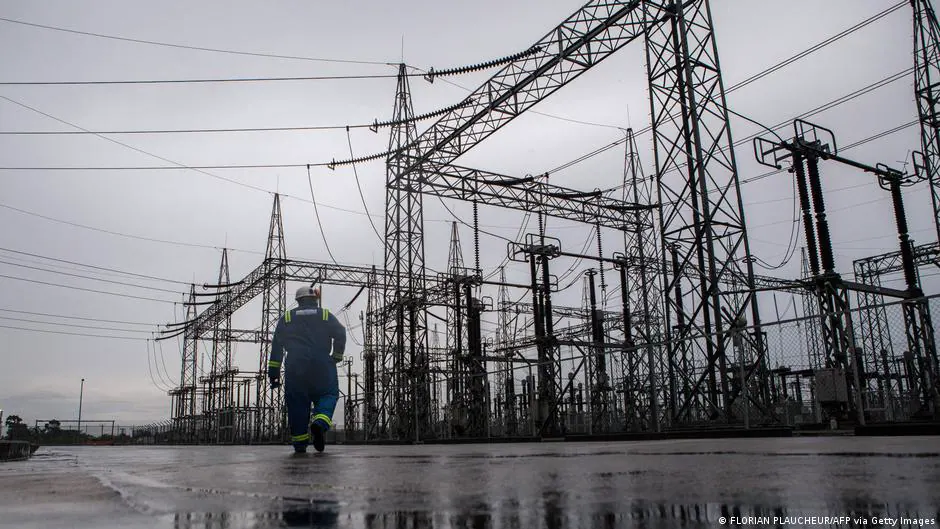
The cost of electricity in Nigeria is expected to increase significantly following the Federal Government's plan to remove the domestic gas subsidy by 2028. According to Dr. Femi Eguaikhide, deputy managing director of RT Briscoe and Chairman of the Auto & Allied Sector of the Lagos Chamber of Commerce and Industry (LCCI), the Band A tariff is projected to exceed N350 per kilowatt-hour by 2029. This is because over 60 per cent of Nigeria's power comes from gas, which is currently sold to power-generating companies (GenCos) at $2.18, compared with a market price of $4-6.
Dr. Eguaikhide noted that the planned removal of the gas subsidy is a consequential energy decision that will have a direct impact on CNG, LNG, and electricity for businesses and end users. He explained that for years, Nigerians have enjoyed CNG at N230-N450 per SCM because the government subsidises domestic gas supply, pipeline tariffs, and infrastructure as an incentive to convert from petrol. However, this subsidy is not sustainable, and its removal will have significant implications for the energy sector.
When the gas subsidy is removed, Dr. Eguaikhide stated that three things will happen. Firstly, CNG will no longer be 70 per cent cheaper than petrol, but rather 20-40 per cent cheaper. This will extend the payback period for a N1.5m conversion kit for a danfo driver from 6 months to 18 months. Secondly, LNG for industry will rise 30-50%, increasing production costs for manufacturers in Ogun, Kano, and Agbara. These changes will affect every business and make EV charging more expensive.
Dr. Eguaikhide stressed that while subsidy removal is necessary, sequencing is critical to avoid an energy crisis worse than that experienced after petrol subsidy removal. He recommended a phased removal from 2026 to 2028 instead of a 2028 cliff. This will allow for a gradual adjustment to the new pricing regime and minimize the impact on businesses and consumers.
To mitigate the effects of the subsidy removal, Dr. Eguaikhide suggested the creation of a Gas Transition Fund from the savings to finance conversion and charging infrastructure. He also recommended a protected discounted gas price for public transport for three years. This will help to cushion the impact of the subsidy removal on the transportation sector and ensure that the benefits of the subsidy removal are shared equitably.
Dr. Eguaikhide added that the removal of the petrol subsidy has led to an increase in transportation costs, and the proceeds have not been used to finance infrastructure and public transportation. He emphasized that for gas, Nigeria must move from subsidy to sustainability. If the savings from the gas subsidy are used to fund pipelines and credit, it will be a win-win situation. However, if the savings are used to fund recurrent expenditure, it will lead to an energy crisis worse than that experienced with petrol.
The planned removal of the gas subsidy is a critical step towards achieving sustainability in the energy sector. However, it requires careful planning and sequencing to avoid an energy crisis. The government's decision to remove the subsidy by 2028 is expected to have far-reaching implications for businesses and consumers. It is essential that the government implements the recommendations of experts like Dr. Eguaikhide to ensure a smooth transition to a sustainable energy regime.
Key points
- The removal of the gas subsidy will lead to an increase in electricity tariffs, with the Band A tariff projected to exceed N350 per kilowatt-hour by 2029.
- The subsidy removal will have a direct impact on CNG, LNG, and electricity for businesses and end users.
- A phased removal of the subsidy from 2026 to 2028 and the creation of a Gas Transition Fund can help mitigate the effects of the subsidy removal.