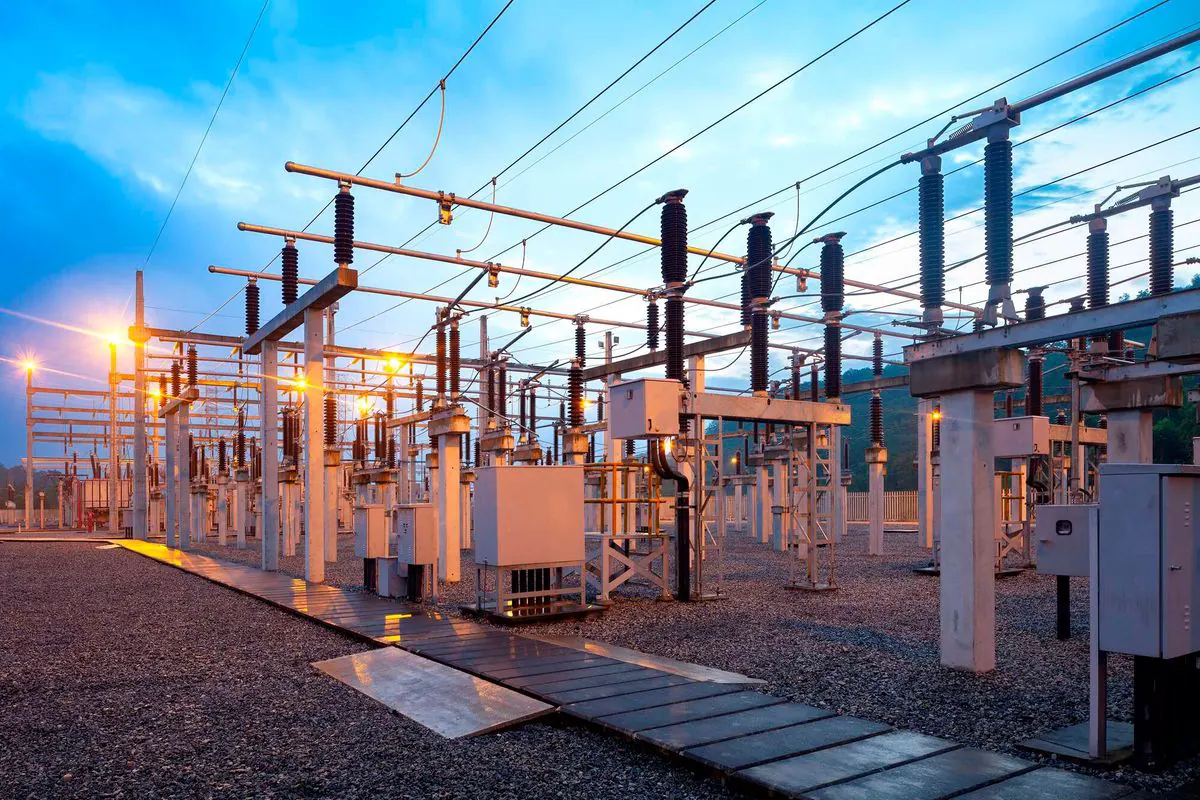
In a significant development, Kenya's electricity curtailment has dropped to the second-lowest level in five years, according to data from the Energy and Petroleum Regulatory Authority (Epra). The volume of deliberately suppressed electricity generation to balance demand and supply on the national grid fell by 39.6 percent to 403.94 Gigawatt-hours (GWh) in the year ended June 2026. This decline is attributed to increased consumption of power during off-peak hours, primarily driven by growing demand at night.
Electricity curtailment, a practice used to balance demand and generation, entails the pre-emptive cut or rejection of power generation by grid operators when output exceeds transmission capacity or local demand. In Kenya, curtailment mainly occurs during off-peak hours, between midnight and 0500 hours, when demand is at its lowest. This practice helps safeguard the stability of the grid and prevent blackouts triggered by an overloaded transmission network. Epra's data shows that the 403.94 GWh curtailed in the year to June 2026 is the second-lowest level recorded in the past five years.
The reduction in curtailment is largely attributed to increased system demand during night-time hours, enabling greater utilization of available generation capacity and consequently reducing the need for curtailment. This growing demand at night is driven by businesses and households consuming more electricity during traditional off-peak hours. As a result, Kenya Power's total electricity sales rose to 12,777 GWh in the period under review, reflecting a 12 percent increase from 11,403 GWh a year earlier.
The decline in enforced reduction in power generation occurred across all consumption bands, with households recording the highest growth in electricity consumption. Household consumption increased by 686.75 GWh or 18.87 percent to 4,327.07 GWh in the year ended June 2026. Commercial and industrial customers also increased their consumption by 299 GWh or five percent to 5,920 GWh, while small commercial consumers grew their consumption by 106 GWh or six percent to 2,024 GWh.
Geothermal power, which accounts for 40.9 percent of the total power supplied to the national grid, is the primary target of curtailment. During curtailment, geothermal plants may operate at reduced capacity, such as a plant with a peak generation of 100 Megawatts (MW) being pushed to operate at 60 MW. This helps reduce strain on the electricity transmission network. However, Kenya's ageing transmission network has experienced collapses due to overloads, triggering countrywide blackouts and underscoring the importance of balancing demand and generation.
The increased demand for electricity has driven growth in Kenya Power's distribution network, although the network is constrained due to increased connections and failure to revamp it. To ensure a balance in supply and demand, curtailment of power generation during low-demand periods remains necessary. The reduction in curtailment signals a surge in electricity demand during traditional off-peak periods, primarily driven by businesses and industries consuming more power at night.
As Kenya's electricity demand continues to grow, the need for efficient transmission and distribution infrastructure becomes increasingly important. The country's transmission network has experienced overloads in the past, resulting in countrywide blackouts. With electricity curtailment at its second-lowest level in five years, Kenya's power sector is adapting to meet growing demand, particularly during off-peak hours.
Key points
- Kenya's electricity curtailment dropped to 403.94 GWh in the year ended June 2026.
- The reduction in curtailment is attributed to increased system demand during night-time hours.
- Household electricity consumption grew by 18.87 percent to 4,327.07 GWh in the year ended June 2026.