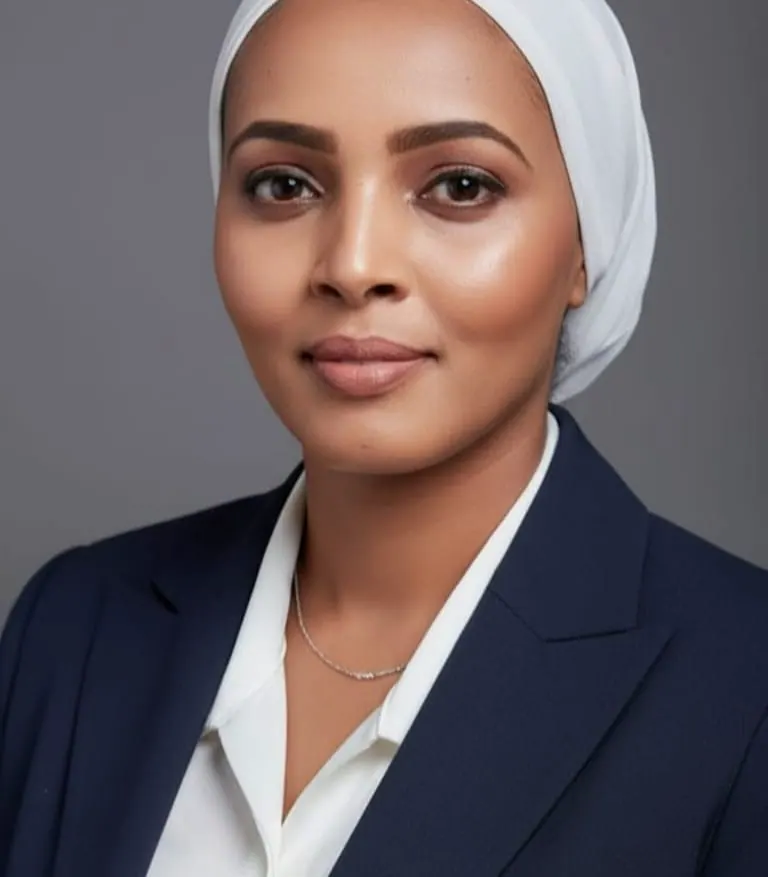
The annual International Day for Older Persons, observed on October 1, shines a light on the struggles of elderly Sudanese who have been forced to flee their homeland due to ongoing conflict. Many of these individuals have found themselves in Egypt, where they face significant challenges in their daily lives. According to Dr. Sahar Mousa, a prominent voice on the issue, these elderly individuals have spent decades building their lives in Sudan, only to be uprooted and forced to start anew in a foreign land.
The health challenges faced by elderly Sudanese refugees in Egypt are multifaceted. Chronic diseases such as diabetes, hypertension, and heart disease are prevalent among this population, and access to regular medical care is often limited. The stress of adapting to a new environment, combined with a lack of resources, has exacerbated these health issues. Furthermore, the psychological toll of displacement and trauma has led to increased instances of post-traumatic stress disorder (PTSD), anxiety, and depression among this population.
The social and cultural challenges faced by elderly Sudanese refugees in Egypt are also significant. Despite the cultural similarities between the two nations, the daily life and customs in Egypt can be overwhelming for many of these individuals. The lack of targeted support programs has left some feeling isolated and marginalized. Economically, many elderly Sudanese have lost their savings and pension benefits, leaving them struggling to make ends meet in a new and unfamiliar job market.
The administrative and legal hurdles faced by elderly Sudanese refugees in Egypt can be daunting. Simple tasks such as obtaining documentation and residency permits can become complex and frustrating experiences. This has left many feeling vulnerable to exploitation and abuse. Dr. Mousa emphasizes that it is essential to provide these individuals with the support and resources they need to navigate these challenges.
To address these challenges, Dr. Mousa and other advocates are calling for a comprehensive approach to supporting elderly Sudanese refugees in Egypt. This includes establishing mobile health clinics and volunteer medical networks to provide primary and mental health care. Additionally, initiatives that promote social interaction and provide emotional support are crucial in addressing the psychological needs of this population.
Other key recommendations include providing vocational training and economic opportunities that are tailored to the skills and abilities of elderly Sudanese refugees. This can help them to regain a sense of purpose and contribute to their new communities. Furthermore, free legal counseling and advocacy services can help to protect these individuals from exploitation and ensure that their rights are respected.
As the refugee crisis continues to unfold, it is essential that the international community prioritizes the needs of elderly Sudanese refugees in Egypt. By providing comprehensive support and resources, we can help to ensure that these individuals are able to live with dignity and respect. Ultimately, the way we treat our elderly is a reflection of our values as a society, and it is crucial that we respond to this crisis with compassion and empathy.
Key points
- Elderly Sudanese refugees in Egypt face significant health, psychological, and economic challenges.
- A comprehensive approach to supporting these individuals is needed, including access to healthcare, social interaction, and economic opportunities.
- The international community must prioritize the needs of elderly Sudanese refugees in Egypt to ensure that they are able to live with dignity and respect.