A recent case in Oshikoto region highlights the dangers faced by elderly Namibians accused of witchcraft. Joshua Shiimi, 87, and his wife Martha Nangombe, 68, were brutally hacked to death at their home in Oniihwa B village on November 3 last year. Their bodies were discovered by a Grade 2 pupil. Shiimi was blind and also stabbed with a spear. The couple had reported that their 19-year-old grandson threatened to kill them over witchcraft accusations, but were ignored.
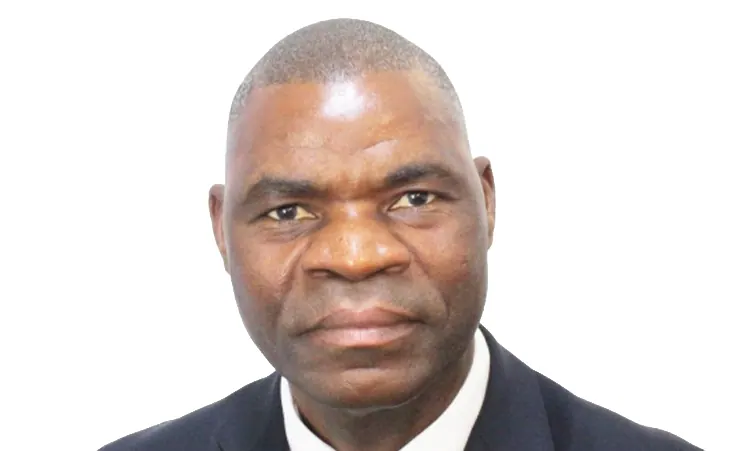
Similarly, in the Kavango West region, two pensioners were hacked to death by their grandson on July 11 last year after he accused them of witchcraft. Advocate Basilius Dyakugha, the ombudsman, says this case is the latest his office has recorded over the years. He notes that the elderly and poor are more likely to be targeted by witchcraft claims because they are vulnerable and may not be able to protect or defend themselves.
According to the Office of the Ombudsman, at least nine elderly people were killed in Namibia between 2006 and 2025 over claims that they practised witchcraft. Some cases include a pensioner in the Kavango West region who reportedly took his life in 2019 due to the shame of being labelled a witch. Dyakugha emphasizes that the human rights of all people must be protected, including those being accused.
Dyakugha warns that witchcraft must not be mistaken for traditional healing, which is allowed by law. However, he cautions that traditional healers must not tell people they are sick because of witchcraft allegations, as this can lead to serious consequences. He stresses that it is a criminal offence to call someone a witch, and those doing so will face fines or imprisonment.
The Witchcraft Suppression Proclamation Act criminalises those accusing others of witchcraft, naming them a witch or wizard, or pretending to use supernatural powers and employing witch doctors to identify culprits. Those found guilty will be fined N$5 000 or face five years’ imprisonment. Dyakugha urges people accused of witchcraft to report the matter to the police.
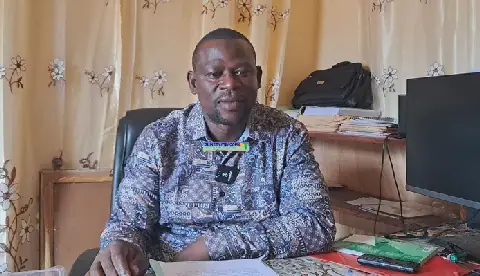
Deputy director of investigations in the Office of the Ombudsman Timothy Shangadi notes that people accused of such practices face rejection from their families, losing their homes and suffering physical and emotional abuse. He emphasizes that police officers should protect those accused instead of treating the accusations as facts. Shangadi stresses that an accusation is not proof and that elderly people are being killed unfairly.
The ombudsman and Shangadi are calling for education on human rights and ethical policing to address these issues. They stress that it is essential to protect vulnerable elderly people from violence, humiliation, and death. The public needs to be educated on the dangers of witchcraft accusations and the importance of respecting human rights.
Key points
- Nine elderly people killed in 19 years over witchcraft claims in Namibia
- Witchcraft accusations damage the reputation of those accused and put vulnerable elderly people at risk
- The Witchcraft Suppression Proclamation Act criminalises those accusing others of witchcraft, with fines or imprisonment for those found guilty