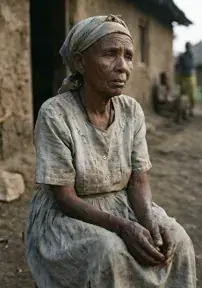
A recent qualitative study published in Health Sciences and Diseases has shed light on the lived experiences and perceptions of aging and quality of life among elderly people in Buta, Cameroon. The study, conducted by Masikini Ewale Faustin and colleagues, employed a phenomenological approach to gather data from 20 participants aged 60 and above. The findings highlight the complexities of aging in a low-income region, where older adults confront various socioeconomic and health-related challenges. The study's results have significant implications for the development of policies and interventions aimed at improving the well-being of elderly populations in similar contexts.
The study identified three primary themes that affect the experiences of older adults in Buta: economic precariousness, social isolation, and limited access to care. Many participants reported struggling with financial instability, largely due to the lack of pensions or other forms of financial support. This economic vulnerability is further exacerbated by the migration of younger generations, leading to social isolation and a sense of disconnection among older adults. The study's findings underscore the need for targeted interventions to address these challenges and promote healthy aging in Buta and similar settings.
The study's participants also highlighted the difficulties they face in accessing care, citing high costs and staff shortages as significant barriers. These challenges are compounded by the lack of age-appropriate care services, leaving older adults with limited options for managing their health and well-being. Despite these adversities, some participants demonstrated resilience through spirituality, community support, and acceptance of aging, which contributed to their overall well-being. The study's findings emphasize the importance of community-based initiatives and social support networks in promoting healthy aging.
The study's results are consistent with previous research on aging in low-income regions. For example, a report by the National Institute of Statistics in the Democratic Republic of Congo found that older adults in the country face significant challenges in terms of living conditions and access to care. Similarly, a study published in the African Journal of Gerontology found that social perceptions of aging and well-being among older adults in Kinshasa are influenced by a range of socioeconomic and cultural factors.
The study's findings have important implications for policy and practice. The authors suggest that active aging programs, age-appropriate care services, and enhanced community support could help improve the quality of life and reduce vulnerabilities among older adults in Buta. These recommendations are in line with the World Health Organization's (WHO) call for integrated care for older people, which emphasizes the need for community-level interventions that address the complex needs of aging populations.
The study's methodology, which employed a qualitative phenomenological approach, provides a nuanced understanding of the experiences of older adults in Buta. The use of in-depth interviews allowed participants to share their stories and perspectives in detail, providing rich insights into the challenges and opportunities associated with aging in this context. The study's findings highlight the importance of qualitative research in understanding the complexities of aging and developing effective interventions.
The study's authors note that their findings are subject to certain limitations, including the small sample size and the focus on a single urban setting. However, the study's results have significant implications for the development of policies and interventions aimed at improving the well-being of elderly populations in similar contexts. As the global population ages, it is essential to prioritize the needs of older adults, particularly in low-income regions where they often face significant challenges.
Key points
- The study highlights the need for targeted interventions to address the challenges faced by older adults in Buta, including economic precariousness, social isolation, and limited access to care.