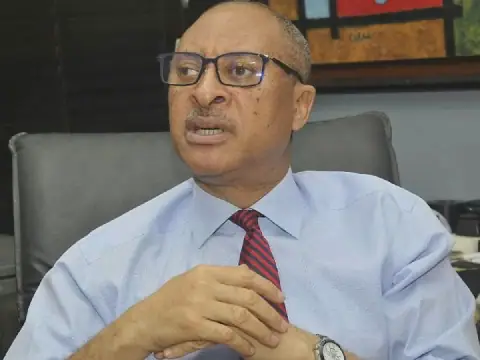
A recent video featuring Kaduna-based public commentator Mahdi Shehu has shed light on the possible reasons behind the detention of former Kaduna Governor Mallam Nasir El-Rufai. According to Shehu, El-Rufai's troubles may stem from a statement made during the 2023 election campaign, in which he claimed that the North had no genuine elders beyond himself and the elected governors. This bold dismissal of traditional power brokers may have contributed to his current predicament.
Shehu further alleged that an influential northern elder with access to President Bola Ahmed Tinubu could intervene on El-Rufai's behalf but has refused to do so due to his supposedly unacceptable character. An octogenarian northern elder reportedly told Shehu that El-Rufai had revoked a plot of land he owned in Kaduna for over 25 years without following due process. These allegations require verification, but they raise questions about the meaning of eldership in Northern Nigeria.
The suggestion that influential northern elders are deliberately allowing El-Rufai to remain in detention because he offended them raises concerns about the role of elders in promoting unity and justice. An elder should not respond to arrogance with greater arrogance, but rather demonstrate patience, reconciliation, and restraint. In traditional African settings, elders are revered for preserving unity, mediating disputes, and protecting collective interests, not just for their age or wealth.
El-Rufai is not above the law, and allegations of corruption, abuse of office, or unlawful interception of communications should be investigated. If credible evidence exists, he should be prosecuted before a competent court. However, detention should not become punishment before trial. El-Rufai has faced investigations and allegations involving the EFCC, ICPC, and DSS, including claims of financial impropriety and unlawful interception of communications.
Northern elders do not have to declare El-Rufai innocent, but they should demand that he be treated humanely, granted access to his lawyers and family, and formally confronted with evidence against him. The rule of law is most meaningful when it protects a controversial or unpopular person. Defending El-Rufai's constitutional rights does not mean endorsing his policies, but rather defending a legal order in which no Nigerian can be imprisoned indefinitely for offending powerful individuals.
El-Rufai's detention also reinforces concerns that federal security and anti-corruption agencies are being deployed selectively against prominent northern opposition politicians. Former Attorney-General Abubakar Malami has faced similar arrests, detention, and charges. These cases may have legitimate foundations, but their timing and handling have created anxiety within opposition circles.
The North should demand consistent standards for everyone, irrespective of region, party affiliation, or relationship with the President. El-Rufai's uncompromising character and fearlessness in confronting powerful interests are increasingly scarce qualities in Nigerian politics. While his language can be harsh and impatient, his boldness in challenging political godfatherism and mobilizing citizens is a valuable asset in promoting democratic principles.
Key points
- El-Rufai's detention sparks debate on northern eldership and the rule of law in Nigeria.
- The detention raises concerns about selective deployment of federal security and anti-corruption agencies against opposition politicians.
- The North should demand consistent standards for everyone, irrespective of region or party affiliation.