The United Nations has issued a warning about the potential health impacts of El Niño, a natural climate phenomenon that is expected to have far-reaching consequences for global health. According to the World Health Organization (WHO), El Niño could lead to an increased risk of heat-related illnesses, as well as poor air quality and an increased risk of diseases such as malaria and cholera. The WHO has expressed concerns about the potential for El Niño to exacerbate existing health challenges, particularly in areas with fragile health systems.
The current El Niño event, which is expected to be one of the strongest on record, has already led to extreme weather conditions around the world. The WHO has called on governments and health authorities to take proactive steps to prepare for the potential health impacts of El Niño, including strengthening disease surveillance, ensuring continuity of care, and stockpiling medical supplies. The organization has also emphasized the need for increased investment in health infrastructure, particularly in areas that are most vulnerable to the impacts of El Niño.
The WHO has identified several key areas of concern, including the potential for El Niño to increase the spread of mosquito-borne diseases such as malaria, dengue fever, and chikungunya. The organization has also expressed concerns about the potential for El Niño to lead to an increased risk of malnutrition and cholera, particularly in areas with poor sanitation and hygiene. In addition, the WHO has highlighted the need for increased preparedness and response measures to address the potential health impacts of El Niño.
According to Teresa Zakaria, a WHO official, the health impacts of El Niño are predictable, and there is a window of opportunity to take action before they become a crisis. Zakaria has emphasized the need for governments, partners, and communities to invest in preparedness and response measures, including strengthening health systems, improving disease surveillance, and ensuring continuity of care. The WHO has also called for increased support for countries that are most vulnerable to the impacts of El Niño.
The current El Niño event is expected to have significant impacts on global health, particularly in areas with fragile health systems. The WHO has expressed concerns about the potential for El Niño to exacerbate existing health challenges, particularly in areas with limited access to healthcare, food insecurity, and displacement. In addition, the WHO has highlighted the need for increased preparedness and response measures to address the potential health impacts of El Niño, including the risk of heat-related illnesses, poor air quality, and increased risk of diseases.
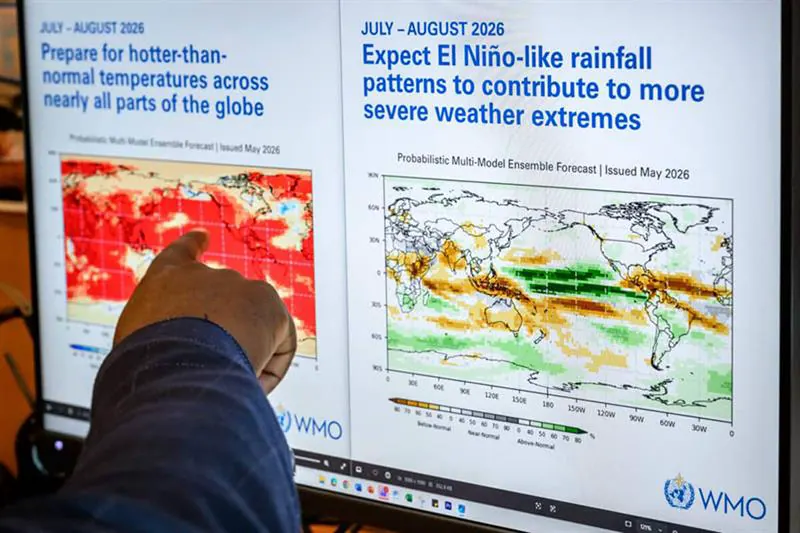
The World Meteorological Organization (WMO) has warned that the current El Niño event could be the strongest on record, with significant impacts on global weather patterns. The WMO has emphasized the need for increased preparedness and response measures to address the potential impacts of El Niño, including the risk of extreme weather events, drought, and flooding. The organization has also highlighted the need for increased support for countries that are most vulnerable to the impacts of El Niño.
The UN has emphasized the need for increased investment in health infrastructure, particularly in areas that are most vulnerable to the impacts of El Niño. The organization has also called for increased support for countries that are most vulnerable to the impacts of El Niño, including those with fragile health systems, limited access to healthcare, and displacement. KEY_POINT: El Niño poses a significant threat to global health, with potential impacts including heat-related illnesses, poor air quality, and increased risk of diseases. KEY_POINT: The WHO has called on governments and health authorities to take proactive steps to prepare for the potential health impacts of El Niño. KEY_POINT: The current El Niño event is expected to have significant impacts on global health, particularly in areas with fragile health systems.